There's something magical about driving along Hokkaido's western coastline as the sun sets over the Sea of Japan. The crisp ocean air, the cry of seagulls, and the promise of the day's fresh catch waiting at roadside stations along the way. This 300-kilometer journey from Rumoi in the south to Wakkanai at Japan's northernmost tip takes you through nine exceptional michi-no-eki, each offering a unique window into Hokkaido's rich seafood culture.
Over three unforgettable days, I traced the rugged western coast from south to north, stopping at roadside stations that have become legendary among Japanese food travelers. What I discovered wasn't just exceptional seafood—it was a way of life preserved by coastal communities where fishing traditions stretch back centuries.
The Route: Hokkaido's Western Coast
Follow our journey along Hokkaido's stunning western coastline facing the Sea of Japan, with stops at exceptional michi-no-eki that showcase the region's legendary seafood culture.
Why Hokkaido's Western Coastal Route?
Hokkaido's western coast along the Sea of Japan is legendary among seafood lovers, and for good reason. The cold, nutrient-rich waters of the Sea of Japan create perfect conditions for some of Japan's most prized catches—from sweet sea urchin (uni) to succulent king crab, delicate scallops to rich salmon roe (ikura). This coastline, stretching from Rumoi in the south to Wakkanai in the far north, has been a fishing hub for centuries.
But here's what makes this route truly special: Unlike Tokyo's Tsukiji or Osaka's Kuromon markets, these coastal michi-no-eki offer something money usually can't buy in tourist districts—ultra-fresh seafood at prices that reflect proximity to the source, not tourist markups. You're buying directly from fishing cooperatives and local vendors whose families have worked these waters for generations.
The difference is palpable. At many stations, you'll see fishing boats unloading their catch just meters from the restaurant kitchen. Some stations even have their own processing facilities where you can watch craftspeople preparing delicacies that will be on your plate within hours—sometimes minutes—of being hauled from the sea.
What makes Hokkaido's western coast exceptional:
- Cold water, pristine conditions: The Sea of Japan's cold currents produce seafood with exceptional flavor and texture
- Traditional fishing methods: Many cooperatives still use sustainable practices passed down through generations
- Seasonal variety: Different catches peak throughout the year, ensuring there's always something special
- Direct-to-consumer: Bypass middlemen and enjoy wholesale prices with retail convenience
- Less touristy: Unlike the eastern coast near Sapporo, the western route offers authentic local experiences
The Nine Stations: Your Complete Coastal Route
This journey is best experienced as a progressive exploration from south to north, with each station offering its own character and specialties. Here's your complete roadmap:
Southern Section (Rumoi to Obira)
The journey begins at Michi-no-Eki Rumoi, a vibrant port city station that serves as the gateway to the northern coast. From here, it's a scenic 30-minute drive north to Obira Nishin Banya, where the herring fishing heritage comes alive.
Mid-Coast Section (Tomamae to Haboro)
Continuing north, you'll pass through Kaze W Tomamae, a unique station themed around wind energy—fitting for this breezy coastline. The station offers excellent views and local seafood preparations. Twenty minutes further brings you to Hot Haboro, famous for combining hot spring facilities with fresh seafood markets—perfect for a lunch break and afternoon soak.
Northern Section (Shosanbetsu to Enbetsu)
As you venture further north, Romance Road Shosanbetsu offers spectacular sunset views and is particularly popular with couples (hence the name). From here, it's a comfortable drive to Enbetsu Fujimi, which translates to "Fuji View"—on exceptionally clear days, you might catch a glimpse of Mt. Rishiri across the water.
Far North (Teshio to Wakkanai)
The northern stretch takes you through Teshio, a quieter station perfect for those seeking authentic local experiences away from tourist crowds. Your penultimate stop is Sarufutsu Park, one of Japan's northernmost michi-no-eki, offering dramatic coastal landscapes and exceptional scallops. Finally, cap your journey at Michi-no-Eki Wakkanai, Japan's northernmost roadside station, where you can literally stand at the edge of the country while enjoying fresh uni and king crab.
While we'll focus on four standout stations in detail, each of these nine offers unique rewards for curious travelers willing to explore.
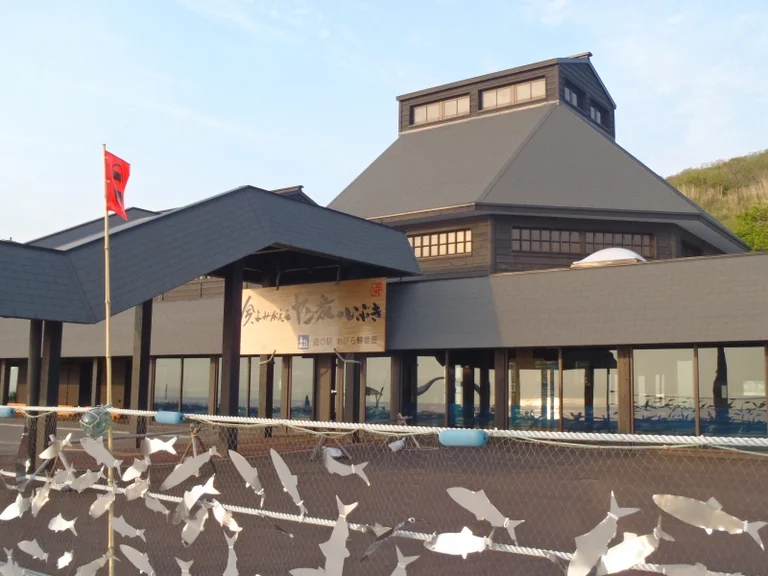
Obira Nishin Banya
Odaira, Rumoi District, Hokkaido
Discover the Legacy of Japan’s Nisshin Heritage
The Ultimate Seafood Experience: What to Try
During my journey, I made it my mission to sample the signature dishes at each station. Here's what you absolutely cannot miss:
Uni (Sea Urchin): The crown jewel of Hokkaido seafood. Peak season runs June through August, when the uni is at its sweetest and creamiest. At the best stations, they serve it the traditional way: piled high on rice in a lacquered bowl, with nothing but a touch of soy sauce and wasabi. The texture should be creamy, almost custard-like, with a subtle ocean sweetness that has no trace of bitterness.
Ikura Don (Salmon Roe Bowl): September and October bring the salmon run, and with it, the most spectacular ikura you'll ever taste. Fresh ikura should "pop" in your mouth with a burst of rich, slightly sweet flavor. Many stations cure it right on-site using family recipes—some add sake, others use a touch of dashi. Each has its own character.
Kaisen Don (Mixed Seafood Bowl): Can't decide? The kaisen don is your answer. A generous heap of today's catch served over perfectly seasoned rice. What makes the coastal station versions special is the mix changes daily based on what the boats brought in that morning. I've had versions featuring raw scallops so sweet they tasted like candy, octopus with a satisfying chew, and fatty tuna that melted on my tongue.
Live Scallops: Several stations have live tanks where you can pick your own scallops and have them prepared on the spot. Grilled in their shells with a pat of butter and a sprinkle of soy sauce, they're a revelation—sweet, tender, with a slight smokiness from the grill.
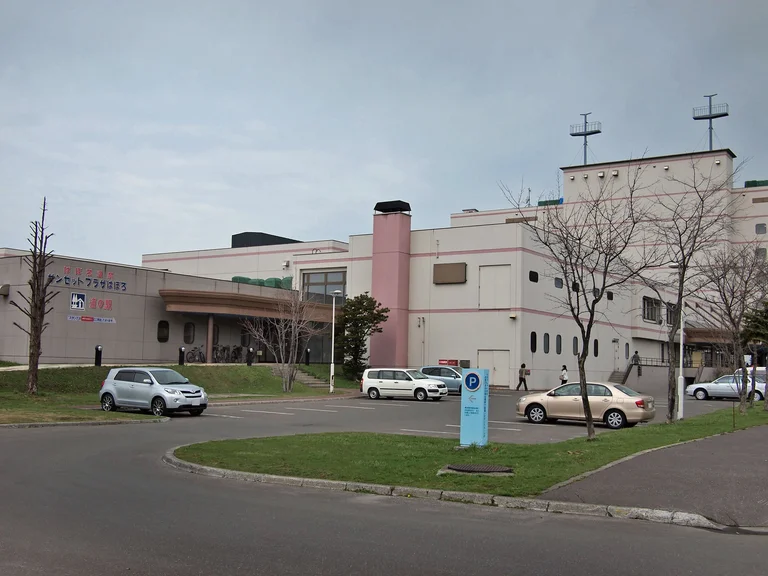
Hot Haboro
29 Kita 3-jo 1-chome, Haboro-cho, Tomamae-gun (along National Route 232)
Discover the Natural Beauty and Coastal Delights of Hokkaido’s Hidden Gem
Best Time to Visit
Timing is everything on this route. Each season brings different treasures from the sea, and the weather dramatically affects both the driving experience and what's available.
Summer (June-August) - Peak Season
This is when Hokkaido's western coast truly shines. The weather is mild—think comfortable 18-22°C (64-72°F) during the day—roads are completely clear, and the variety of seafood is at its absolute peak. The Sea of Japan stays relatively calm, perfect for smaller fishing boats to bring in daily catches.
June kicks off uni season, and by July, every coastal station worth its salt is serving fresh sea urchin. The best stations will post signs showing when that morning's catch came in. I learned to arrive around 10am—early enough to beat lunch crowds but late enough that the morning's catch had been processed.
Beyond uni, summer brings:
- Fresh scallops from Saroma Lake
- Surf clams (hokkigai) with their sweet, crunchy texture
- Early salmon starting in August
- Octopus (tako) at its most tender
Early Autumn (September-October) - Salmon Season
If you're a salmon lover, plan your trip for early fall. This is when the salmon return to spawn, and the ikura (salmon roe) is at its peak. The combination of crimson autumn foliage against the deep blue sea and golden salmon roe glistening in your bowl is pure visual poetry.
The weather is still pleasant—cool but comfortable—and you'll find the stations less crowded than peak summer. Many local chefs consider this the "true" season for Hokkaido coastal cuisine.
Late Autumn/Winter (November-March) - For Experienced Travelers Only
Unless you're an experienced winter driver familiar with snow and ice, I strongly recommend avoiding this period. Heavy snow can make coastal roads treacherous, and many smaller stations operate on reduced hours or close entirely.
That said, if you're confident with winter driving, this season brings:
- King crab (tarabagani) and snow crab (zuwaigani)
- Oysters at their plumpest and sweetest
- Virtually no tourists—you'll have these places to yourself
Spring (April-May) - Shoulder Season
As the snow melts and roads clear, spring brings its own delights: fresh herring, baby squid, and the anticipation of the coming uni season. Prices can be lower, and you'll encounter more locals than tourists.
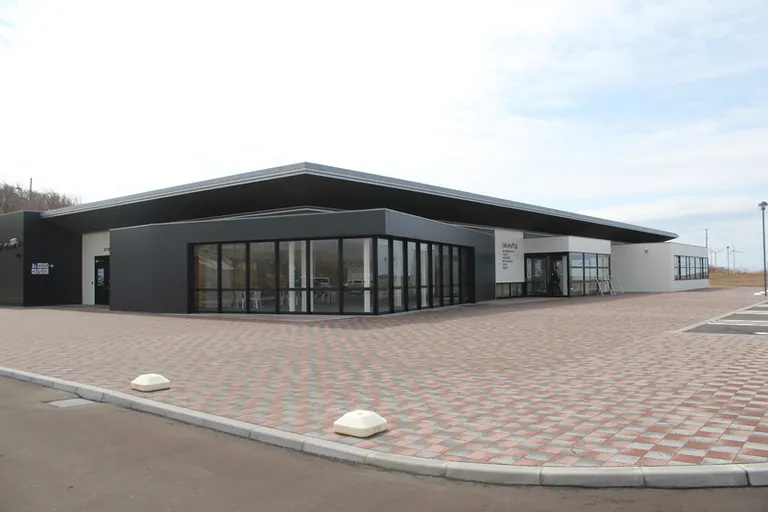
Enbetsu Fujimi
Hokkaido, Teshio District, Embetsu Town, Fujimi 46-1
Where the Northern Sky Meets the Sea: Discover Enbetsu Fujimi Roadside Station
The Journey Experience: What to Expect
Driving along Hokkaido's western coast is an experience in itself. Route 232 and Route 231 hug the coastline, offering dramatic ocean views with the Sea of Japan stretching endlessly to your left as you drive north. The landscape shifts from fishing villages nestled in small bays to dramatic cliffs where waves crash against ancient rocks.
What makes this drive special:
Unlike the heavily trafficked eastern routes near Sapporo, the western coast feels wonderfully remote. You'll share the road mostly with local fishermen and the occasional tour bus. Many stretches go 20-30 minutes between towns, giving you that rare sense of solitude while still being on good, well-maintained roads.
The sunsets here are legendary. If you time your drive for late afternoon, you'll witness the sun descending into the Sea of Japan, painting the sky in shades of orange, pink, and purple that reflect off the water. Many locals specifically plan their drives for this golden hour.
Road conditions and facilities:
The roads are excellent—well-maintained two-lane highways with regular rest stops and michi-no-eki every 40-60km. Cell phone coverage is generally good along the coast, though it can become spotty in mountainous inland sections.
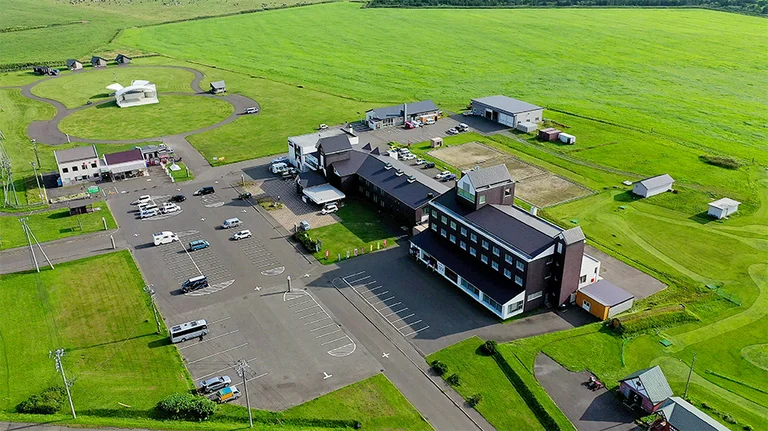
Sarufutsu Park
241-7 Aza Hama-Onishibetsu, Sarufutsu Village, Soya District, Hokkaido
Discover Japan’s Northernmost Gateway to Nature and Flavor
Insider Tips: Getting the Most from Your Journey
After three days and countless meals along this route, here are the hard-won insights that will transform your trip:
Arrive Early, But Not Too Early
Most restaurants at these stations open around 9-9:30am. The sweet spot? Arrive between 10-10:30am. By then, the morning catch has been processed and the day's specials are ready, but you'll beat the lunch rush that starts around 11:30am. On weekends, stations can sell out of popular items by 1pm.
Cash is King
While larger stations accept cards, many smaller vendors and direct-sale shops are cash-only. I learned this the hard way at Sarufutsu when I wanted to buy fresh scallops directly from a fisherman's stall. Bring plenty of yen, and remember that ATMs can be scarce between stations.
Learn the Key Phrases
A little Japanese goes a long way:
- "Kyō no osusume wa nan desu ka?" (What's today's recommendation?)
- "Kore wa asa toreta desu ka?" (Was this caught this morning?)
- "Omakase de onegaishimasu" (I'll leave it to you/chef's choice)
Check for Local Festivals
Coastal towns often hold seafood festivals in summer and early autumn. The Sarufutsu Scallop Festival in July and the Rausu Kelp Festival in August are particularly worth timing your trip around.
Storage Strategy
If you're buying fresh or processed seafood to take home:
- Most stations sell foam coolers and ice packs
- Many will vacuum-pack and freeze items for you
- Plan to visit stations you want to buy from later in your trip, or have hotel refrigeration arranged
Don't Skip the Produce
While seafood is the star, these stations often have incredible local produce too—sweet corn in summer, kabocha squash in fall, and unique Hokkaido vegetables you won't find elsewhere. The potato croquettes at several stations are legendary.
Talk to the Vendors
The people working at these stations are often the fishermen's families or the fishermen themselves. They love talking about their catch and will steer you toward the best items of the day. Some of my most memorable moments were conversations (mostly in broken Japanese and enthusiastic gestures) about fishing techniques and family recipes.
Download Offline Maps
Mobile coverage can be spotty along remote coastal stretches. Google Maps allows you to download offline regions—do this before you leave your hotel. Also consider renting a pocket WiFi or getting a local SIM card with good rural coverage.
Planning Your Route: Practical Considerations
This journey works best as a 2-3 day trip, allowing time to truly savor meals, explore local shops, browse the catches, and take in the dramatic coastal scenery without rushing.
Route Options:
North to South (Recommended): Start from Wakkanai in the far north and work your way down. This puts the prevailing weather and winds at your back, and if you're traveling in early autumn, you'll follow the salmon run southward.
South to North: Start from Hakodate or the Oshima Peninsula and head north. This approach works well if you're flying into New Chitose Airport and want to maximize time before heading to Sapporo or other destinations.
Accommodation Strategy:
Consider staying overnight in:
- Wakkanai: The gateway to the north, with good hotel options
- Esashi or Setana: Mid-route towns with traditional ryokan options
- Hakodate: If starting from the south, excellent hotel and onsen options
Many local ryokan offer seafood kaiseki dinners using ingredients from nearby michi-no-eki—a perfect way to end a day of coastal exploring.
Transportation:
Rental car is essential—public transportation along this route is minimal. Book in advance during summer peak season. Most major rental agencies have GPS systems with English interfaces, though I recommend having offline maps as backup.
Estimated Driving Times:
- Between major stations: 45-90 minutes
- Total route if driven straight: 5-6 hours
- Recommended with stops: 2-3 days
Budget Considerations:
This route is remarkably affordable compared to dining in major cities:
- Deluxe uni don: ¥2,500-3,500
- Kaisen don: ¥1,500-2,500
- Fresh scallops (direct purchase): ¥500-800 per pound
- Accommodation: ¥8,000-15,000 per night for mid-range options
For the quality of seafood, these prices are extraordinary value.
Complete Station Directory: All 9 Stops
Here's your complete directory of all 9 michi-no-eki along this coastal route, ordered from south to north. Click any station to explore its full guide.
Rumoi
2-114 Funaba-cho, Rumoi City (along National Route 231)
Discover the Heart of Hokkaido’s North at Rumoi Roadside Station
Obira Nishin Banya
Odaira, Rumoi District, Hokkaido
Discover the Legacy of Japan’s Nisshin Heritage
Kaze W Tomamae
119-1 Aza Tomamae, Tomamae-cho, Tomamae-gun (along National Route 232)
Where Nature, Wind, and Sea Unite in Perfect Harmony
Hot Haboro
29 Kita 3-jo 1-chome, Haboro-cho, Tomamae-gun (along National Route 232)
Discover the Natural Beauty and Coastal Delights of Hokkaido’s Hidden Gem
Romance Road Shosanbetsu
153-1 Toyomisaki, Shosanbetsu Village, Tomamae District (along National Route 232)
Discover the Stars, Sea, and Soul of Hokkaido’s Wild Coast
Enbetsu Fujimi
Hokkaido, Teshio District, Embetsu Town, Fujimi 46-1
Where the Northern Sky Meets the Sea: Discover Enbetsu Fujimi Roadside Station
Teshio
4-7227-2 Shinkaitsuu, Teshio-cho, Teshio-gun (along National Route 232)
Savor the Flavors of Hokkaido’s Coastal Heartland
Sarufutsu Park
241-7 Aza Hama-Onishibetsu, Sarufutsu Village, Soya District, Hokkaido
Discover Japan’s Northernmost Gateway to Nature and Flavor
Wakkanai
2-chome Kaiun, Wakkanai City
Discover Japan’s Northernmost Gateway
Featured Stations: In-Depth Highlights
Of the 9 stations on this route, we've highlighted 4 exceptional stops that truly embody the region's unique character. Each offers unique experiences worth making time for.
Obira Nishin Banya
Odaira, Rumoi District, Hokkaido
Discover the Legacy of Japan’s Nisshin Heritage
Hot Haboro
29 Kita 3-jo 1-chome, Haboro-cho, Tomamae-gun (along National Route 232)
Discover the Natural Beauty and Coastal Delights of Hokkaido’s Hidden Gem
Enbetsu Fujimi
Hokkaido, Teshio District, Embetsu Town, Fujimi 46-1
Where the Northern Sky Meets the Sea: Discover Enbetsu Fujimi Roadside Station
Sarufutsu Park
241-7 Aza Hama-Onishibetsu, Sarufutsu Village, Soya District, Hokkaido
Discover Japan’s Northernmost Gateway to Nature and Flavor
Jessica Muller
European travel writer based in Japan for the past four years. Explores rural communities and regional culture across the country, bringing authentic stories of local life to Western readers.