
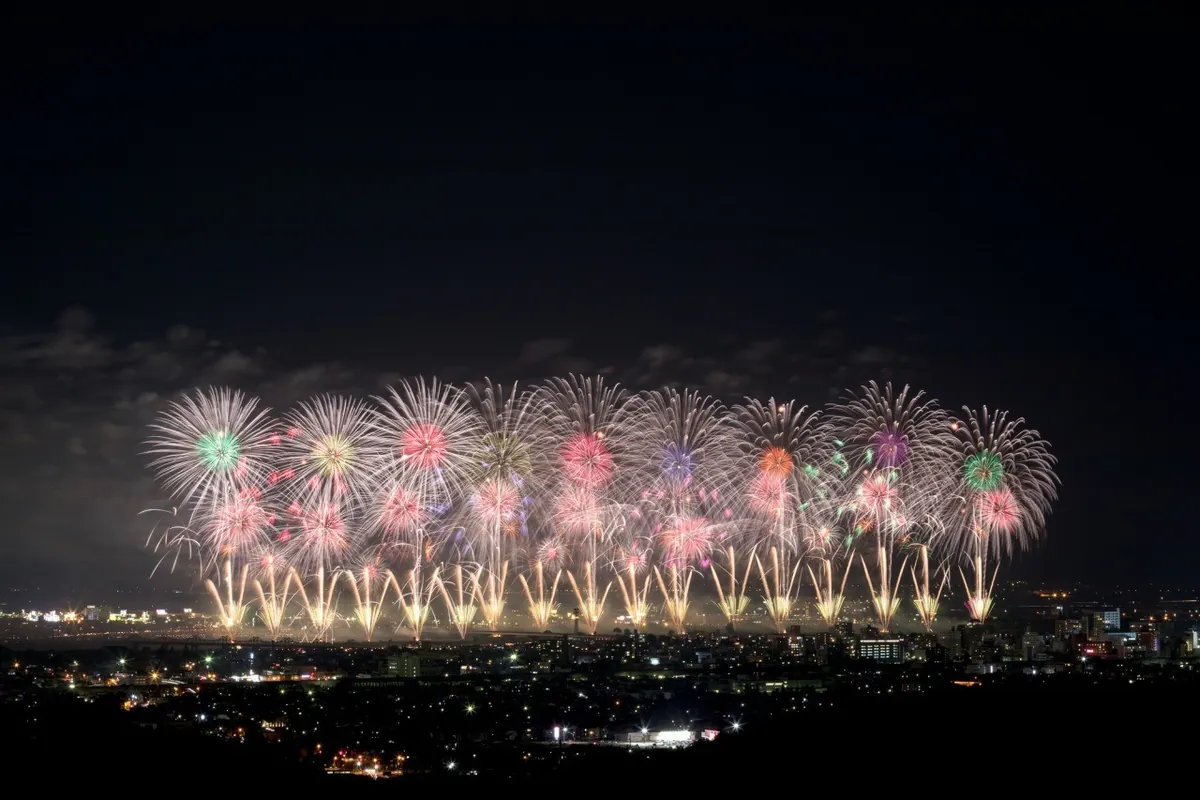
There's something about summer in Japan that lives in the pause between daylight and darkness. The air hangs thick and warm, cicadas crescendo in waves, and as twilight deepens, entire communities gather along riverbanks and open fields, eyes turned skyward. This is hanabi season—Japan's summer fireworks tradition—and across the country from Hokkaido to Tokyo, roadside stations transform into vibrant gathering points where travelers and locals alike experience the magic of summer nights painted in light. The journey through Japan's fireworks festivals reveals not just spectacular pyrotechnics, but the deep cultural threads that bind communities through celebration, remembrance, and shared wonder.
Japan's Summer Fireworks Journey
Follow the hanabi season from northern Hokkaido to Tokyo, discovering roadside stations at the heart of Japan's most spectacular summer festivals
These aren't merely rest stops between destinations. During the summer months of July and August, roadside stations across Japan become windows into regional festival culture, each one connected to local fireworks traditions spanning decades or even centuries. Some sit near the grounds of Japan's most prestigious competitions, where master pyrotechnicians compete for national glory. Others anchor memorial festivals born from tragedy and renewal. Together, they offer travelers an authentic road trip through rural Japan, where the journey between fireworks festivals becomes as meaningful as the destination.
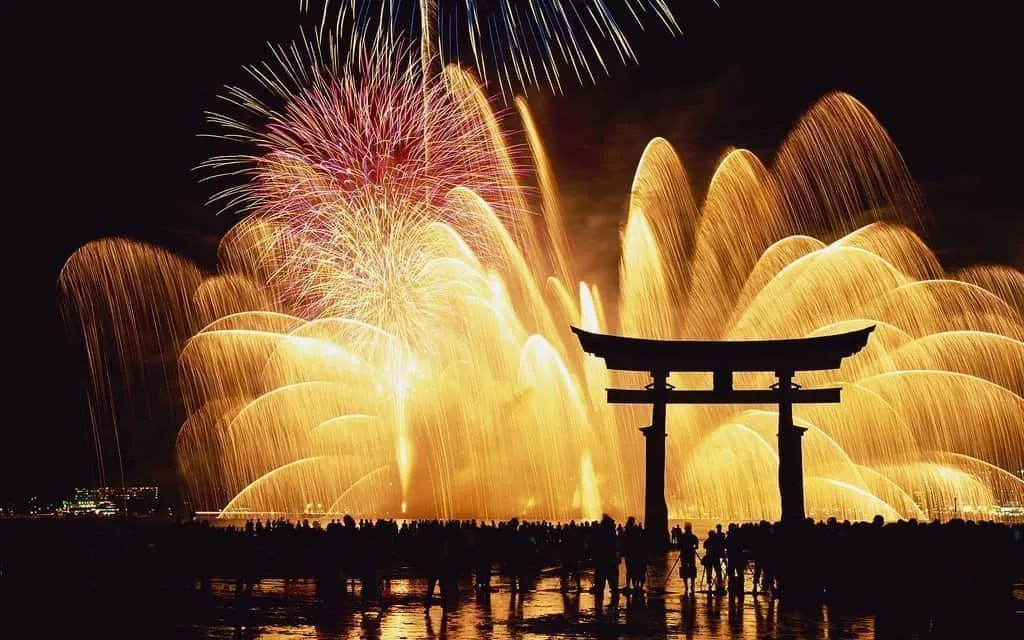
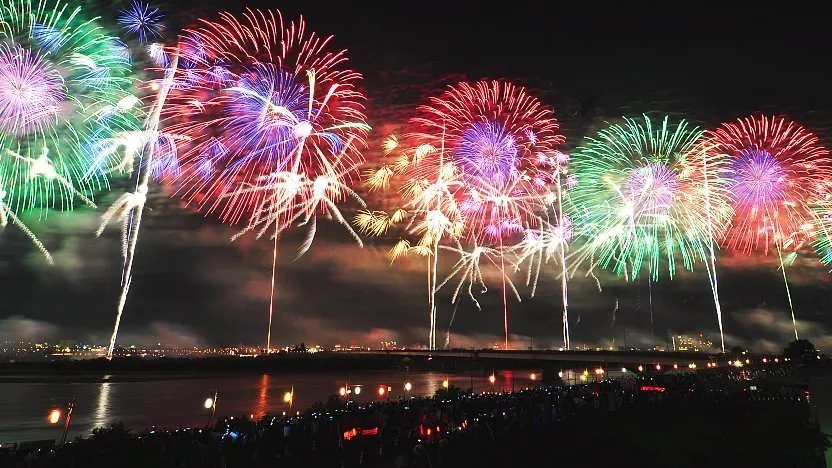
Traditional hanabi fireworks illuminating summer night sky in Japan
Northern Lights: Hokkaido's Festival Spirit
The hanabi season begins in Japan's northernmost reaches, where Hokkaido's brief but brilliant summer erupts in celebration. By early July, the island shakes off the last memories of snow, and communities across the region organize festivals that compress months of anticipation into single explosive nights.
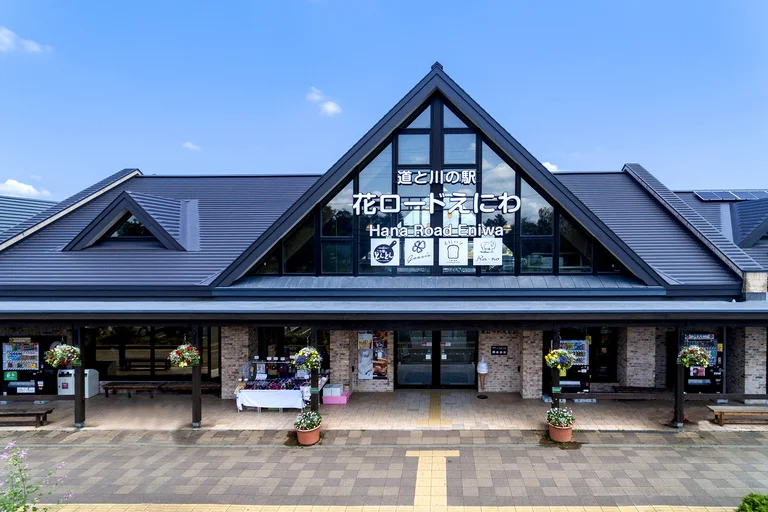
Hana Road Eniwa
817-18 Minami-Shimamatsu, Eniwa-shi (along National Route 36)
Discover the Heart of Hokkaido’s Natural and Culinary Spirit
Hana Road Eniwa, perched along National Route 36 near the salmon-rich Eniwa River, embodies this northern festival energy. The roadside station sits just twenty-six kilometers from Sapporo's Makomanai Sekisui Heim Stadium, where on July 12th each summer, more than 22,000 fireworks transform the night sky. But it's the days leading up to the festival that reveal something special about Hokkaido's approach to summer.
Garden Gateway to Festival Season
The station's expansive gardens bloom with seasonal flowers—a preview of the natural beauty that defines Hokkaido travel. Inside, the Goasis tea stand serves matcha and yuzu mochi, while the restaurant features skillet curry made with Eniwa-raised pasture pork, dishes that ground visitors in the region's agricultural identity. This is what makes roadside stations essential to understanding Japanese festivals: they're not separate from the celebration but integral to it, offering the flavors and stories that make each region's traditions distinct.
Community Gathering Before the Show
At Hana Road Eniwa, conversations inevitably turn to the upcoming fireworks. Locals share:
- Tips on the best viewing spots around Makomanai Stadium
- Predictions about which featured shells will be most impressive
- Stories and memories from previous years' displays
The station becomes a community center in the truest sense, where the shared anticipation of summer's spectacle binds strangers and neighbors alike.
In Hokkaido, where summer arrives late and departs early, hanabi festivals carry particular weight. They mark the peak of the season, a collective acknowledgment that these warm evenings won't last. When the first chrysanthemum burst illuminates the sky over Makomanai Stadium, you understand why people travel hours to witness it—and why a roadside station thirty minutes away pulses with that same celebratory energy.
The Art of Competition: Akita's Pyrotechnic Masters
Travel south from Hokkaido through the mountainous spine of Tohoku, and by late August you'll reach Daisen City in Akita Prefecture, home to what Lonely Planet calls "Japan's Olympics of fireworks." The Omagari National Fireworks Competition has been held since 1910, making it one of the longest-running and most prestigious pyrotechnic competitions in the world.
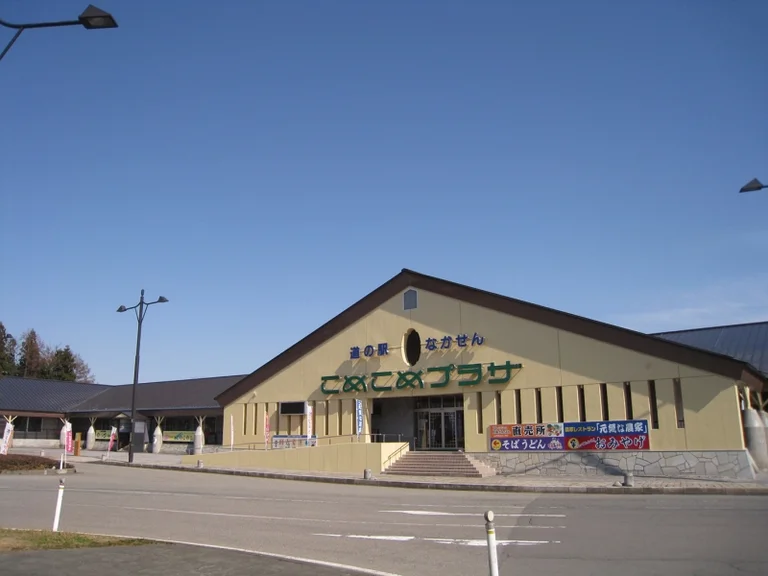
Nakasen
95-1 Takahata, Nagano, Daisen City, Akita Prefecture
Discover the Heart of Akita’s Rural Heritage
Nakasen roadside station, nestled in the serene countryside just eighteen kilometers from the competition grounds, offers the perfect vantage point into this rural heritage. During the days surrounding the August 30th competition, the station transforms into a hub of activity as more than 600,000 visitors descend on a city of just 80,000 residents.
What Makes Omagari Special
What sets Omagari apart isn't just the scale—though watching selected master pyrotechnicians from across Japan compete for the Prime Minister's Prize certainly provides spectacle—but the philosophy behind it. Unlike many festivals where fireworks are purchased displays, Omagari requires craftsmen to:
- Create their own shells from scratch
- Transport them personally to the competition
- Compete across categories: design, color palette, creativity, technical precision
It's an art exhibition rendered in explosive chemistry and split-second timing.
Regional Pride in Craftsmanship
At Nakasen, you feel the pride this competition generates. The station celebrates its own regional craftsmanship through specialty products like Du-Zhong pork raised on Du-Zhong leaves, artisanal teas, and smoked iburigakko pickles. In conversations with staff and locals at the soba restaurant, you hear the parallels drawn between these traditional foods and the fireworks themselves: both require patience, precision, and deep knowledge passed through generations.
The station's seasonal events—the Donpan Festival, the Great Oyama Fireworks—mirror the region's commitment to celebration as community practice. This is rural Japan at its most vibrant, where tradition isn't preserved in museums but lived through annual rituals that bind past and present.
On competition night, when the first daytime shell explodes in vibrant smoke against the afternoon sky, you're witnessing more than entertainment. You're seeing the culmination of year-long preparation, the validation of techniques refined over decades, the continuation of a tradition that has survived world wars and economic transformations. The roadside station, bustling with festival-goers fueling up or winding down, becomes part of that continuum—a modern gathering place anchored in timeless patterns of rural community life.
Phoenix Rising: Nagaoka's Memorial Lights
Of all Japan's summer fireworks festivals, perhaps none carries the emotional weight of Nagaoka's grand display along the Shinano River. And nowhere can you experience that history more deeply than at Nagaoka Fireworks Museum, a roadside station entirely dedicated to preserving and celebrating this profound cultural tradition.
Nagaoka Fireworks Museum
707 Kitamachi, Nagaoka City, Niigata Prefecture
Ignite Your Senses with Japan’s Most Iconic Fireworks
Born from Tragedy: The 1945 Air Raids
The story begins on August 1, 1945, when American B-29 bombers reduced 80 percent of Nagaoka to ash, killing 1,488 people in a single night. The following year, as survivors worked to rebuild from rubble, the city launched its first Nagaoka Revival Festival—not in celebration, but as a memorial service for the dead and a statement of determination. The fireworks, they decided, would honor those lost while marking the community's resurrection.
The Phoenix Rises: Symbol of Resilience
That dual purpose—remembrance and renewal—defines Nagaoka's festival to this day. When the Chuetsu Earthquake devastated the region in 2004, killing forty and destroying thousands of homes, the city responded the following year by creating the Phoenix fireworks: a spectacular display stretching two kilometers across the sky, launched from six parallel pads in synchronized choreography that mimics a mythical bird rising from flames. The phoenix became literal—a symbol rendered in gunpowder and chemistry, witnessed by hundreds of thousands who line the riverbanks each August 2nd and 3rd.
Year-Round Immersion at the Museum
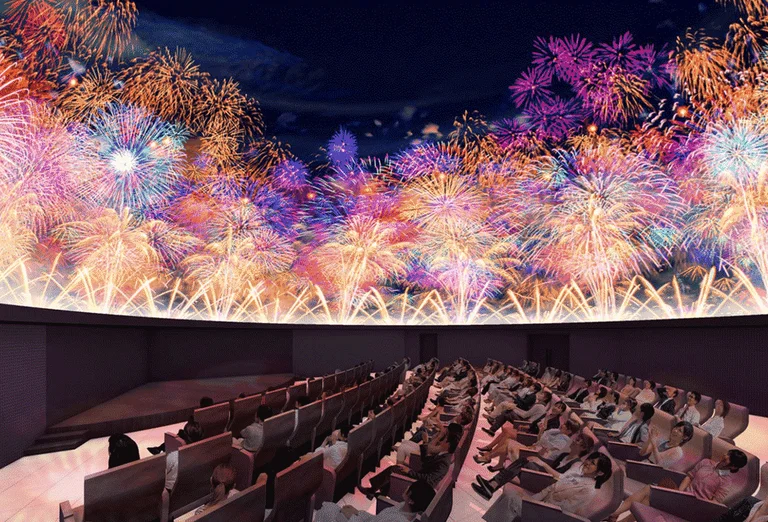
The roadside station brings this history to life year-round through its immersive museum. The centerpiece is a massive 15-meter-wide, 6-meter-tall panoramic screen in the first-floor exhibition hall, where visitors experience the full sensory impact of Nagaoka's fireworks through surround-sound audio and high-resolution video. On the rooftop, a specialized dome theater recreates the August night sky even in broad daylight, complete with the distinctive boom and crackle that makes hanabi a visceral, not just visual, experience.
The detail is extraordinary:
- Life-sized fireworks cannons and shells line the exhibition space
- Historical artifacts document the festival's evolution to one of Japan's Three Great Fireworks Festivals
- Interactive displays explain the chemistry of color (strontium for red, barium for green, copper for blue)
- Engineering exhibits show how two-kilometer-wide displays achieve perfect synchronization
Beyond Fireworks: Regional Culture
But what makes this roadside station truly special is how it contextualizes fireworks within broader regional culture. At Echigo Nagaoka Gokōya, an AI-assisted tasting system guides visitors through sake from sixteen local Niigata breweries, each one representing generations of craftsmanship parallel to the pyrotechnics celebrated upstairs. The food court, Nagaoka Kitchin, showcases regional specialties from rice-flour noodles to seasonal vegetables, while the adjacent fresh produce market connects visitors directly to the farmers whose harvests define the region.
During festival season, the station becomes a pilgrimage site. Travelers arrive days early to explore the museum, plan their viewing strategies, sample local flavors. The projection-mapped dining at HIGH AMBITION restaurant creates its own visual spectacle, a culinary echo of the fireworks theme. Even the architecture feels intentional—the modern lines and open spaces designed to handle the August crowds while maintaining the contemplative atmosphere the memorial tradition deserves.
The Night the Sky Ignites
On the night of August 2nd, when the Reconstruction Phoenix Fireworks ignite across that two-kilometer span, the crowd falls silent before erupting in cheers. From certain angles at the roadside station, a few kilometers away, you can glimpse the glow on the horizon. But more than sight, you feel the significance radiating outward—a reminder that hanabi in Japan means more than entertainment. It's memory made visible, loss transformed into beauty, community forged through shared witness of something that exists for mere seconds but resonates for generations.
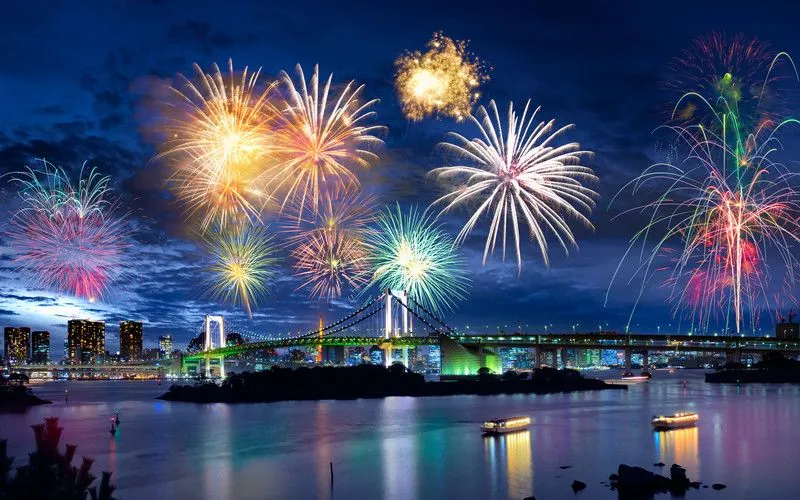

Nagaoka Phoenix fireworks illuminating summer night with two-kilometer display
Urban Elegance: Tokyo's Historic Tradition
The journey south from Niigata to Tokyo traces the hanabi season backward through history. While Nagaoka's tradition dates to 1946, the Sumida River Fireworks Festival—Japan's oldest—has illuminated Tokyo's summer sky since 1733, when Shogun Tokugawa Yoshimune ordered the display to memorialize victims of the Kyoho famine and ward off evil spirits.
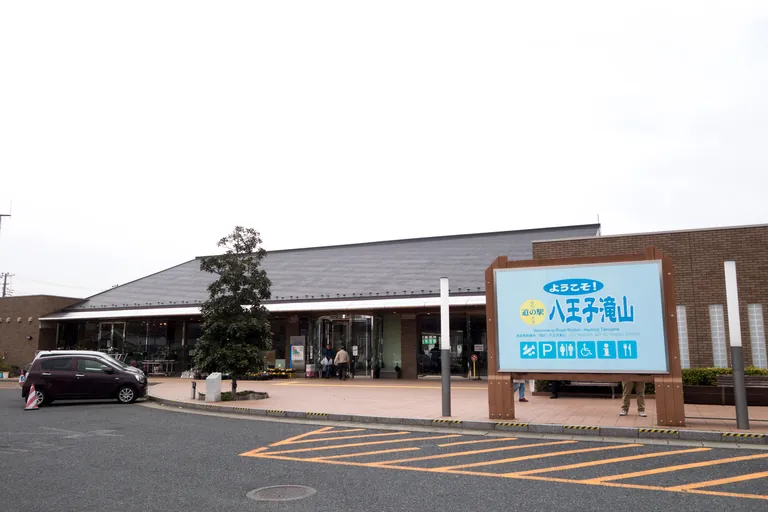
Hachioji Takiyama
1-592-2 Takiyama-cho, Hachioji, Tokyo
Discover the Heart of Tokyo’s Farm-to-Table Culture
Hachioji Takiyama, Tokyo's first and only roadside station, offers a unique perspective on how fireworks culture adapts to urban density. Nestled in western Tokyo just forty kilometers from downtown, the station represents a bridge between rural roadside traditions and metropolitan life. During late July, as the city prepares for the Sumida River festival's 20,000 fireworks and nearly one million spectators, Hachioji becomes a staging ground for travelers seeking both the spectacle and an escape from the crowds.
Farm-to-Table in the City
The station's farm-to-table philosophy—fresh vegetables from Hachioji farmers, local dairy, handmade pasta—mirrors the broader revival of agricultural identity even in metropolitan areas. At the café, the milk soft serve made from local cow's milk provides refreshment as conversations turn to festival logistics: which train lines will be packed, whether to brave the riverside or watch from a rooftop bar, how early to claim a spot on the Asakusa banks.
Centuries of Tradition
What strikes you about the Sumida River tradition is its endurance. The festival survived the Meiji Restoration in 1868, continued through pre-war decades, ceased during World War II and its aftermath, then roared back to life in 1978. That resilience speaks to something essential about hanabi's place in Japanese culture—it's not a luxury entertainment but a cultural necessity, a way communities mark time and affirm continuity.
The 20,000 shells launched from two separate venues create a coordinated spectacle visible across much of eastern Tokyo. Traditional chrysanthemum and willow patterns share the sky with innovative designs that push the boundaries of color and form. It's pyrotechnics as both art form and mass celebration, accessible to anyone willing to join the crowds along the river.
A Quieter Celebration
At Hachioji Takiyama, travelers find a quieter entry point into this tradition. The station's Katemeshi restaurant serves Hachioji-style dishes that ground you in local identity, while the farmers' market offers regional products from Hachioji Potato Chips to seasonal produce. During festival season, the station hosts its own small celebrations—live music, seasonal treats from kitchen carts—creating a satellite experience for those who want the community energy without the downtown crush.
The juxtaposition is instructive. Nagaoka's memorial gravity, Omagari's artistic competition, Hokkaido's seasonal exuberance—Tokyo's urban festival contains elements of all these while adding its own character: accessibility, diversity, the layering of centuries of tradition onto a constantly evolving metropolis. When you watch the Sumida River fireworks, you're witnessing the same essential ritual performed in 1733, but filtered through everything that came after.
The Journey Between Lights
What ties these experiences together isn't just the fireworks themselves, spectacular though they are. It's the recognition that roadside stations occupy a unique space in Japanese travel culture—modern amenities infused with regional pride, practical infrastructure that doubles as cultural ambassador. During hanabi season, that duality intensifies.
More Than Rest Stops
At each station, the festivals aren't distant events you drive past on the way somewhere else. They're woven into the daily rhythms:
- Locals discussing festival preparations and viewing strategies
- Vendors stocking special seasonal products
- Staff sharing recommendations from lived experience
- Community energy building in anticipation
The stations become narrative anchors, places where the story of each festival—its history, its meaning to the community, its connection to regional identity—becomes accessible to travelers willing to linger over a meal or conversation.
Four Traditions, One Cultural Thread
The progression from north to south, from early July through late August, maps onto more than geography. It traces the evolution of hanabi:
- Hokkaido (July): Local celebration, seasonal marker
- Akita (August 30): Artistic competition, craftsmanship showcase
- Niigata (August 2-3): Memorial practice, community resilience
- Tokyo (late July): Urban spectacle, centuries-old tradition
Each reveals different facets of what makes summer fireworks essential to Japanese culture: the marking of seasons, the honoring of past hardships, the celebration of craftsmanship, the simple joy of communal wonder.
Planning Your Hanabi Journey
For travelers planning a summer road trip through Japan, following the hanabi calendar offers a framework that's both practical and profound. The festivals themselves provide spectacular experiences, but the roadside stations between them deliver something equally valuable—context, connection, and the flavors that make each region distinct:
- Taste Hokkaido in pasture-raised pork curry
- Understand Akita through smoked pickles and hand-pulled soba
- Feel Niigata's pride in AI-guided sake tasting
- Experience Tokyo's agricultural heritage through local milk soft serve
The best time for this journey runs from early July through late August, when summer heat makes evening gatherings welcome and the shortened nights provide perfect canvases for pyrotechnic art. But even beyond festival dates, these roadside stations carry the cultural residue of celebration—photos from previous years, products tied to local traditions, conversations that reference the festivals as temporal landmarks: "before Omagari," "after Nagaoka," "during the Sumida River crowds."
Epilogue: Sky as Canvas, Community as Witness
On my last night of following the hanabi season, I found myself back at Nagaoka Fireworks Museum, standing in the dome theater as a simulation of the Phoenix display filled the projected sky. Around me, families watched in reverent silence—the same silence, I imagined, that must have fallen over Nagaoka on August 1, 1946, when those first memorial fireworks climbed into the night, carrying grief and hope in equal measure.
That's what the journey taught me: hanabi in Japan is never just about the display. It's about who stands beside you watching, the history that brought you there, the seasons marked and memories forged. The roadside stations, with their practical comforts and regional pride, their connections to local agriculture and tradition, become part of that ritual. They're where you prepare for the spectacle, where you decompress after, where you discover that the journey between lights matters as much as the moment they ignite.
Summer in Japan burns brief and brilliant, just like the fireworks that define it. But the communities that gather to watch, the traditions that endure, the roadside stations that serve as their anchors—these persist, ready to welcome travelers year after year into one of the country's most profound seasonal rhythms. Chase the hanabi season from Hokkaido to Tokyo, and you'll discover that the lights illuminating the sky also illuminate something deeper: the Japanese art of turning fleeting beauty into lasting meaning.
Featured Stations: In-Depth Highlights
Of the 4 stations on this route, we've highlighted 4 exceptional stops that truly embody the region's unique character. Each offers unique experiences worth making time for.
Hana Road Eniwa
817-18 Minami-Shimamatsu, Eniwa-shi (along National Route 36)
Discover the Heart of Hokkaido’s Natural and Culinary Spirit
Nakasen
95-1 Takahata, Nagano, Daisen City, Akita Prefecture
Discover the Heart of Akita’s Rural Heritage
Nagaoka Fireworks Museum
707 Kitamachi, Nagaoka City, Niigata Prefecture
Ignite Your Senses with Japan’s Most Iconic Fireworks
Hachioji Takiyama
1-592-2 Takiyama-cho, Hachioji, Tokyo
Discover the Heart of Tokyo’s Farm-to-Table Culture
Jessica Muller
European travel writer based in Japan for the past four years. Explores rural communities and regional culture across the country, bringing authentic stories of local life to Western readers.