
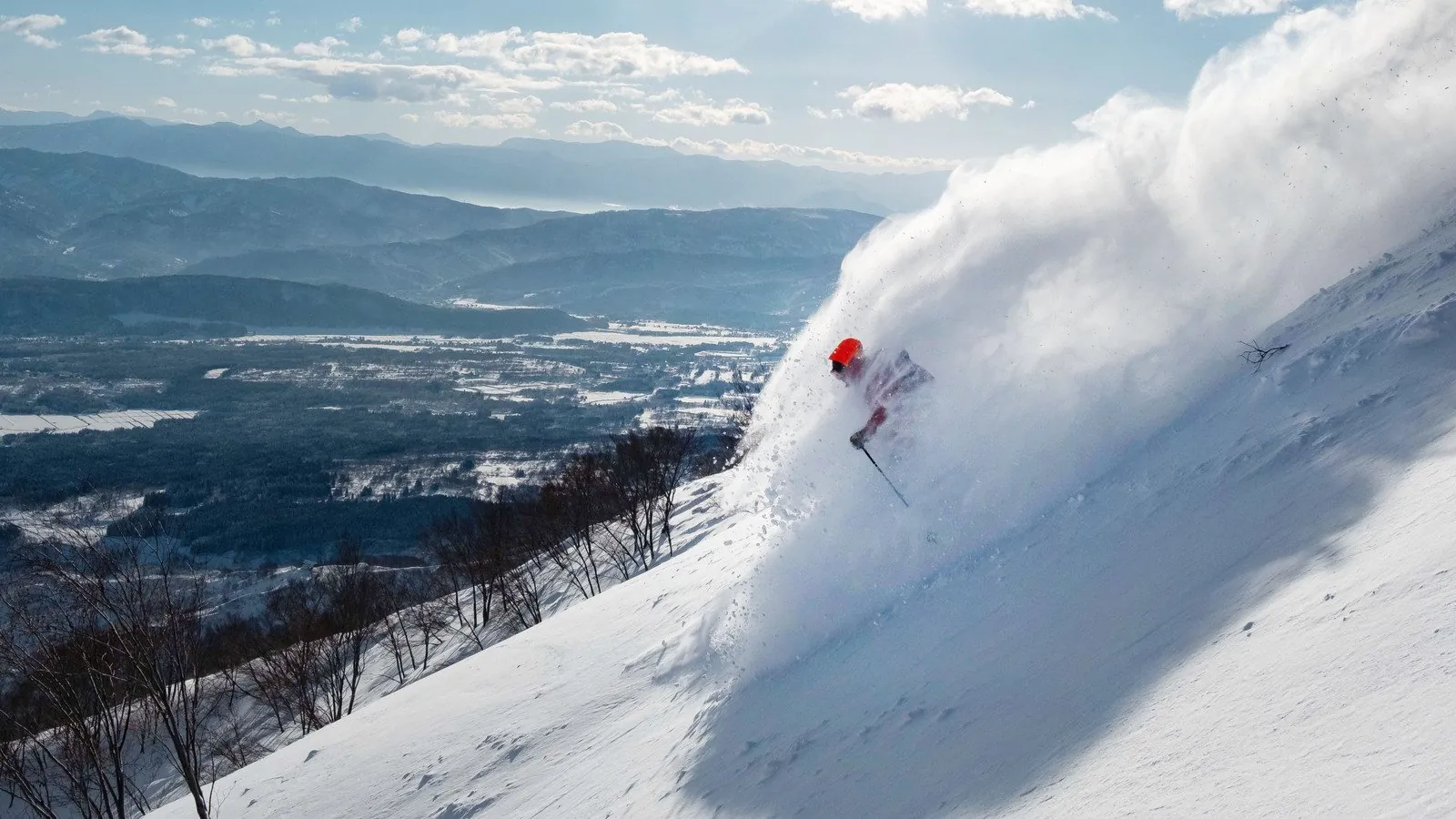
The 140-kilometer drive from Tokyo to Nagano's ski country begins before dawn, when the city's neon still glows against winter darkness. By the time you clear the sprawl and hit the Joshin-etsu Expressway, the sky lightens over rice paddies and the silhouette of mountains sharpens ahead. Your ski rack catches the morning light somewhere past Karuizawa, and Mount Asama's volcanic cone rises to your left like a promise. Nagano Prefecture, home to the 1998 Winter Olympics and some of Japan's most celebrated ski resorts, transforms each winter into a snow-draped sanctuary where powder snow meets centuries-old hot spring culture. From the legendary slopes of Hakuba Valley's 10 interconnected resorts to Nozawa Onsen's 300 hectares of skiing terrain, this is where international powder hounds and Japanese families alike chase the perfect run. Yet along this mountain highway lie roadside stations that serve as more than mere pit stops—they're gateways to the region's soul, offering steaming bowls of mountain fare, therapeutic hot springs, and the kind of warm hospitality that makes you linger long after your skis are racked.
I spent this past winter making the Tokyo to Nagano ski run multiple times, chasing both powder and the authentic experiences that lie beyond the chairlifts. What I discovered was a network of welcoming havens where local farmers, onsen keepers, and mountain cooks tend to winter travelers with the same care they give to the land. These stations anchor a region where over 11 meters of annual snowfall blankets the Northern Alps, where Shiga Kogen's 19 interconnected ski areas create Japan's largest ski resort, and where the season stretches from late November well into April. Let me take you through five remarkable roadside stations that define the winter road trip through Nagano Prefecture—places where the journey itself becomes as memorable as the skiing.
Nagano's Winter Roadside Stations
A journey through roadside stations serving Nagano Prefecture's world-class ski resorts, combining powder snow, hot springs, and authentic mountain hospitality
First Light: The Saku Valley Welcome
By the time you reach Saku City—roughly 90 minutes from Tokyo if traffic cooperates—you've climbed from the Kanto Plain into Nagano's highland valleys. Hot Park Asakashina appears just off National Route 142, a modest roadside station that punches well above its architectural weight. The building itself won't wow you, but what happens inside transforms a routine pit stop into something worth the detour. This is where serious skiers on the Tokyo-Hakuba run have learned to fuel up, not just with gasoline but with the kind of breakfast that understands what the body needs before a day in the cold.
The Golden Yolk That Stops Traffic
Step into Asashina-tei restaurant around 11 AM (it opens late, catering to the mid-morning crowd) and you'll notice something unusual: nearly every table has ordered eggs. Not just any eggs—Asama Komachi eggs, a Nagano Prefecture Governor's Award winner distinguished by thick brown shells and yolks so rich they can be picked up with chopsticks. I'm skeptical of food marketing superlatives, but these eggs genuinely taste different. The farm that produces them raises chickens on a specialized diet that results in unusually dense, almost custard-like yolks with a deep orange color that looks airbrushed. The restaurant serves them multiple ways—over rice bowls, in miso soup, soft-boiled as sides—but the simplest preparation reveals their quality best: cracked over hot rice with a dash of soy sauce, the yolk coating each grain in golden richness.
The signature "mountain vegetable curry" (available June through September when highland vegetables peak) arrives with chunks of daikon, mountain greens, and local mushrooms in a moderately spicy sauce that benefits from the addition of a raw Asama Komachi egg stirred in tableside. It's the kind of meal that feels intentionally designed for cold-weather exertion—carbs, protein, warming spices, and enough substance to carry you through to dinner.
Strategic Stopping Point
Hot Park Asakashina's real value lies in its location: 60 kilometers south of Nagano City, perfectly positioned for skiers approaching from Tokyo who want to avoid driving the entire distance in one shot. The station offers EV charging (increasingly essential as more rental companies offer electric vehicles), clean restrooms, and a small but well-curated shop selling Saku apples, local honey, and the inevitable Asama Komachi eggs to take home. On weekday mornings, the crowd skews heavily toward repeat visitors—you'll overhear conversations about which resort got the most overnight snow, whether Hakuba or Nozawa will have better conditions, and the current state of Route 18 as it climbs toward Iiyama.
I met a Tokyo-based ski instructor who makes this drive weekly during season and always stops here. "The eggs," he said, "but also the timing. If I leave Tokyo at 6 AM, I hit here right when I need coffee and food, and I'm at whichever resort by early afternoon." That pragmatic assessment captures Hot Park Asakashina perfectly—it's not flashy, but it solves the problem of how to break up the Tokyo-to-ski-country drive without sacrificing quality or time.
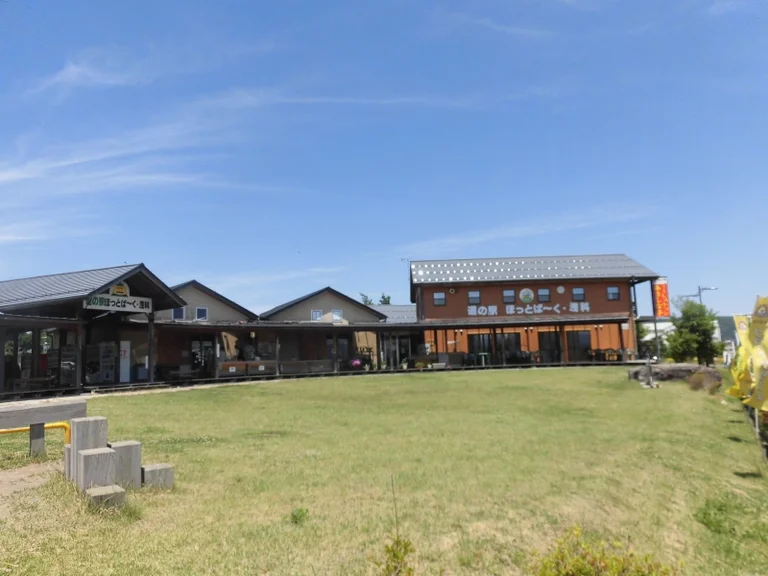
Hot Park Asakashina
384-2104 Nagano Prefecture, Saku City, Kou 2177-1
Savor the Essence of Shinshu at Hot Park Asakashina
Northern Gateway: Where Iiyama Meets the Slopes
The drive north from Nagano City toward the Niigata border follows the Chikuma River through increasingly dramatic terrain. Snow-heavy mountains press closer, rice paddies lie dormant beneath white quilts, and the air takes on that particular crystalline quality that signals serious ski country. Flower Station Chikumagawa in Iiyama sits at this threshold, just 20 minutes from Nozawa Onsen Ski Resort, where over 40 ski trails and 10 meters of seasonal snowfall await. I arrived on a February morning when the station's parking lot was already half-filled with ski-racked vehicles, their drivers and passengers drawn as much by the promise of Cafe Riwa's renowned breakfast as by the slopes beyond.
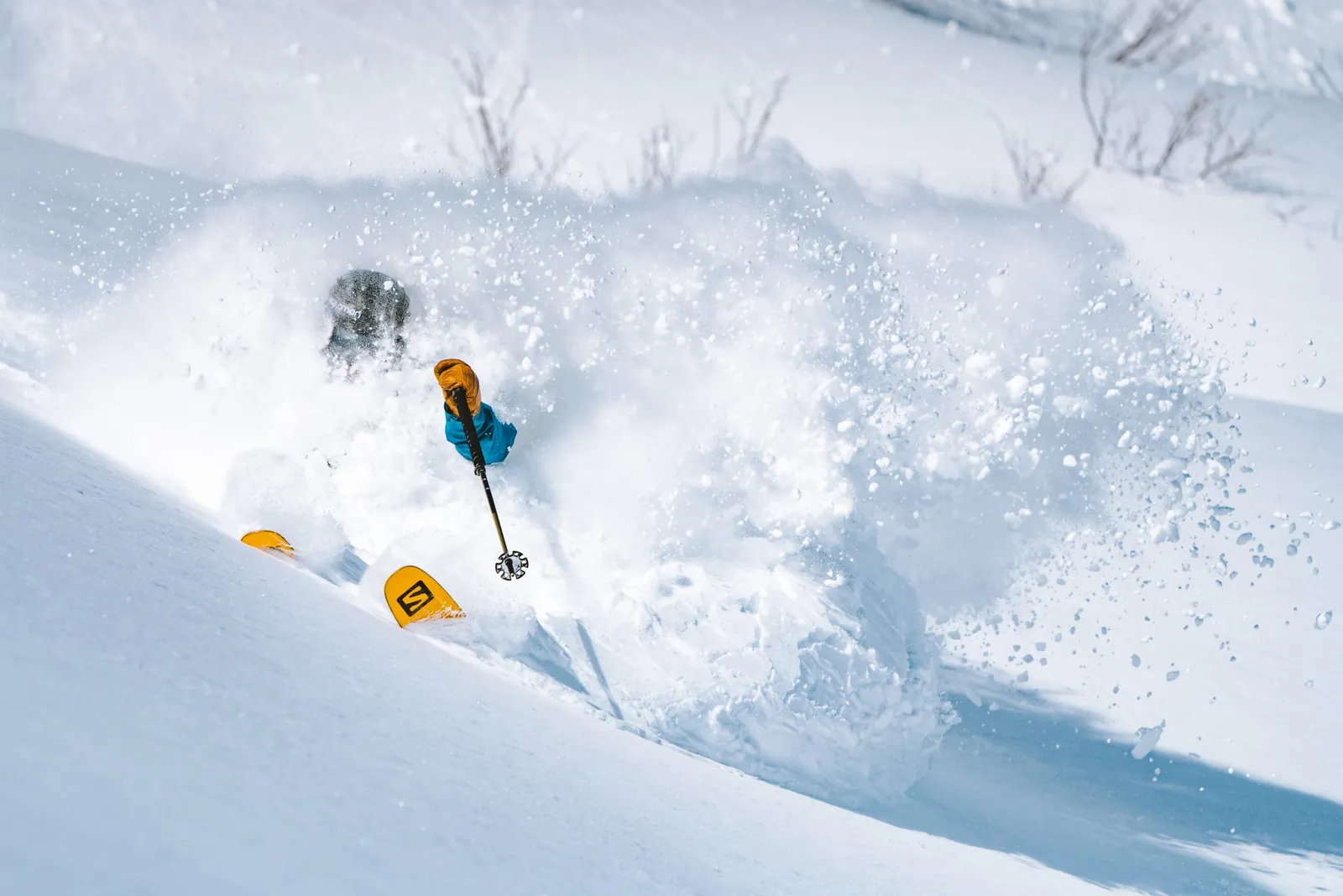
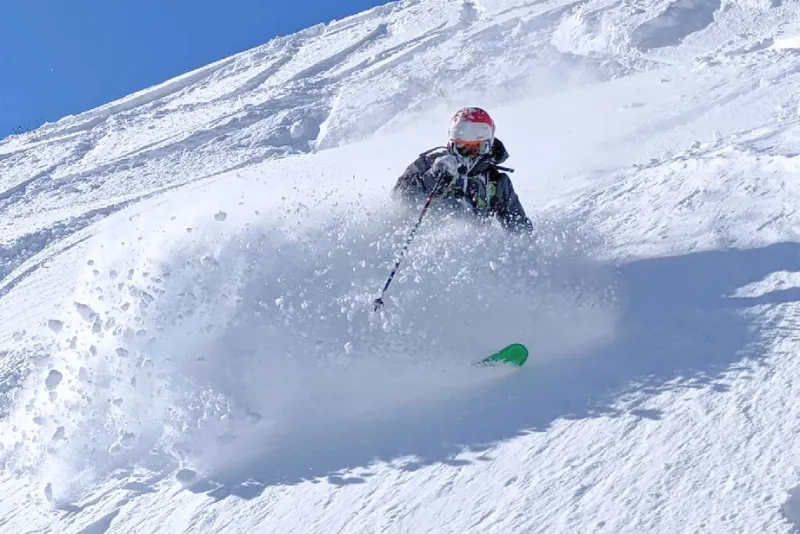
Hakuba ski resort with fresh powder snow
What Sets Flower Station Apart for Winter Travelers
Inside, the warmth hits you first—not just the physical heat that fogs your glasses, but the convivial atmosphere of fellow snow seekers planning their day. The farm market section buzzes even at 7:30 AM (the station opens early during winter), with local farmers restocking bins of Iiyama's prized rice, pickled Nozawana greens, and the season's preserved vegetables that sustained mountain communities through centuries of heavy snowfall. But it's Cafe Riwa that anchors the winter morning ritual. Their signature curry, made with Fukumidori chicken raised just kilometers away, arrives steaming and substantial—the kind of meal that knows you're heading into cold and altitude. I watched a family of four share fluffy egg-topped rice bowls made with Nanohana Miyuki eggs from nearby Yoshikoshi Poultry Farm, the golden yolks breaking over rice so fresh it still held the memory of autumn harvest.
The Winter Festival Tradition
Each November, Flower Station Chikumagawa hosts the Iiyama New Rice Festival, a celebration that feels especially poignant in ski country where the growing season is brutally short. Volunteers hand out complimentary rice balls made from the year's first harvest, paired with mountain mushroom soup that captures the forest's earthy essence. When I visited during the station's 20th-anniversary celebrations this past winter, the menu featured a limited-edition Shinshu beef steak rice bowl and Riwa coffee soft serve—the latter an unlikely but brilliant combination of bitter and sweet that somehow worked perfectly as a mid-morning snack before heading to the slopes. The station also serves as an information hub for four nearby ski resorts, offering early-season lift ticket discounts and current snow condition reports, making it an essential first stop for anyone serious about skiing northern Nagano.
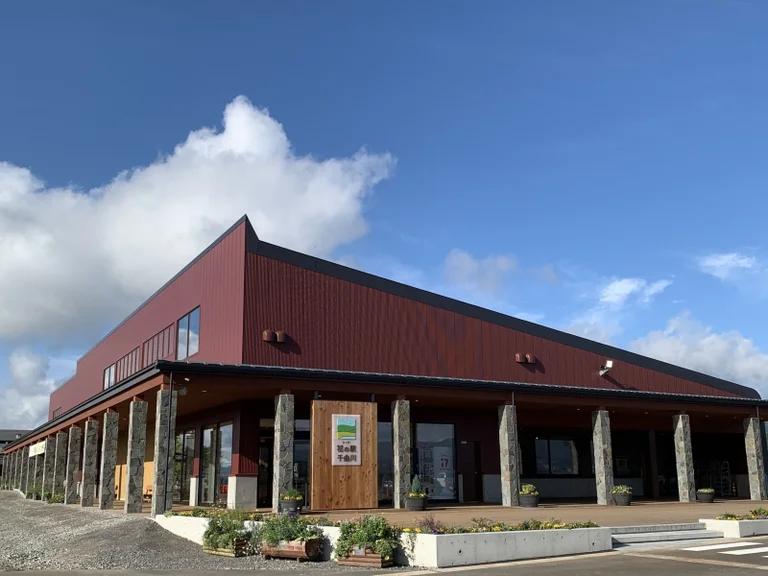
Flower Station Chikumagawa
7425 Tokiwa, Iiyama City, Nagano Prefecture
Discover the Heart of Shinano’s Farm-to-Table Spirit
Mountain Heart: Hakuba's Highland Gateway
Heading southwest from Iiyama, the landscape opens into one of Japan's most dramatic alpine panoramas. The North Alps—a wall of peaks that include Mount Hakuba at 2,932 meters—dominate the western horizon, their snow-covered flanks glowing pink at dawn and dusk. Ogawa Roadside Station, nestled in the highlands of Ogawa Village about 30 minutes northeast of Hakuba Valley, occupies what feels like a sweet spot between civilization and wilderness. The station sits at approximately 750 meters elevation, high enough that snow arrives early and lingers late, creating a genuinely alpine atmosphere even before you reach the major ski resorts.
Connecting to Hakuba's Legendary Slopes
Hakuba Valley, home to the 1998 Olympics' downhill and ski jump events, sprawls across 30 kilometers of interconnected terrain that includes Hakuba Happo-One, Hakuba 47, and Hakuba Goryu—resorts that together offer 92 lifts and 137 runs. The valley receives an astonishing 11+ meters of snow annually, creating the kind of powder conditions that draw skiers from across Asia and beyond. Ogawa serves as an alternative access point for skiers approaching from Nagano City or those exploring the less-crowded northern and eastern sectors. I met several savvy season-pass holders who deliberately use Ogawa as their morning base, enjoying breakfast at the station's Furusato Denkan Hall before making the 20-minute drive to whichever resort has the best conditions that day.
Mountain Food in Its Truest Form
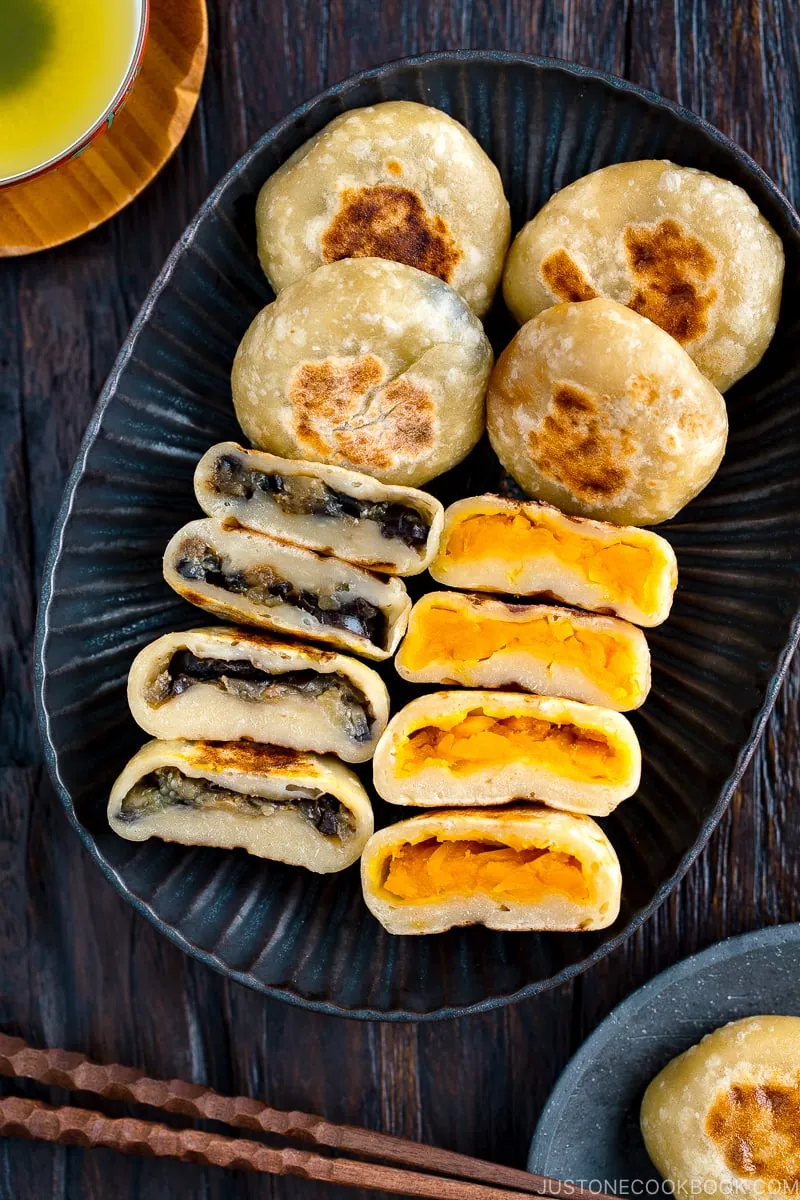
The food at Ogawa carries an unmistakable highland character. Hand-pulled soba arrives cold in summer, hot in winter, made from buckwheat grown in the surrounding mountains where the short growing season and mineral-rich volcanic soil create intensely flavored grain. The oyaki—Nagano's signature stuffed dumplings—reach their apex at the adjacent Ogawa no Sho Oyaki Village, where they're still grilled over a traditional hearth using methods passed down through generations. I ordered the mushroom variety on a snowy afternoon, watching as the cook tended the griddle with the focused attention of someone who's made thousands of these. The exterior achieved that perfect balance of crisp and tender, while the interior steamed with locally foraged mushrooms and just enough seasoning to let their earthy flavor dominate.
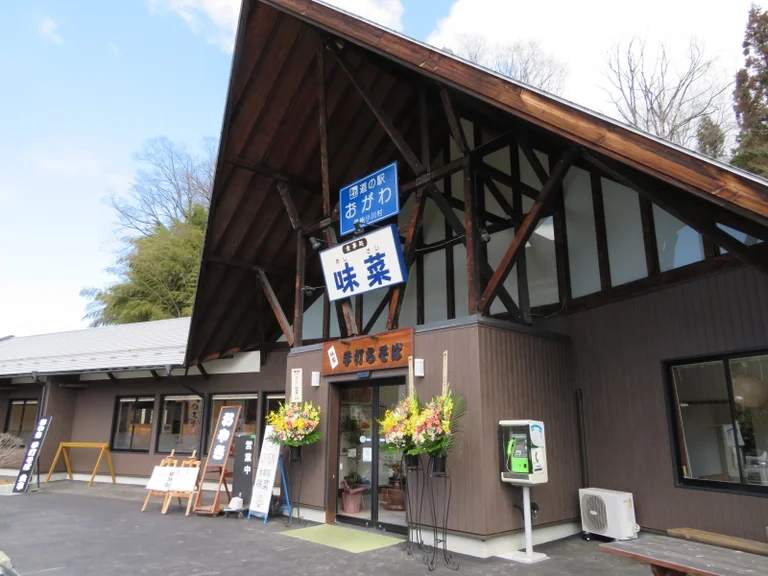
Ogawa
1502-2 Takafuku, Ogawa Village, Kamiminochi District, Nagano Prefecture
Discover the Heart of the Japanese Alps at Ogawa Roadside Station
The Alps Viewing Plaza and Cultural Treasures
What surprised me most about Ogawa wasn't the food or its proximity to Hakuba, but the unexpected cultural depth. The Alps Viewing Plaza offers unobstructed panoramas of the North Alps, particularly stunning in winter when the peaks wear their heaviest snow. On clear days, you can identify individual mountains and ski resorts, watching tiny gondolas crawl up distant slopes. Inside, the reconstructed former governor's residence—now Furusato Land Ogawa—houses a modest but well-curated collection that includes original works by color pencil artist Fujinaga Ichiro. It's an odd combination: ski resort access, mountain food, and fine art all under one administrative umbrella. Yet somehow it works, creating a layered experience that rewards those who arrive early or linger after their last run.
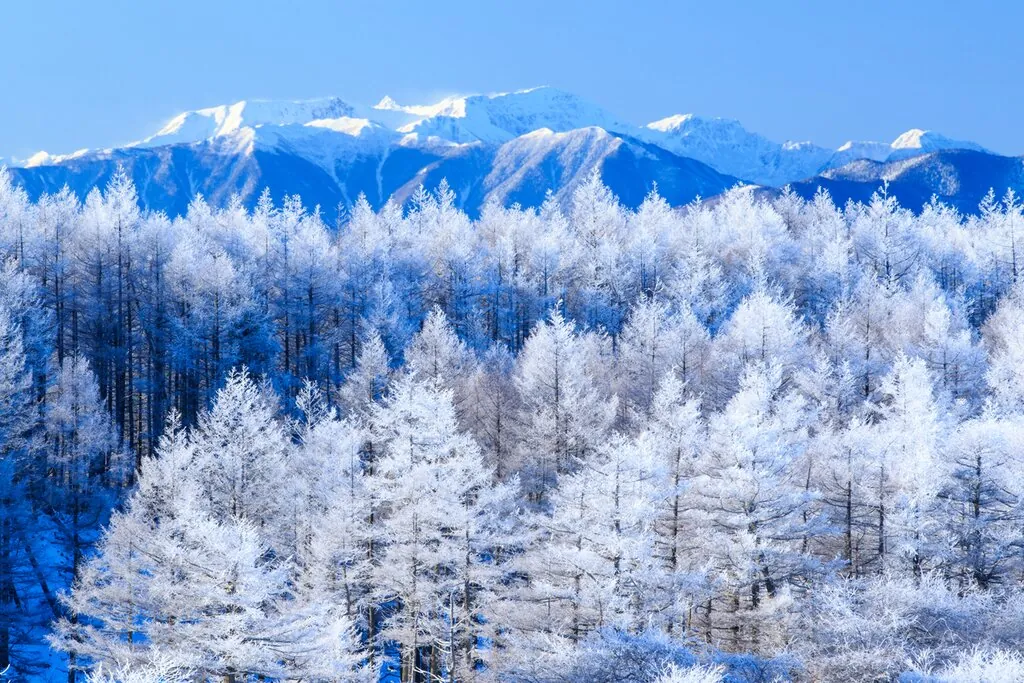
Japanese Alps snow-covered peaks in winter
Après-Ski Paradise: Where Hot Springs Meet the Slopes
Just 10 kilometers west of Ogawa, deeper into the alpine basin that cradles Hakuba Valley, sits Pokka Pokka Land Yosami in Omachi City. The name—"Pokka Pokka" being Japanese onomatopoeia for warmth and comfort—telegraphs its primary appeal. This is Nagano ski country's answer to a question every powder hound eventually asks: where can I soak my aching muscles after a hard day on the mountain? The station's rare Hokutou stone bath, fed by mineral-rich hot spring waters, has made it something of a pilgrimage site for serious skiers who understand that recovery is as important as performance.
The Hokutou Stone: Japan's Rarest Onsen Experience
Hokutou stone, a rare radioactive mineral found only in select regions of Japan (notably Akita Prefecture's Tamagawa Onsen), has been scientifically demonstrated to emit low-level radiation and far-infrared rays that proponents claim enhance circulation and boost immunity. Pokka Pokka Land Yosami sourced authentic Hokutou stone and reconstructed the bathing experience, creating what's marketed as one of Nagano Prefecture's most therapeutic soaks. I'm cautious about overstating health claims, but I can report that after a day skiing Hakuba Happo-One's challenging terrain, the Hokutou bath left me feeling genuinely restored. The water temperature runs slightly hotter than typical onsen, and the mineral content creates a silky sensation against the skin. The outdoor rotenburo (open-air bath) might be the finest winter bathing experience in the prefecture—watching snow fall while immersed in steaming water, the North Alps looming white against winter's early darkness.
Shinshu Cuisine at Its Finest
The on-site restaurant Mino no Sato operates on a monthly rotating menu that showcases Nagano's seasonal bounty, though winter might be when it shines brightest. Shinshu beef—cattle raised on the region's clean water and mountain grasses—appears in various preparations, from yakiniku (grilled meat) to elaborately presented kaiseki courses. The Shinshu salmon (a local trout species) gets smoked or grilled, paired with mountain vegetables preserved from autumn's harvest. But it's the winter specialties that stopped me mid-bite: venison burger sets made from local deer (part of Nagano's wildlife management program), served with yuzu soba that balanced the citrus's brightness against the meat's rich gaminess. Summer brings different delights, but winter's menu understands what skiers crave—protein, fat, warmth, and bold flavors that cut through cold-dulled palates.
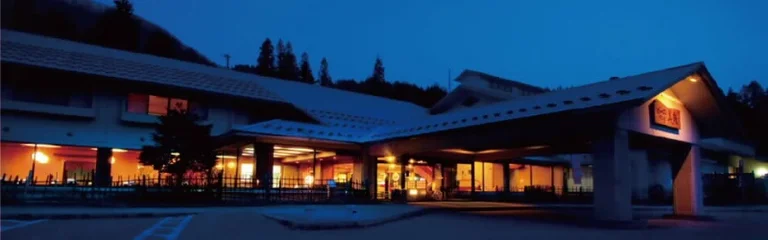
Pokka Pokka Land Yosami
16784 Yosami, Omachi, Nagano Prefecture
Discover the Heart of Nagano’s Natural Splendor
Strategic Location for Multi-Resort Skiing
Pokka Pokka Land Yosami's location makes it ideal for skiers working their way through Hakuba Valley's resort collection. Hakuba Goryu and Hakuba 47 sit just 15 minutes west, while Hakuba Happo-One is 20 minutes away. The slightly lesser-known Tsugaike Kogen and Cortina resorts are similarly accessible. Several winter visitors I spoke with had established a routine: ski Hakuba from first lift to 3 PM, drive to Pokka Pokka Land, soak for 90 minutes, eat a substantial dinner, then either drive home or continue to evening accommodations. The station's lodging facility offers basic but comfortable rooms for those who want to maximize their mountain time across multiple days. It's not luxury accommodation, but it's clean, warm, and priced reasonably—exactly what you need when the primary goal is skiing, not hotel amenities.
Eastern Route: Culture Between the Peaks
While Hakuba and Nozawa Onsen command international attention, Nagano's ski country extends eastward toward Tomi City and the resorts of Asama and Tateshina. Raiden Kurumi no Sato in Tomi serves a different kind of winter traveler—those skiing Yunomaru Kogen or Ikeda Highland Resort, smaller operations with fewer international visitors but devoted local followings. Named for Raiden Wajemon, an Edo-period sumo wrestler who achieved legendary status (255 wins, only 10 losses in an era when matches were fought to submission), the station celebrates both athletic excellence and the Shinano walnut that thrives in the region's alpine climate.
Winter Fuel: The Walnut Tradition
Walnuts might seem an odd focus for a roadside station, but in Nagano's food culture, they're foundational. The Shinano walnut, smaller but more intensely flavored than common varieties, appears in everything from walnut soft serve (available year-round, surprisingly popular even in winter) to walnut miso sauce served over hot soba noodles. The station's Yunomaru restaurant offers hand-pulled soba with walnut dipping sauce, a traditional mountain dish that delivers the kind of caloric density winter demands. The walnuts add richness and a subtle sweetness that balances soba's earthy flavor, creating something that tastes both ancient and perfectly suited to contemporary appetites.
The Raiden Museum: Strength and Perseverance
The small Raiden Museum attached to the station might seem tangential to skiing, but it tells a story about Nagano's character—the kind of strength and perseverance required to thrive in mountain winters. Raiden's training regimen, conducted in conditions far harsher than modern athletes endure, speaks to a culture that doesn't merely tolerate winter but embraces it as a crucible. The museum displays original artwork, historical documents, and a life-size statue of the wrestler that conveys his physical presence. It's a quick visit—20 minutes suffices for most—but it adds cultural context to a journey that might otherwise focus solely on snow and skiing.
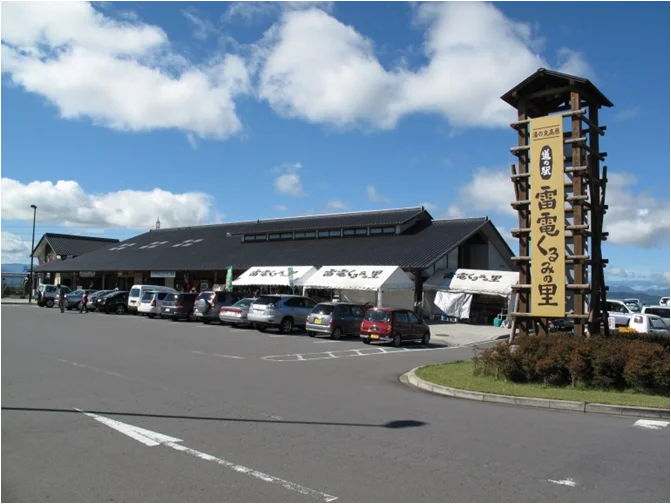
Raiden Kurumi no Sato
4524-1 Shigeno-Otsu, Tomi, Nagano Prefecture
Discover the Spirit of the Mountain and the Sweetness of Tradition
Local Flavors: Beyond the Mountains
The farmers market at Raiden Kurumi no Sato reveals how Tomi City's lower elevation (compared to Hakuba or Iiyama) creates a different agricultural profile. Giant Kyoho grapes, Shinano apples (the trifecta of Akibae, Shinano Sweet, and Shinano Gold), and preserved vegetables fill the shelves. Winter shoppers load up on apple juice, walnut cookies, and local sake branded with Raiden's image—gifts that carry stories back to homes far from the mountains. The station also sells craft beer made with Kawanakajima white peaches, a summer fruit transformed into a year-round beverage that tastes like sunshine stored in glass.
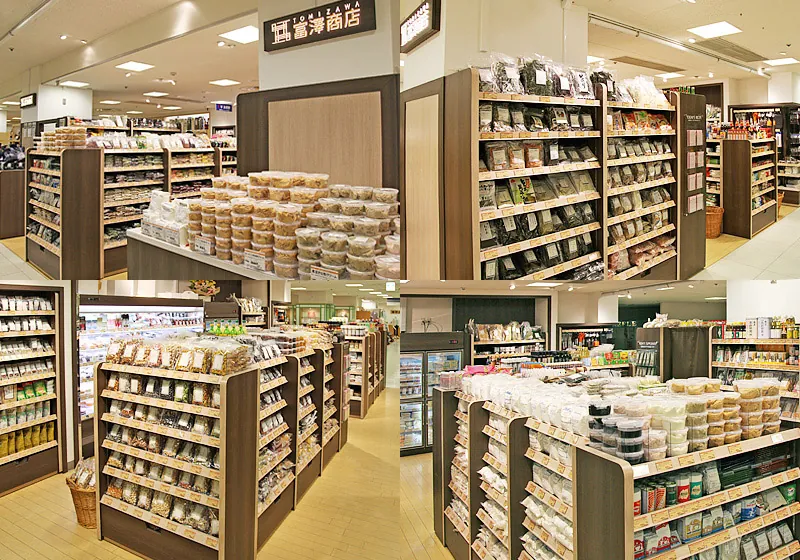
Fresh walnuts and nuts at Japanese specialty market
The Winter Road Less Traveled
What strikes me most about Nagano Prefecture's network of roadside stations in ski country isn't their proximity to world-class resorts—though that's certainly convenient—but how they anchor experiences that skiing alone can't provide. The powder snow that blankets Hakuba, Nozawa Onsen, and Shiga Kogen from December through April creates conditions that rival Colorado or the Swiss Alps. The 1998 Winter Olympics put Nagano on the international ski map, and infrastructure improvements made for those games still serve travelers today. But between the runs, après the skiing, lies a quieter story about mountain communities that have learned to not just survive winter but celebrate it.
At Flower Station Chikumagawa, farmers who can't work their fields in January instead work the Cafe Riwa kitchen or stock the market with goods preserved in warmer months. Ogawa's artisans keep the oyaki tradition alive, their charcoal-heated griddles producing dumplings that taste like the mountains themselves. Pokka Pokka Land Yosami tends to bodies battered by moguls and long carving runs, its Hokutou stone baths offering recovery that no amount of stretching can match. And Raiden Kurumi no Sato connects contemporary travelers to an athlete who understood that excellence requires enduring hardship—a lesson the mountains teach every winter.
These stations don't replace the skiing; they complete it. They transform a ski trip into something richer—a winter journey through Nagano Prefecture where the spaces between mountains matter as much as the slopes themselves. Next time you're planning a Hakuba or Nozawa Onsen adventure, build extra time into your itinerary. Arrive early, linger late, and let the roadside stations show you what winter hospitality really means. You might find, as I did, that the warmth you remember most isn't from the onsen or the meal, but from the people who tend these outposts where powder meets welcome.
Featured Stations: In-Depth Highlights
Of the 5 stations on this route, we've highlighted 5 exceptional stops that truly embody the region's unique character. Each offers unique experiences worth making time for.
Hot Park Asakashina
384-2104 Nagano Prefecture, Saku City, Kou 2177-1
Savor the Essence of Shinshu at Hot Park Asakashina
Flower Station Chikumagawa
7425 Tokiwa, Iiyama City, Nagano Prefecture
Discover the Heart of Shinano’s Farm-to-Table Spirit
Ogawa
1502-2 Takafuku, Ogawa Village, Kamiminochi District, Nagano Prefecture
Discover the Heart of the Japanese Alps at Ogawa Roadside Station
Pokka Pokka Land Yosami
16784 Yosami, Omachi, Nagano Prefecture
Discover the Heart of Nagano’s Natural Splendor
Raiden Kurumi no Sato
4524-1 Shigeno-Otsu, Tomi, Nagano Prefecture
Discover the Spirit of the Mountain and the Sweetness of Tradition
Jessica Muller
European travel writer based in Japan for the past four years. Explores rural communities and regional culture across the country, bringing authentic stories of local life to Western readers.