
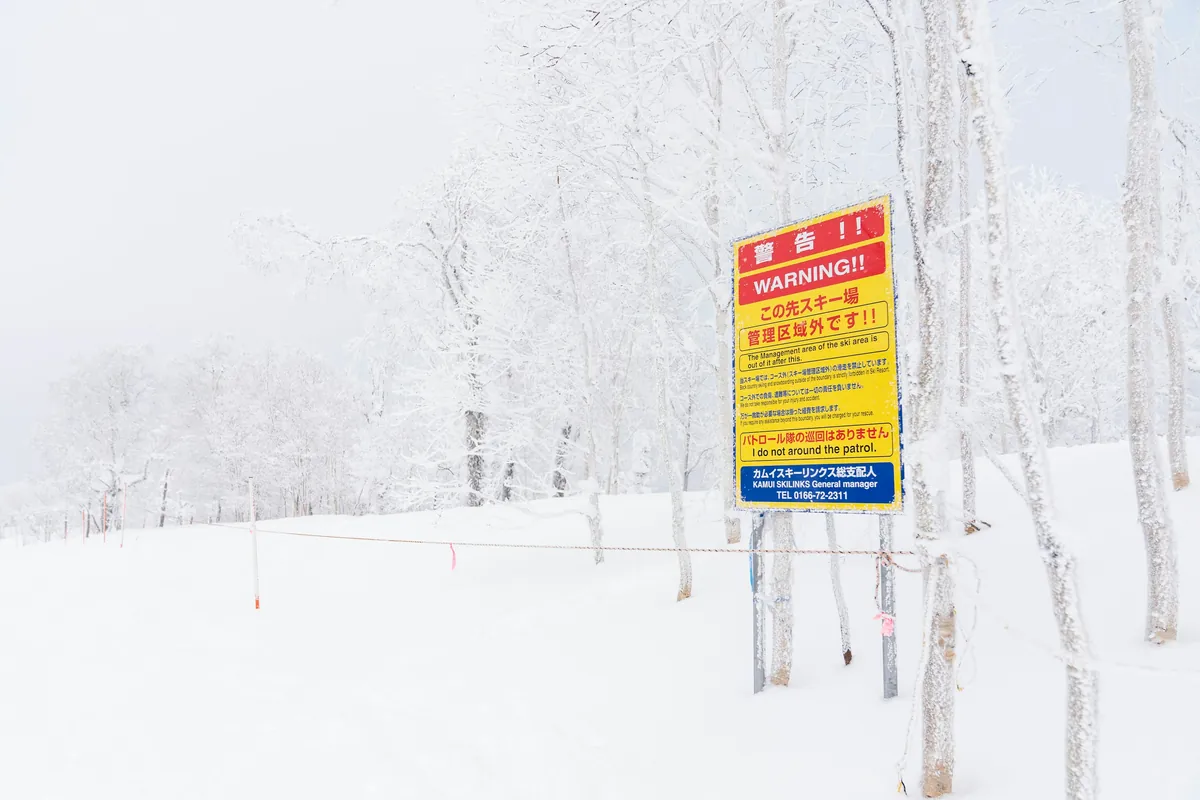
The first time I heard about Tohoku's skiing heritage, I assumed it was a relatively modern phenomenon—maybe something that took off in the 1970s or 80s when Japan's ski boom reached its peak. I was wrong by about six decades.
Skiing was introduced to the mountainous regions of northern Honshu around 1918, more than a century ago. That's not just impressive—it's a reminder that while we often think of Japanese ski culture as recent, these mountains have been drawing adventurers through deep powder for generations. Today, that legacy lives on not just in the resorts themselves, but in the roadside stations that serve as gateways to some of Japan's most legendary winter destinations.
I'm talking about a journey that spans three prefectures, connects five remarkable michi-no-eki, and reveals why Tohoku remains one of Japan's best-kept secrets for powder hounds and cultural travelers alike.
Tohoku's Legendary Ski Country
A north-to-south journey through Tohoku's greatest ski destinations, from century-old Hachimantai to the snow monster realm of Zao
Where It All Began: Hachimantai's Mining Town Origins
My journey starts in the northern reaches of Tohoku, in what's now Hachimantai City, Iwate Prefecture. The story here isn't what you'd expect from a ski destination. The origin of today's Hachimantai and Appi Kogen Snow Resorts traces back to the Matsuo Mine, once called "the best sulfur mine in the East."
Think about that for a moment. A century ago, miners working in these frozen mountains needed a way to navigate the brutal winter terrain. Skiing wasn't recreation—it was transportation, survival, necessity. That utilitarian beginning evolved into something far more joyful.
In 1962, the Hachimantai National Ski Resort opened as the first resort in Iwate Prefecture with ski lifts. It was a turning point, transforming these mountains from a place of industrial labor into a winter playground. Then came the real game-changer: the opening of Appi Kogen Resort in 1981, which turned the area into a mega-resort on the scale of destinations like Aspen or Park City.
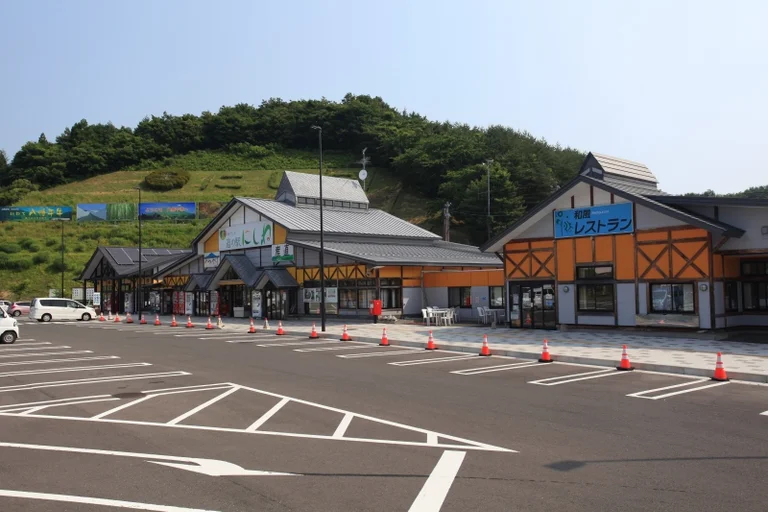
Nishine
Ohfure 2-154-36, Hachimantai, Iwate
Taste the Heart of Rural Japan at Nishine Roadside Station
Today, Nishine roadside station serves as the perfect basecamp for exploring this historic ski country. What draws me here isn't just the proximity to the slopes—though that's certainly convenient—it's the way the station celebrates the region's agricultural roots even in the depths of winter. The farm-fresh vegetables, handmade dairy products, and regional specialties like Horenso Curry and Horenso Ramen (made with spinach grown right on-site) remind me that this place has always been about resourcefulness and connection to the land.
Insider tip: Visit the on-site farm area even in winter. The contrast between the snow-covered fields and the warm greenhouses offers a glimpse into how locals sustain life year-round in these mountains.
The restaurant serves hearty, warming dishes perfect for refueling after a morning on the slopes. I'm particularly fond of the way they incorporate seasonal mountain vegetables into everything—it's comfort food that actually tastes like it came from somewhere specific, not a generic ski lodge menu.
Heading South: The Road to Snow Monsters
Leaving Hachimantai behind, I drive south into Yamagata Prefecture. The landscape shifts gradually—the mountains grow more dramatic, the valleys deeper. I'm heading toward what many consider the crown jewel of Tohoku skiing: Mount Zao.
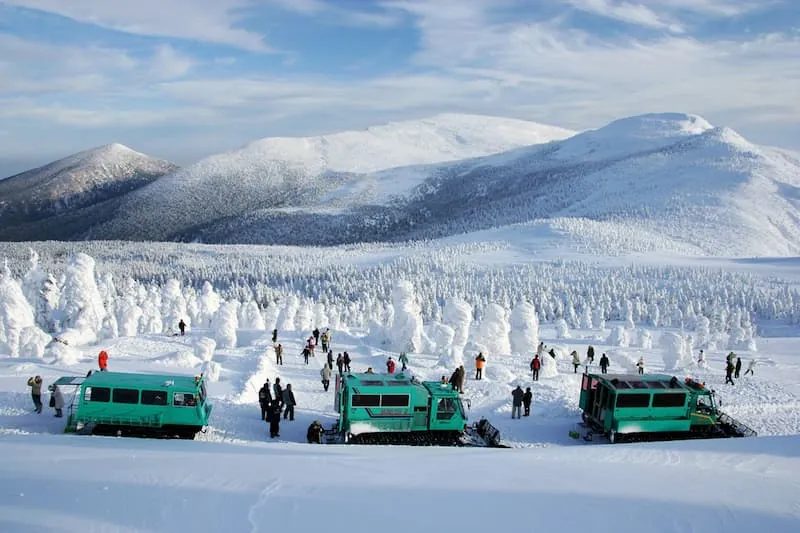
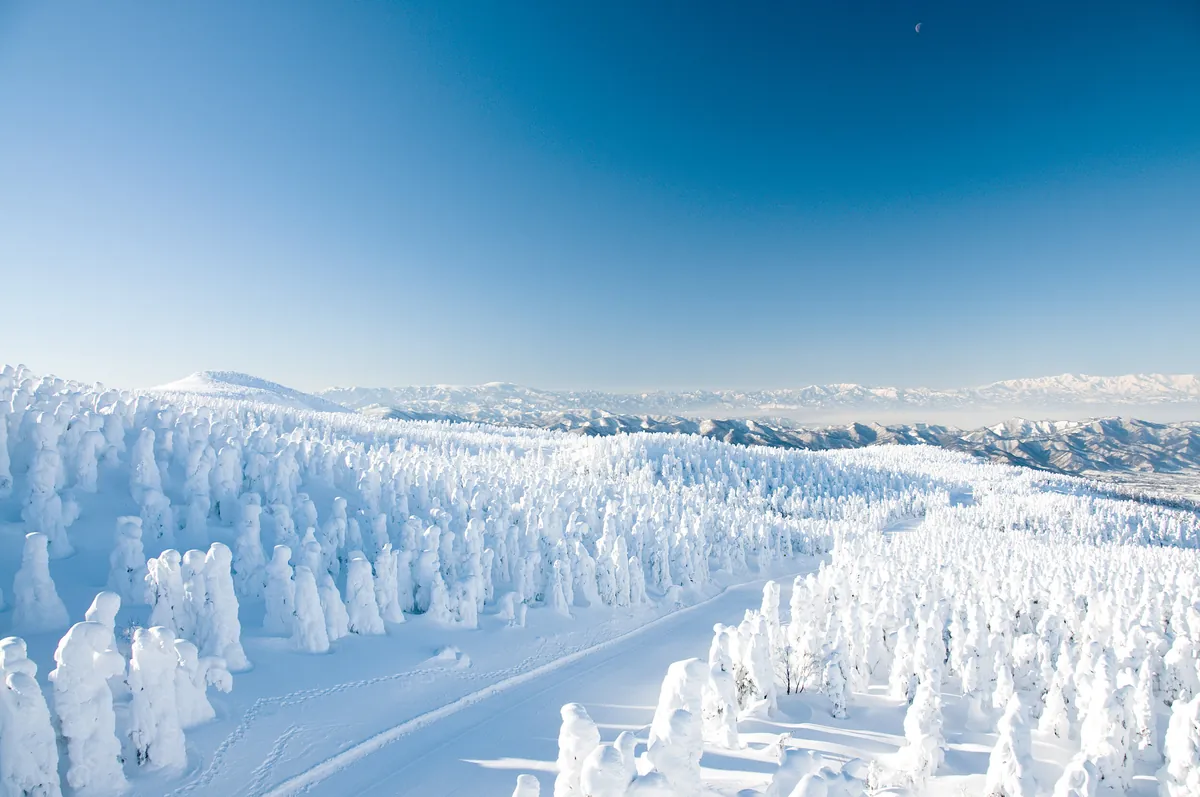
Zao sits on the border between Yamagata and Miyagi prefectures, and it's famous for something you won't find anywhere else on earth: juhyo, the "snow monsters." These aren't mythical creatures, though they look otherworldly enough to inspire legends. They're Maries' fir trees—a type of evergreen coniferous tree that grows wild in the Zao mountains—coated in layer upon layer of ice and snow.
The formation process is fascinating. Seasonal winds blow in from Siberia, collecting moisture as they cross the Sea of Japan. When these moisture-laden winds hit the subzero temperatures of Zao's peaks, that water vapor freezes onto the fir trees, building up into massive, ghostly shapes that can tower several meters high.
The best time to see them? Late January to mid-February, when the formations reach their peak and the illumination events transform the mountainside into something that looks more like a science fiction landscape than a ski resort.
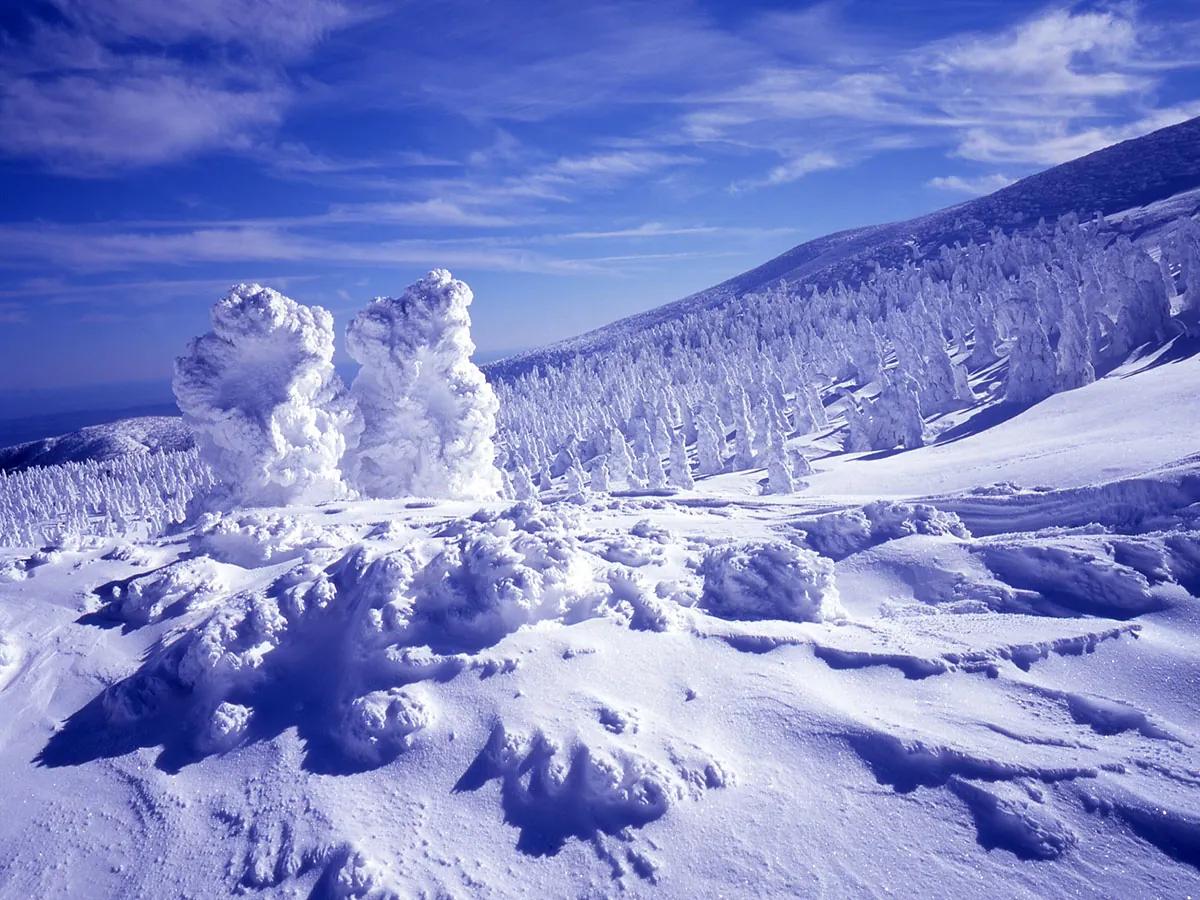
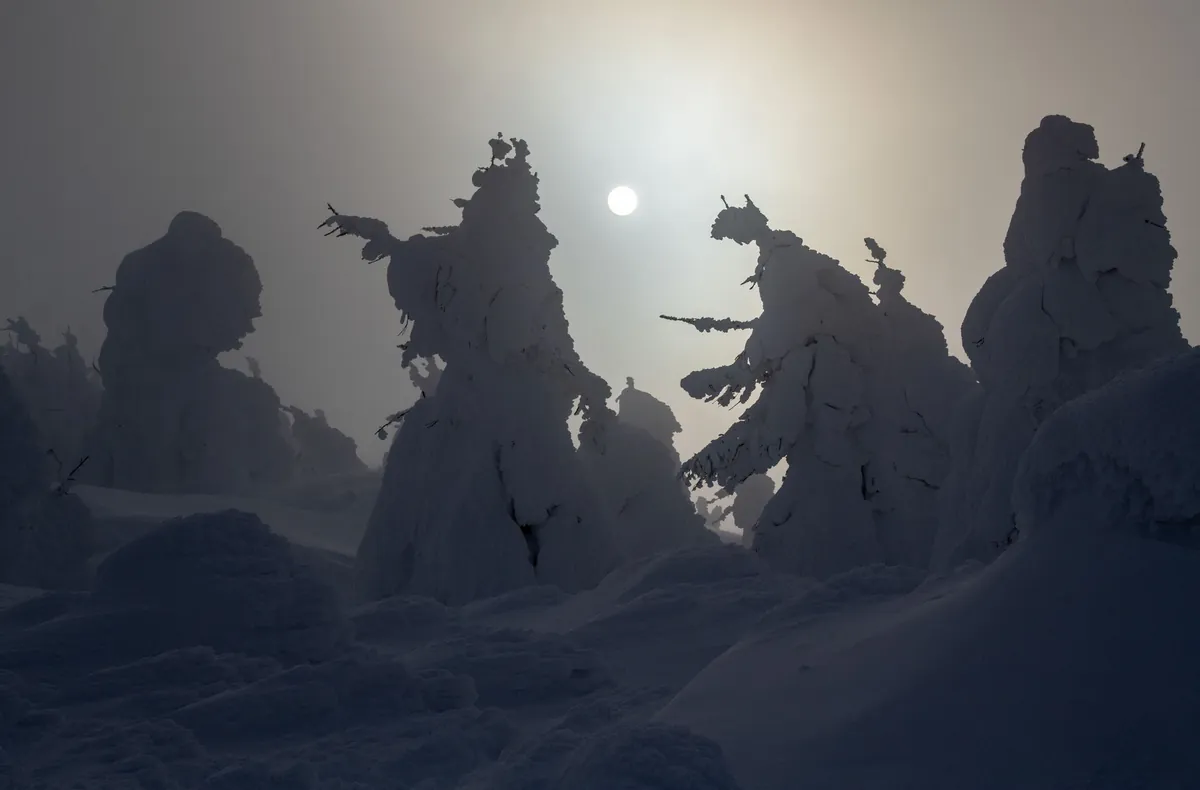
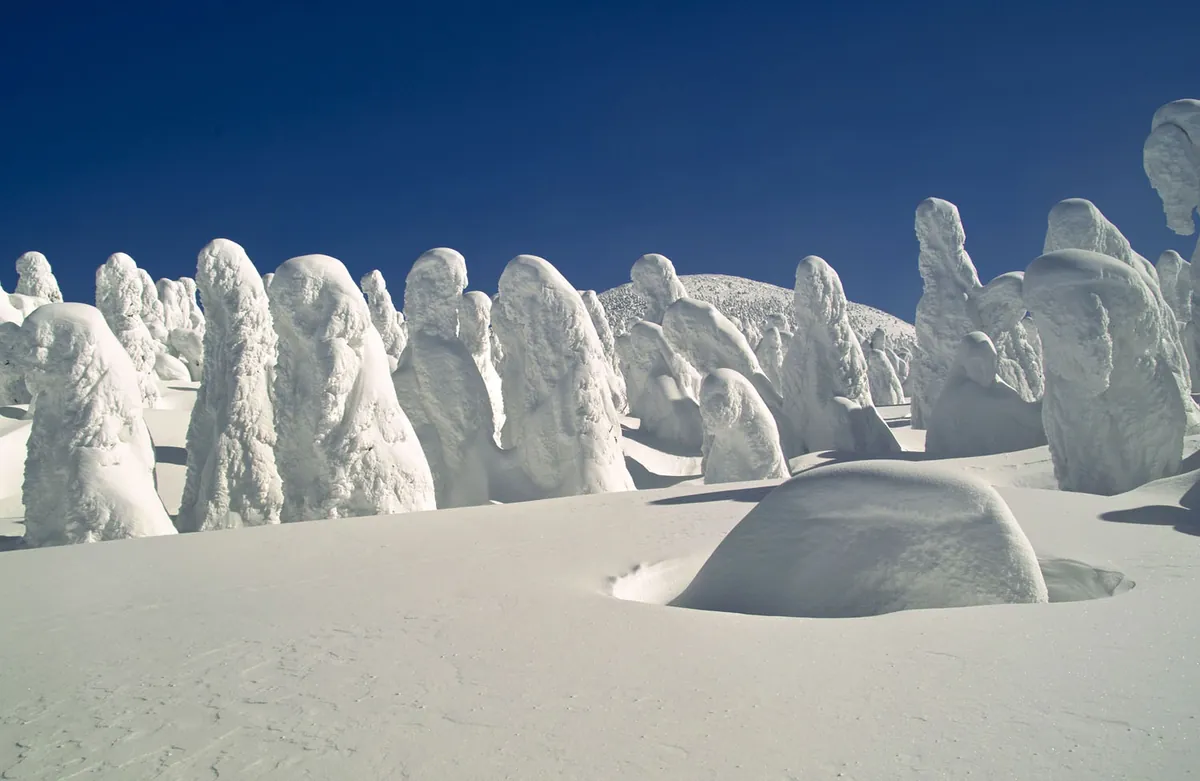
Zao's famous snow monsters (juhyo) - frozen trees transformed into otherworldly ice formations
But Zao's appeal goes far deeper than its photogenic snow monsters. The hot springs here were discovered 1,900 years ago—yes, you read that right. Nearly two millennia. During the Edo Period, these waters became renowned for their therapeutic benefits, thanks to their high sulfur content and natural acidity. The smell might take some getting used to, but the way your muscles feel after soaking following a day on the slopes? That's what keeps people coming back.
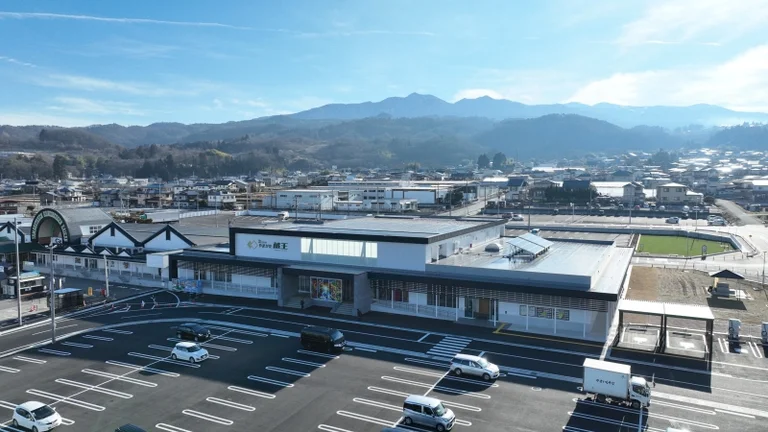
Yamagata Zaō
79-1 Omote-Zaō, Yamagata, Yamagata
Discover the Heart of Yamagata’s Natural and Cultural Spirit
The roadside station that opened here in December 2023 feels like it was designed specifically for the modern ski tourist who wants authenticity alongside convenience. The Tree Ice Hall brings the magic of juhyo indoors year-round—not a replacement for the real thing, but a wonderful introduction or a nostalgic reminder during the off-season.
What really sets this place apart is the Imoni Square, where you can participate in a traditional potato stew gathering. It's a hands-on experience that connects you to local food culture in a way that goes beyond just eating at a restaurant. You're cooking, sharing, participating in a ritual that Yamagata families have practiced for generations.
The selection of local delicacies is extraordinary. I'm talking about artisanal bûche de Noël, tree ice-inspired desserts, and specialty items you won't find anywhere else. The tree ice cream made from locally sourced mountain spring water and seasonal fruit purees is genuinely the only one of its kind in Japan.
Pro tip: Arrive between 9:00 AM and 10:30 AM on weekdays to secure a seat at the bakery counter. The fresh milk bread and seasonal pastries like chocolate escargot are baked daily and often sell out by 11:00 AM.
The Numbers That Matter
Let me put Zao's scale into perspective. The Yamagata Zao Onsen Ski Resort is the largest in the entire Tohoku region, covering 305 hectares with 14 slopes and 12 runs. The longest run stretches an impressive 10 kilometers—that's not a typo. It's the kind of run where you start at the top, carve your way down through changing terrain and snow conditions, and arrive at the bottom feeling like you've been on a genuine mountain journey, not just a ski slope.
The resort includes an FIS-certified ski jumping stadium built for the Inter-skiing Zaō tournament of 1979—a reminder that this isn't some casual weekend ski hill. This is a place where serious winter sports have been pursued at the highest levels for decades.
Best arrival time: During the illumination season (Fridays, Saturdays, and Sundays from late December through late February, plus holidays), get to the ropeway station by 4:30 PM to secure a spot for the evening ascent. The illuminated snow monsters are a sight that belongs on every skier's bucket list.
Crossing Into Fukushima: The Bandai Trilogy
Continuing south, I cross into Fukushima Prefecture and enter the domain of Mount Bandai. This region offers something different from both Hachimantai and Zao—a concentration of ski areas that gives you options, variety, and the ability to explore different mountains without traveling great distances.
There are 18 Aizu ski resorts scattered across this region, some on the impressive slopes of Mount Bandai itself, others on nearby Mount Adatara or around Lake Inawashiro. This density of options is rare in Japan, and it means you can spend a week here skiing a different resort every day.
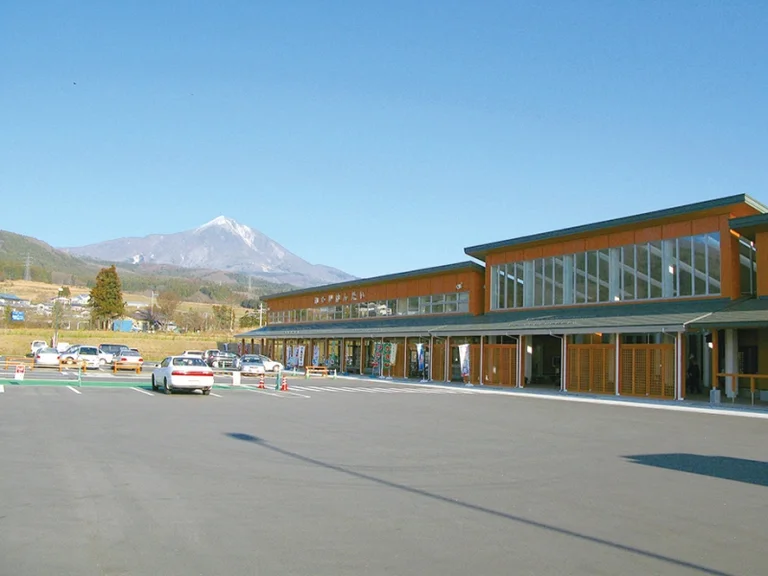
Bandai
Bandai-machi, Yama-gun, Fukushima, Japan
Discover the Heart of Fukushima’s Natural and Culinary Heritage
The Bandai roadside station captures the outdoor adventure spirit perfectly. The dedicated Montbell outdoor gear section isn't just for show—it's stocked with quality equipment because people actually use this place as a staging ground for mountain expeditions. The integration of serious outdoor culture with local food traditions creates an atmosphere that feels authentic to the region's character.
I'm particularly drawn to the Bandai Koro-kke Bread, a savory treat made with regional miso, and the whimsical Melon Bread inspired by the snow-capped peak of Bandai itself. These aren't generic tourist snacks—they're specific to this place, this mountain, this cultural moment.
The on-site bar features curated local sake and popular highballs from regional distilleries, perfect for après-ski relaxation. There's something deeply satisfying about ending a day on the slopes with a drink made from ingredients grown in the valleys you just spent the day looking down on.
Don't miss: The Aizu Ryo restaurant serves authentic regional cuisine, and the seasonal peaches (when available) and corn are legendary. The award-winning local honey makes an excellent gift or travel souvenir.
The Backside: Urabandai's Quieter Appeal
While the main Bandai station sits on the accessible southern approach, I always make time to visit Urabandai—literally "the backside of Bandai." This roadside station nestles at the foot of the mountain overlooking the serene Hirahara Lake, surrounded by forests and away from the main tourist flow.
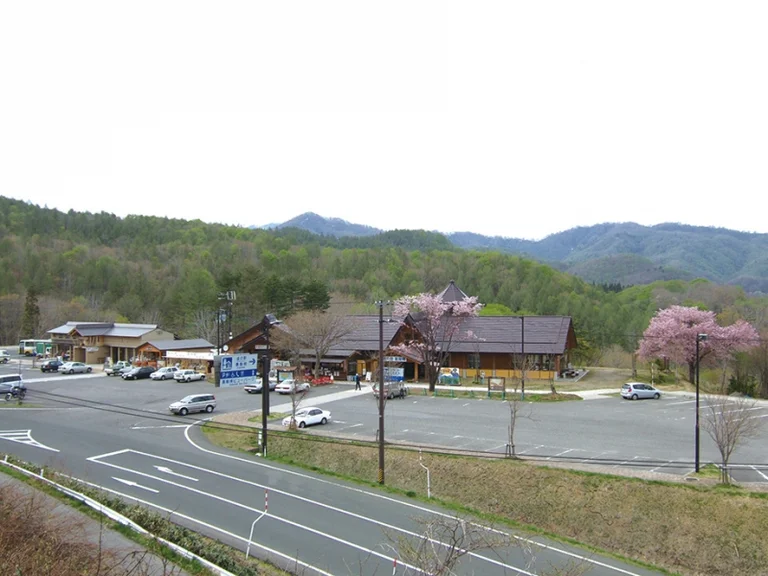
Urabandai
1157 Minamiōrenzawa-yama, Hinohara, Kitashiobara Village, Yama District, Fukushima
Discover the Heart of Nature and Local Flavor at Urabandai
The vibe here is different. Calmer. More contemplative. The freshly made soba at the restaurant tastes like it was made by someone's grandmother (which it might have been), and the beloved dango stall serves the kind of simple, perfect sweet that you didn't know you were craving until you tried it.
The forest ice cream parlor offers treats that incorporate local ingredients in unexpected ways—flavors that change with what's in season, what the local farms are producing, what the forests are yielding.
Timing note: The station operates with reduced hours during winter season and closes every Wednesday from November to April, so plan accordingly. But that seasonal rhythm is part of what makes this place feel connected to the natural world rather than fighting against it.
Lake Country: Inawashiro's Scenic Finale
My final stop brings me to the shores of Lake Inawashiro, one of Japan's largest lakes and a stunning geographical feature that transforms the character of winter sports here. Skiing with a massive frozen lake stretching out below you creates a sense of space and openness rare in mountain environments.
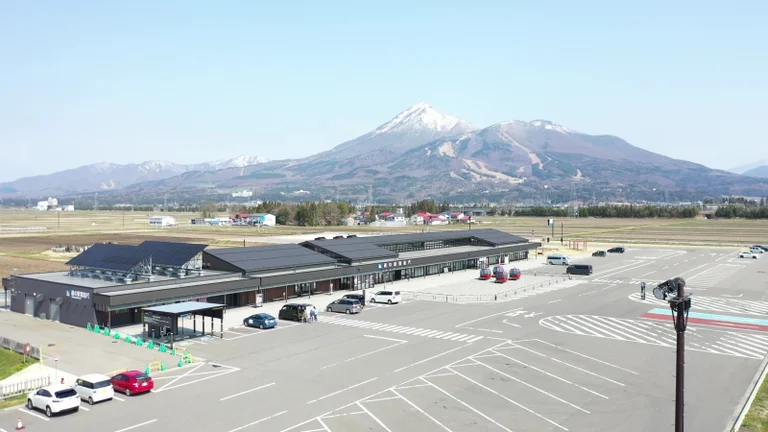
Inawashiro
1 Kataketa, Inawashiro Town, Yama District, Fukushima Prefecture
Discover the Heart of Kōgen and the Beauty of Mount Bandai
The Inawashiro roadside station sits just off the Bandai-Ōkura Interchange on the Ban-Iwaki Expressway, making it remarkably accessible. But accessibility hasn't diminished its authenticity. The station serves as a vital hub for travelers while maintaining deep connections to local culture.
The hand-made soba crafted from regional rice and buckwheat represents the kind of food craftsmanship that thrives in rural Japan—techniques passed down through generations, ingredients sourced from specific fields, preparation methods that can't be rushed or automated.
I'm equally impressed by the wood-fired pizza—yes, pizza in a roadside station in Fukushima. But when you taste it, you understand. The crust has that perfect char that only comes from a proper wood fire, and the toppings lean heavily on local produce and cheeses.
Unique find: The limited-edition Bandai Mountain-themed bandanas and collectible plush toys from the "Traveling Mame Shibah" collaboration make for memorable souvenirs that actually have regional specificity.
The dog park is a thoughtful addition for travelers with four-legged companions, and the RV park acknowledges the growing popularity of van life and mobile exploration in Japan.
The Snowboarding Scene
While I've focused primarily on skiing so far, Tohoku has evolved into a significant snowboarding destination. Alts Bandai hosts annual snowboarding competitions, drawing riders from across Japan and internationally. The resort's design accommodates modern snowboard park features while maintaining the classic Tohoku characteristic: incredible natural snow.
The far-reaching nature of Tohoku means different resorts cater to different riding styles. Zao's tree runs offer powder stashes for experienced riders willing to venture off-piste. Hachimantai's groomed runs provide perfect terrain for perfecting technique. Bandai's variety means progression—places to learn, places to challenge yourself, places to session features until you nail that trick you've been working on.
What ties it all together is the snow itself. Tohoku boasts some of the heaviest snowfalls in Japan, fed by those same Siberian winds that create Zao's snow monsters. The snow quality—that legendary Japow (Japanese powder)—is as good as it gets anywhere in the world.
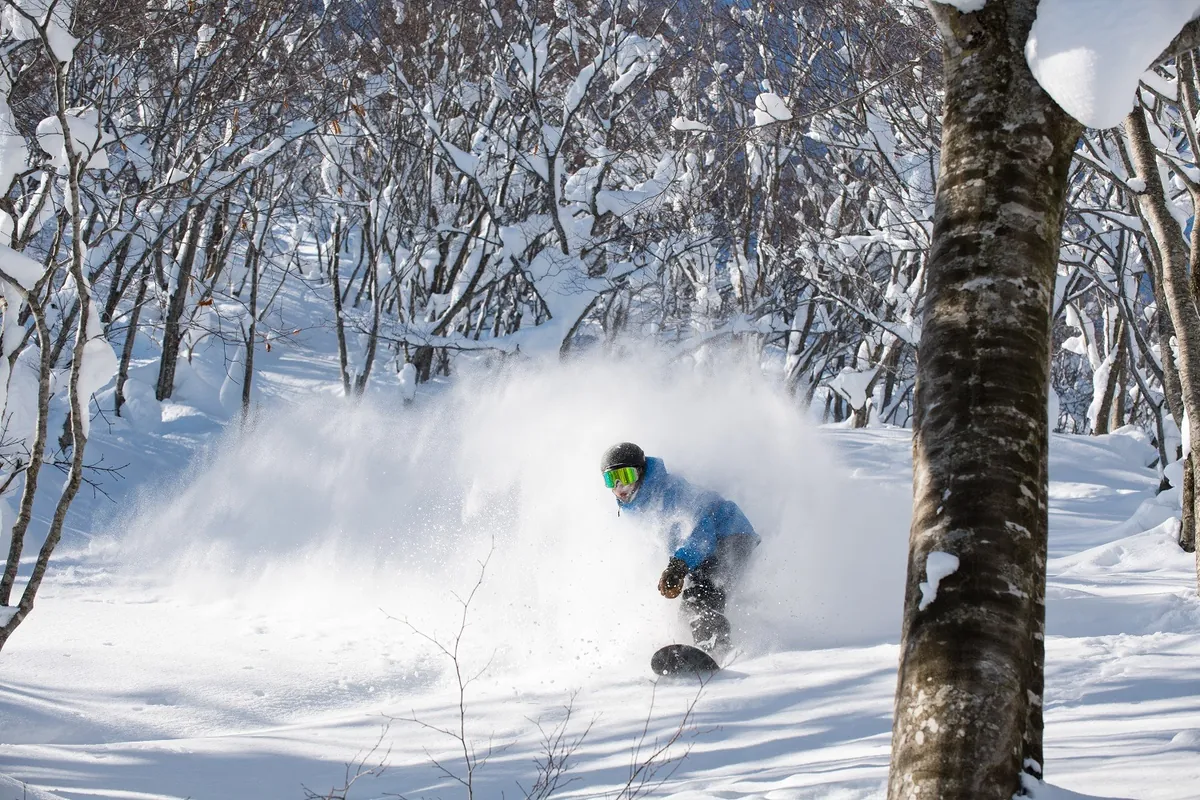
Deep powder skiing through Zao's legendary tree runs
Beyond the Slopes
Here's what makes this journey through Tohoku's ski country different from a trip to, say, Niseko or Hakuba: the cultural immersion feels less curated, more organic. These roadside stations aren't tourist attractions that happen to sell local products—they're community hubs that tourists are welcome to visit.
The traditional ryokan inns scattered throughout the region offer opportunities to experience Japanese hot springs, cuisine, and lifestyle before and after your time on the mountain. The contrast between modern skiing facilities and centuries-old hospitality traditions creates a layered experience that goes far deeper than just collecting vertical meters.
The food scene deserves special mention. From Hachimantai's farm-to-table philosophy to Zao's imoni tradition to Bandai's Aizu cuisine, each area has distinct culinary identity. Skiing through Tohoku becomes a gastronomic journey as much as an athletic one.
Planning Your Own Powder Pilgrimage
If you're considering following this route yourself, here's my honest advice:
Timing is everything. The core ski season runs from December through early April, but the sweet spot is late January through mid-February when Zao's snow monsters are at their peak and snow coverage is reliable across all the resorts.
Budget at least a week if you want to meaningfully experience multiple areas. The distances aren't huge, but rushing from resort to resort means missing the slower pleasures—the hot springs, the local restaurants, the chance encounters with locals at the roadside stations.
Consider renting a car. Public transportation exists, but these roadside stations are designed for road trippers. The freedom to stop when something catches your eye, to take detours, to move at your own pace—that's the essence of this journey.
Learn a few Japanese phrases. While major resorts have English support, the roadside stations are delightfully local. Basic politeness phrases and food vocabulary will enhance your experience immeasurably.
The Enduring Appeal
Standing at Yamagata Zao's newly opened roadside station, looking up at the mountains that have drawn skiers for over a century, I'm struck by what hasn't changed. The snow still falls heavy and deep. The hot springs still steam in the frozen air. The mountains still offer that perfect combination of challenge and beauty.
What has changed—evolved, really—is the infrastructure that makes these experiences accessible while preserving their essential character. These roadside stations aren't interrupting the mountain experience; they're enhancing it, providing comfort and cultural context without demanding that you sacrifice authenticity.
From Hachimantai's mining heritage to Zao's ancient hot springs to Bandai's concentration of ski options, Tohoku's winter landscape tells a story that's at once deeply historical and vibrantly current. It's a region that pioneered skiing in Japan and continues to offer some of the country's best winter experiences.
The powder may be legendary, but it's the people, the food, the traditions, and yes, even the roadside stations, that transform a ski trip into something richer—a genuine journey through one of Japan's most culturally and geographically distinctive regions.
Next time someone asks me about skiing in Japan, I won't point them to the famous names everyone already knows. I'll tell them about a mining town that became a ski resort, about trees that transform into monsters, about five roadside stations that connect a century of winter tradition. I'll tell them about Tohoku.
Featured Stations: In-Depth Highlights
Of the 5 stations on this route, we've highlighted 5 exceptional stops that truly embody the region's unique character. Each offers unique experiences worth making time for.
Nishine
Ohfure 2-154-36, Hachimantai, Iwate
Taste the Heart of Rural Japan at Nishine Roadside Station
Yamagata Zaō
79-1 Omote-Zaō, Yamagata, Yamagata
Discover the Heart of Yamagata’s Natural and Cultural Spirit
Bandai
Bandai-machi, Yama-gun, Fukushima, Japan
Discover the Heart of Fukushima’s Natural and Culinary Heritage
Urabandai
1157 Minamiōrenzawa-yama, Hinohara, Kitashiobara Village, Yama District, Fukushima
Discover the Heart of Nature and Local Flavor at Urabandai
Inawashiro
1 Kataketa, Inawashiro Town, Yama District, Fukushima Prefecture
Discover the Heart of Kōgen and the Beauty of Mount Bandai
Jessica Muller
European travel writer based in Japan for the past four years. Explores rural communities and regional culture across the country, bringing authentic stories of local life to Western readers.