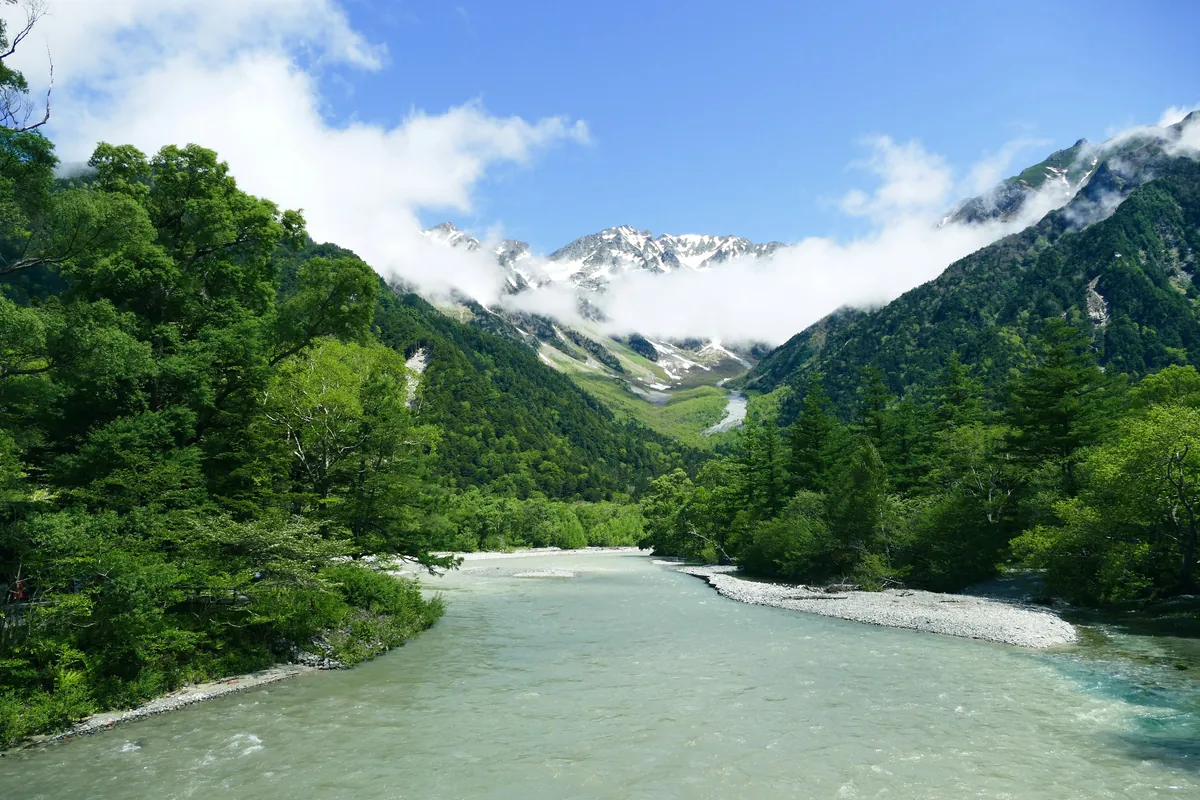
The famous highways connecting Tokyo, Osaka, and Kyoto carry millions of travelers each year, but they miss something essential. Between these well-worn paths, Central Japan's lesser-known roadside stations preserve stories that predate modern tourism by centuries. This 350-kilometer journey through Gifu, Nagano, and Niigata prefectures reveals six hidden gems where ancient household registries, world-champion rice, and Nobel Prize-winning cutlery tell the real story of rural Japan.
Most travelers following the standard routes never discover these places. They're the stations where a 1,300-year-old document connects modern visitors to Japan's earliest legal codes, where farmers' rice has defeated 5,000 competitors for a decade straight, and where metalworkers forge the very cutlery served at Stockholm's annual Nobel Banquet. Off the beaten path in Japan's Alpine heartland, these roadside stations aren't just rest stops—they're living museums of craftsmanship, agriculture, and historical preservation.
Central Japan's Hidden Roadside Stations
A 350-kilometer journey through Gifu, Nagano, and Niigata prefectures, discovering lesser-known roadside stations that preserve Japan's ancient crafts and culinary traditions.
From southern Gifu's persimmon orchards to northern Niigata's birthplace of the entire michi no eki movement, this route follows the spine of the Japanese Alps northward, connecting threads of history that most guidebooks overlook.
The Persimmon Keeper: Where 80 Varieties Tell a 1,300-Year Story
The approach to Fuyu Kaki no Sato Itonuki in southern Gifu reveals something unexpected: rows upon rows of persimmon trees stretching across hillsides, their branches heavy with fruit ranging from deep orange to pale yellow. This isn't just another fruit market. The roadside station sits at the heart of a region that produces 25% of Japan's entire persimmon harvest, a tradition that began when these trees first arrived from China in the 7th century.
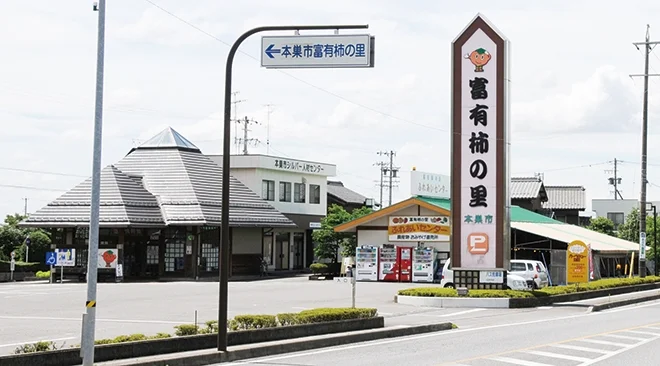
Fuyu Kaki no Sato Itonuki
18-2 Kamihoke, Motosu City, Gifu Prefecture
Savor the Essence of Autumn in the Heart of Mino
What makes this station remarkable isn't just volume—it's variety. The adjacent Persimmon Exhibition Garden showcases 80 different cultivars from around the world, from the locally dominant Fuyu variety to rare specimens like 'Hakuto' and 'Shogun' that exist nowhere else in the region. Walking these paths in autumn, when fruits ripen at different rates, reveals the incredible diversity within a single species. Some persimmons are squat and round, others elongated. Colors range from sunset orange to nearly translucent yellow.
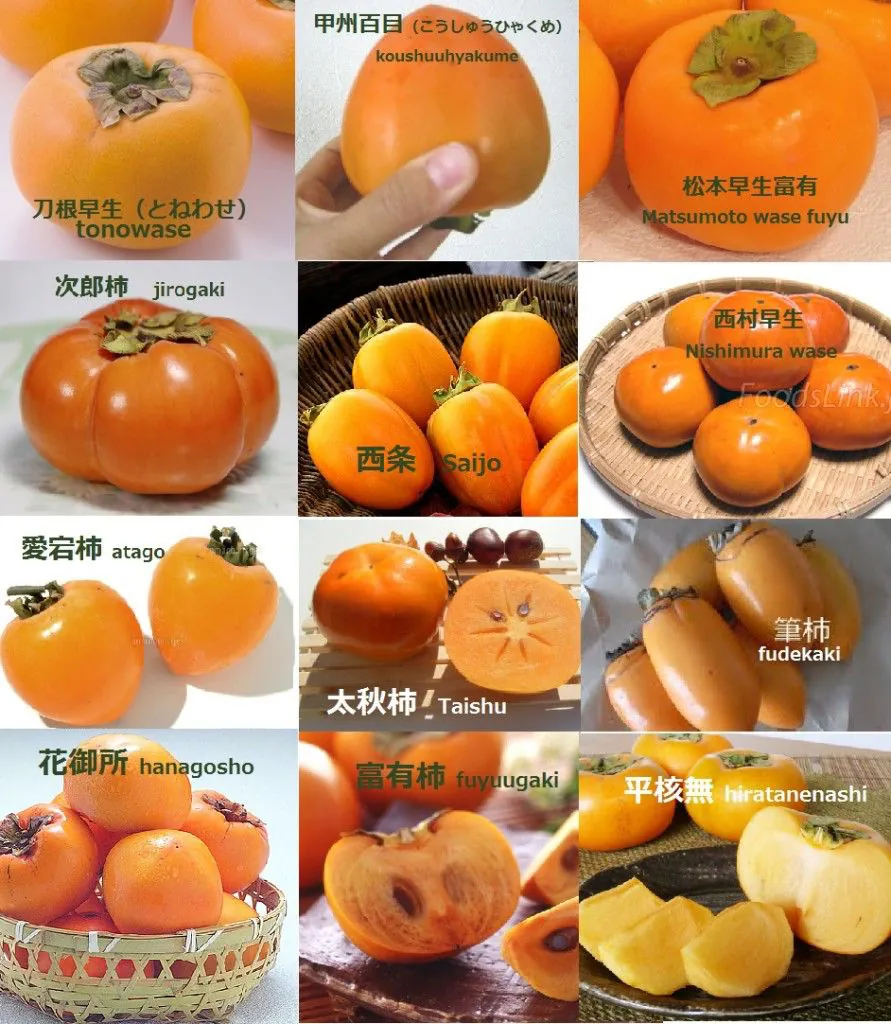
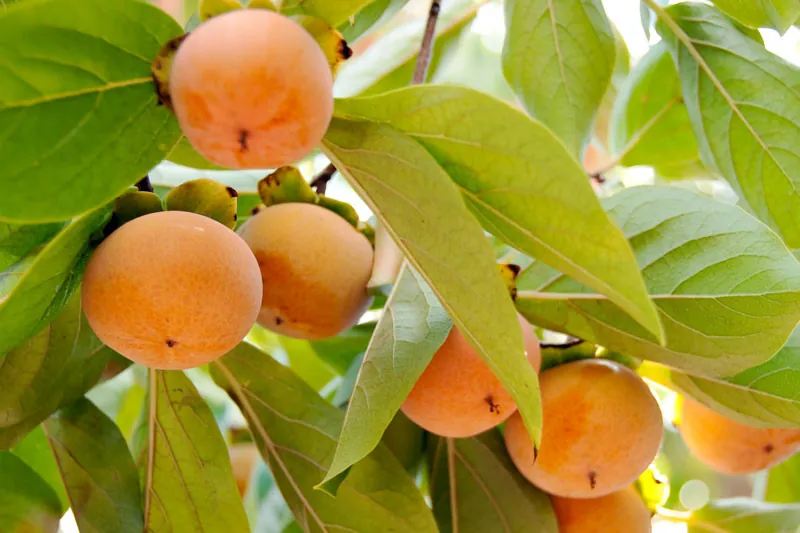
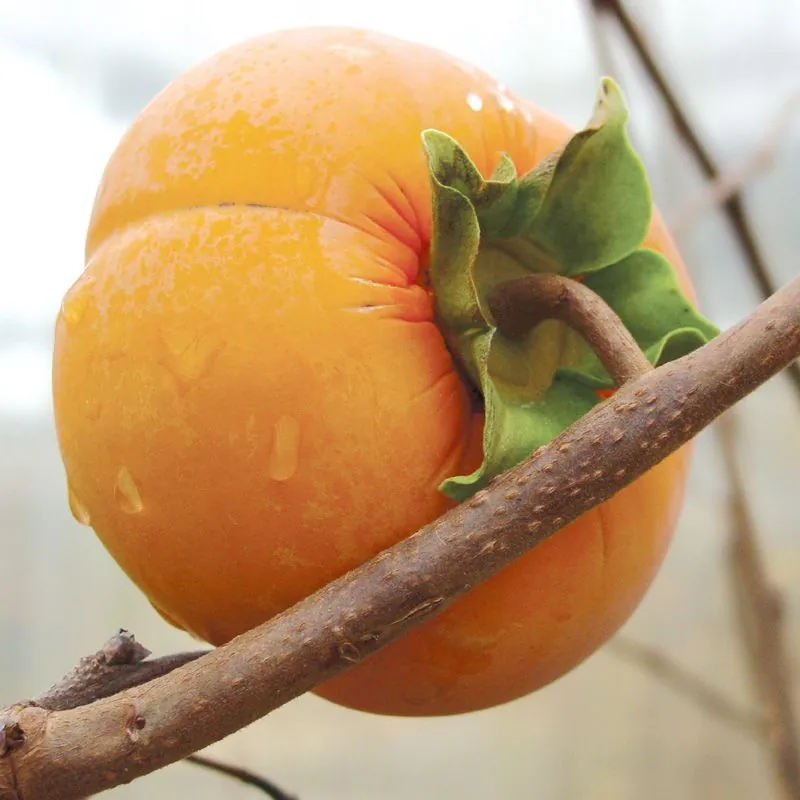
Fuyu persimmons ripening on the tree showing their distinctive flattened shape and vibrant orange color
The transformation from astringent to sweet tells a centuries-old story. During the Kamakura period (1185–1333), farmers developed techniques to create amagaki—sweet persimmons that could be eaten fresh rather than dried. The Fureai Center beside the station continues this tradition, producing handmade persimmon jam and kakigori (persimmon rice cakes) that sell out by midday. Arrive before 10:00 AM on weekdays to secure the day's batch before word spreads among locals.
The nearby Kakigori Museum and Ancient Tomb connects this agricultural heritage to the region's deeper past. Here, persimmon cultivation intertwines with burial mounds dating back over a millennium, suggesting these trees have witnessed more history than most buildings in Japan.
Ancient Records in a Living Village
Thirty kilometers northeast, the landscape shifts from fruit orchards to rice paddies as Route 418 winds toward Happuri no Sato Tomika. The roadside station's design immediately signals something different—earthy tones and traditional Asuka-period architectural motifs that seem transported from Japan's 7th-century past.
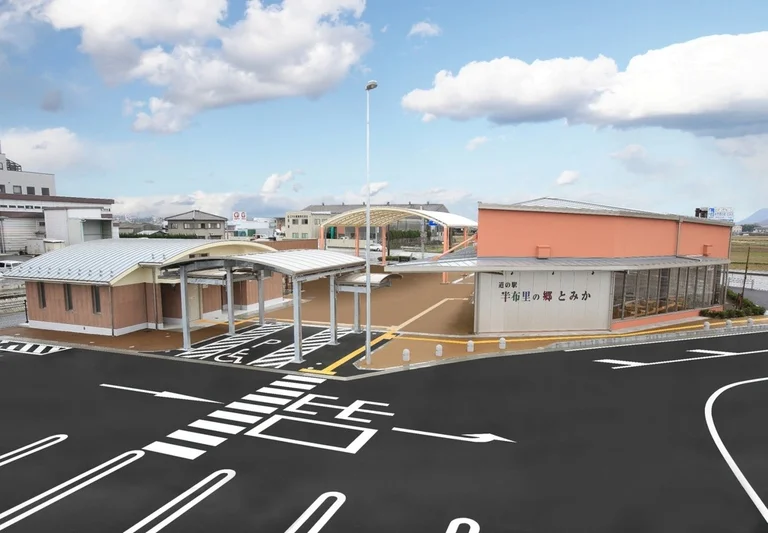
Happuri no Sato Tomika
2174-1 Hanyu, Tomika-cho, Kamo-gun, Gifu Prefecture
Step into a Living History of Rural Japan
This isn't architectural nostalgia. The station stands on historically significant ground: the site of the "Mino Kuni Hanaburi Koseki," Japan's oldest surviving household registry. Created in 702 CE under the newly established Taihō Code—Japan's first nationwide legal system—this document represents the dawn of organized civil administration. Until 2012, when archaeologists discovered a wooden fragment from the late 7th century, this registry held the title of Japan's oldest surviving administrative document.
The weight of 1,300 years presses gently here, not as museum sterility but as living practice. The multipurpose plaza hosts seasonal events where traditional crafts are demonstrated using methods unchanged since the Asuka period. On weekends, the scent of freshly baked wa'ka bread from the Tomika Wakkapan Bakery fills the air—a traditional wheat-based flatbread made with heirloom grains from local farmers, available only here.
At the "Ko no Daidokoro" restaurant, the past meets present in dishes featuring Mino Healthy Pork, raised in these same valleys that once fed the administrators who maintained those ancient registries. The pork miso stew bento, served in lacquered boxes, connects modern travelers to an unbroken chain of local food culture.
The Taihō Code that gave birth to that 702 CE registry established principles that shaped Japanese governance for centuries. Here, in a roadside station surrounded by rice fields and distant mountains, that administrative history feels less like ancient text and more like the foundation beneath modern rural life.
Crossing into the Alps: Where Oyaki Meets History
The route continues northeast into Nagano Prefecture, where the landscape transforms dramatically. Mountains rise higher, valleys deepen, and the air carries a crisp alpine edge. At 1,100 meters elevation, between Nagano City and the famous ski resort of Hakuba, Ogawa roadside station commands views of the Northern Alps that stop travelers mid-stride.
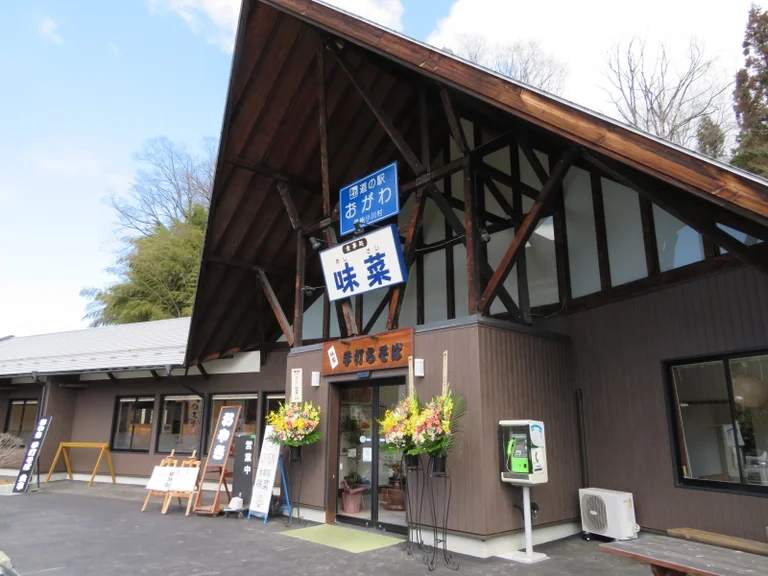
Ogawa
1502-2 Takafuku, Ogawa Village, Kamiminochi District, Nagano Prefecture
Discover the Heart of the Japanese Alps at Ogawa Roadside Station
The panoramic views from the Alps Viewing Plaza reveal snow-capped peaks that dominate the horizon year-round, but this station's real treasure requires stepping inside. The reconstructed former governor's residence, now a heritage museum, preserves the personal effects and original artwork of renowned artist Fujinaga Ichirō. His color pencil drawings capture the interplay of light on these very mountains, visible through the residence's traditional paper windows.
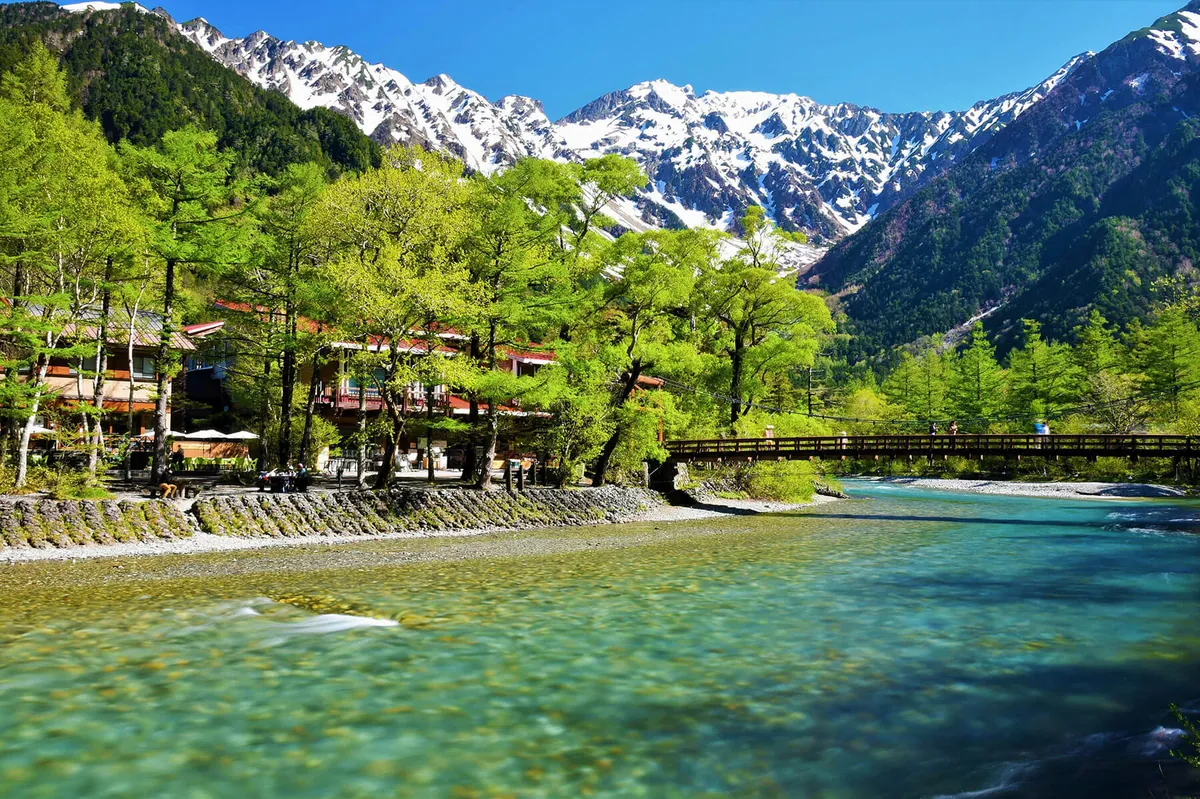
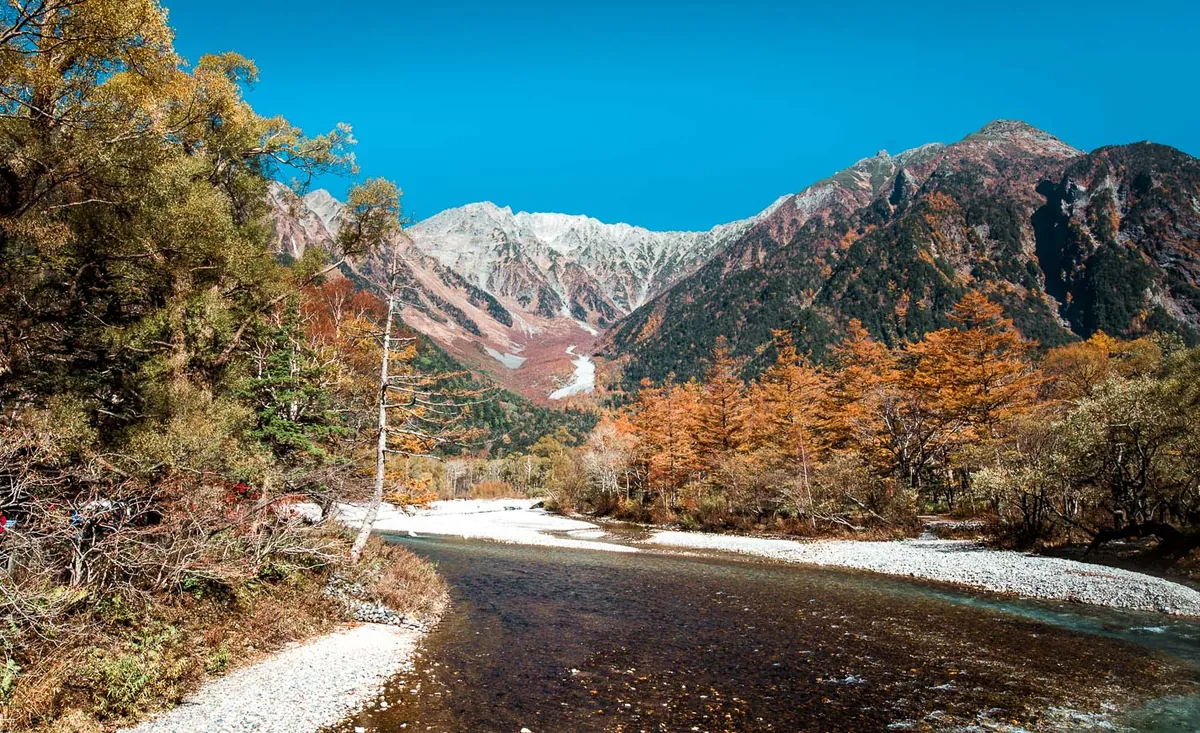
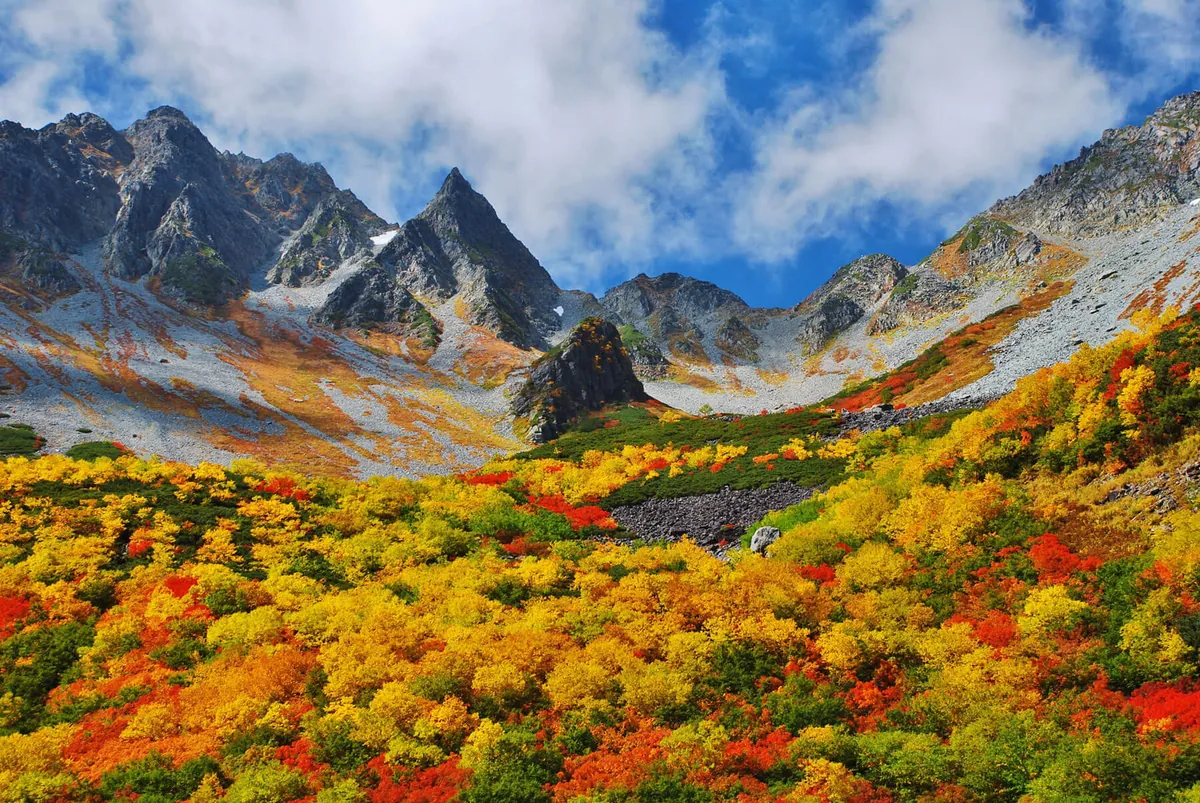
The Northern Alps rising majestically above Nagano's highland valleys
But most visitors come for something more immediate: handmade oyaki, Nagano's signature mountain food. At the station's Oyaki Village, these stuffed dumplings are grilled over traditional hearths using methods passed down through generations. Unlike the mass-produced versions sold elsewhere, these oyaki are prepared in small batches throughout the day, each one hand-folded and filled with seasonal ingredients—mushrooms and potatoes in autumn, wild vegetables in spring.
The adjacent Sansan Market reveals why this region's oyaki taste different. Local farmers bring mountain vegetables, artisanal pickles, and traditionally fermented soy sauce and miso—the very ingredients that define regional cuisine. The women's cooperative "Nō no Hana" produces ego, a local pickle available only during spring and summer, made using techniques their grandmothers taught them.
On weekend mornings before noon, arrive early to watch the oyaki being prepared. The rhythmic folding of dough, the selection of fillings, the careful placement over glowing coals—these actions connect to centuries of mountain cooking, when hearty, portable food meant survival during harsh alpine winters.
The Champion Fields of Kijimadaira
Further northeast, deeper into Nagano's highlands, the landscape opens into expansive rice paddies. This is Kijimadaira Village, where appearances deceive. These seemingly ordinary fields produce something extraordinary: rice that has won gold medals for ten consecutive years at the International Contest on Rice Taste Evaluation, Japan's largest rice competition featuring over 5,000 entries annually.
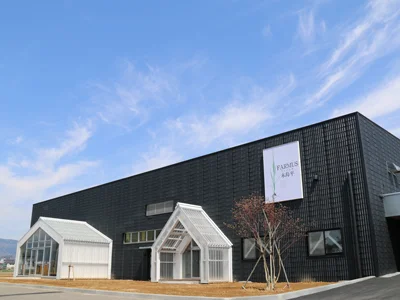
FARMUS Kijimadaira
38-1 Kamikijima, Kijimadaira Village, Shimotakai District, Nagano Prefecture
Taste the Heart of Japanese Agriculture
The statistics tell part of the story: only 0.4% of rice farmers receive this honor even once. To achieve it ten years running requires something beyond luck or good soil. At FARMUS Kijimadaira, that something becomes tangible in every meal served at the station's restaurant, where the award-winning rice forms the foundation of each dish.
What makes Kijimadaira rice exceptional isn't immediately obvious from tasting alone, though its sweetness and perfect texture stand out. The secret lies in the elevation—around 600 meters—where cool nights and warm days create ideal conditions for slow, steady growth. The rice develops deeper flavor compounds, a characteristic amplified by the pristine snowmelt from the Northern Alps that irrigates these fields.
The roadside station celebrates this agricultural excellence through transparency. Visitors can participate in hands-on rice milling experiences every weekend, watching as rough brown rice transforms into polished white grains. The on-site shop sells the championship rice directly, often packaged within hours of polishing to preserve maximum freshness.
But FARMUS Kijimadaira offers more than rice. The station's farm-to-table philosophy extends to seasonal vegetables, dairy products from local Jersey cows, and the station's signature milk bread, baked fresh each morning and typically sold out by 11:00 AM. The bread's texture—impossibly soft yet structured—demonstrates what local ingredients can achieve in skilled hands.
This isn't hobby farming or agricultural nostalgia. These are farmers competing at international levels, bringing the same precision and dedication that Olympic athletes apply to their craft. The taste of that championship rice, served in a simple bowl with nothing more than a sprinkle of salt, carries the weight of a decade's excellence.
Where Metal Becomes Art: The Craftsmen of Tsubame-Sanjo
The route continues north into Niigata Prefecture, leaving the high mountains for the productive plains where the Shinano River has nurtured communities for centuries. The landscape shifts again—less dramatic perhaps, but rich with human history. At Tsubame-Sanjo Local Products Center, that history takes physical form in metal.
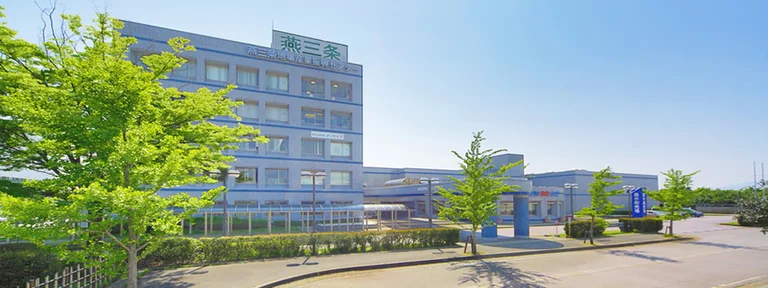
Tsubame-Sanjo Local Products Center
1-17 Sugoro, Sanjo-shi, Niigata-ken
Discover the Heart of Japanese Craftsmanship at Tsubame-Sanjo Local Products Center
This region produces 95% of all tableware made in Japan, but statistics barely capture the significance. The metalworking tradition began in the early 17th century, when farmers struggling with poor harvests from frequent Shinano River flooding turned to supplementary trades. The local governor hired blacksmiths from Edo (modern Tokyo) to teach nail-making, a decision that would shape regional identity for four centuries.
What began with simple nails evolved into something extraordinary. In 1816, artisan Kakubei Tamagawa founded Gyokusendo, bringing the tsuiki hammering technique—where vessels are created from flat copper sheets through patient, rhythmic striking. Today, Tsubame is the only area in Japan still producing copperware using this traditional technique, and the region's cutlery appears on tables worldwide.
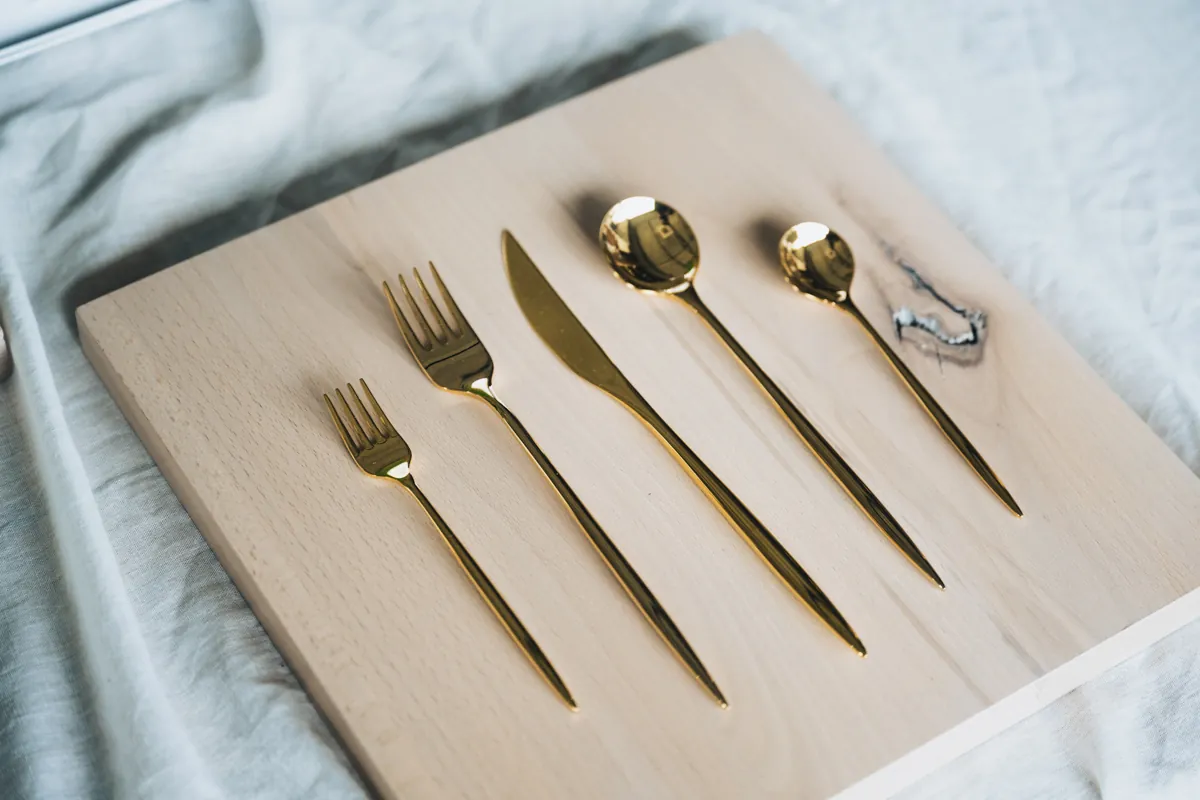
The pinnacle of this craft's recognition? Every year, the cutlery used at Stockholm's Nobel Banquet—the formal dinner following the Nobel Prize ceremony, attended by royalty, laureates, and world leaders—comes from Tsubame-Sanjo. By 1950, this rural region had become the world leader in stainless-steel cutlery, a position it maintains today through relentless quality standards.
At the roadside station's product hall, visitors can hold these masterpieces: hand-forged knives balanced to perfection, copper sake vessels that enhance flavor through metal's subtle properties, and cutlery so precisely crafted it seems to anticipate your hand's movement. The weight, the balance, the way edges catch light—each piece reveals decades of accumulated knowledge.
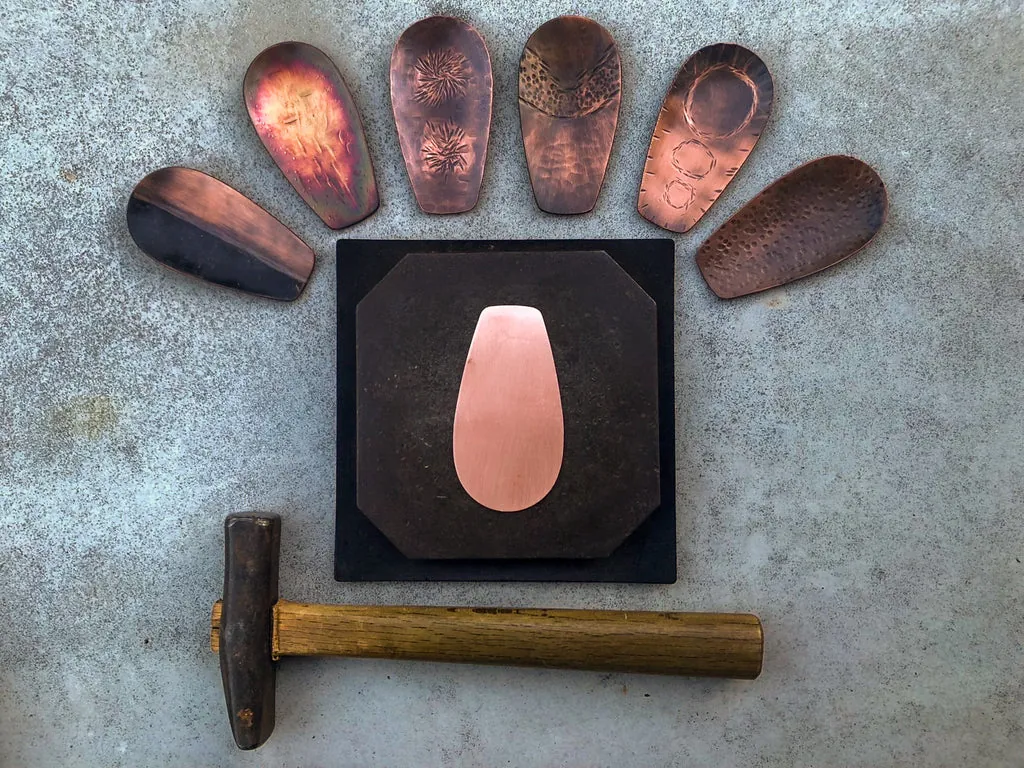

Master craftsman demonstrating the traditional tsuiki hammering technique on copper
Tsubamesanjo Bit, the station's Italian restaurant, takes this metalwork philosophy into cuisine. Here, seasonal local ingredients are served on bespoke tableware crafted by regional artisans, creating a dining experience where food and vessel achieve harmony. The exclusive "Fe" dessert—made with edible metal derived from the same steel used in traditional cutlery—sounds gimmicky but tastes revelatory, the metal adding an iron note that enhances chocolate's depth.
On weekends between 11:30 AM and 12:30 PM, the restaurant offers special lunch sets featuring projection-mapped dining experiences that tell the story of metalworking through light and shadow on your table. It's theatrical, yes, but it's also education—understanding how metal transforms through heat and force before that knowledge manifests as the fork in your hand.
The Beginning: Where It All Started
The final station completes a circle of sorts. Twenty kilometers north of Tsubame-Sanjo, along National Route 7, Toyosaka roadside station occupies a special place in michi no eki history: it calls itself "The Birthplace of Roadside Stations."
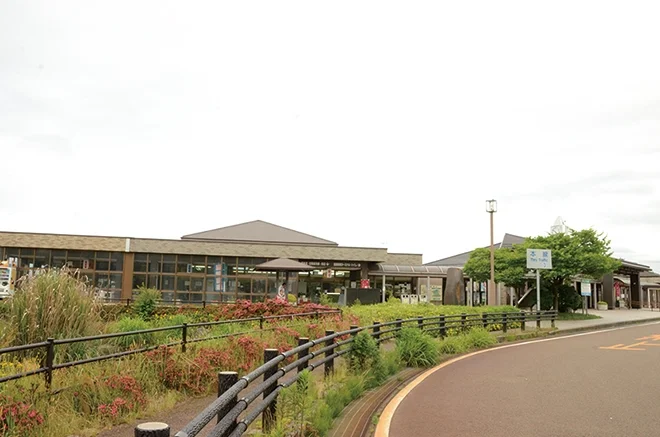
Toyosaka
3644-otsu Kizaki-kiji Okuyama, Kita Ward, Niigata City, Niigata
Discover the Birthplace of Japan’s Roadside Station Movement
The designation requires explanation. Experimental rest stops began in Yamaguchi, Tochigi, and Gifu prefectures in October 1991, testing concepts that would become the roadside station system. On February 23, 1993, the official michi no eki program was established, and on April 22, 1993, the first 103 stations were registered—Toyosaka among them. While not literally the first to open, Toyosaka has positioned itself as the spiritual birthplace, the place where the movement's ideals found fullest expression.
What were those ideals? More than rest stops, michi no eki were conceived as community hubs connecting travelers with regional culture, agriculture, and identity. At Toyosaka, that mission unfolds across a sprawling complex featuring a 10,000-square-meter natural park, farmers' market, and multiple dining options showcasing Niigata's agricultural wealth.
The station's signature dish—Jumbo Fox Soba, a generously portioned bowl of thick handmade udon noodles—has become regionally famous, the kind of comfort food that draws locals from surrounding towns. But the real draw might be simpler: freshly made rice balls using Niigata's celebrated Koshihikari rice, each one hand-shaped and filled with traditional ingredients. These sell out by 10:00 AM on weekends, despite the kitchen producing them continuously from opening.
The farmers' market operates with the energy of a community gathering rather than a commercial transaction. Local producers bring morning-harvested vegetables, seasonal fruits (especially pears and grapes in autumn), and handmade products like Jersey cow milk ice cream from nearby pastures. The market's appeal lies not in exotic ingredients but in this direct connection—buying vegetables from the hands that grew them, learning preparation tips from the farmers themselves.
Walking Toyosaka's natural park paths on a clear morning, watching families picnic beneath deciduous trees while the distant mountains frame the horizon, the roadside station concept's genius becomes clear. This isn't about efficiency or convenience. It's about creating spaces where travel slows enough for genuine connection—to place, to people, to the particular character of a region that highway rest stops erase.
The Hidden Path Through History
These six stations span 350 kilometers and three prefectures, but the real distance is temporal: from 7th-century household registries to 21st-century metalwork innovations, from ancient persimmon cultivation to modern rice championships. Most travelers racing between major cities miss these stories entirely, their GPS routing them along the fastest paths.
But Japan's authentic character lives in these detours. In the artisan who spends weeks hammering a single copper vessel, maintaining techniques most workshops abandoned decades ago. In the farmer who studies soil chemistry with scientific precision to coax championship rice from ancient paddies. In the baker who arrives at 4:00 AM to proof *wa'ka bread* using wheat varieties that predate modern agriculture.
The hidden roadside stations of Central Japan preserve what efficiency threatens to erase: the particular, the local, the irreplaceable expressions of place that make travel meaningful rather than merely movement. The Nobel Banquet cutlery, the decade-winning rice, the 1,300-year-old administrative document—these aren't museum pieces. They're living practices, continuing traditions, active demonstrations that excellence doesn't require fame.
The great highways will always exist, carrying traffic efficiently from point to point. But between those points, along the mountain roads that follow older routes, these stations keep watch over stories too important to lose. They wait for travelers willing to take the slower path, the hidden route, the road that reveals Central Japan not as a region to cross but as a place to understand.
Featured Stations: In-Depth Highlights
Of the 6 stations on this route, we've highlighted 6 exceptional stops that truly embody the region's unique character. Each offers unique experiences worth making time for.
Fuyu Kaki no Sato Itonuki
18-2 Kamihoke, Motosu City, Gifu Prefecture
Savor the Essence of Autumn in the Heart of Mino
Happuri no Sato Tomika
2174-1 Hanyu, Tomika-cho, Kamo-gun, Gifu Prefecture
Step into a Living History of Rural Japan
Ogawa
1502-2 Takafuku, Ogawa Village, Kamiminochi District, Nagano Prefecture
Discover the Heart of the Japanese Alps at Ogawa Roadside Station
FARMUS Kijimadaira
38-1 Kamikijima, Kijimadaira Village, Shimotakai District, Nagano Prefecture
Taste the Heart of Japanese Agriculture
Tsubame-Sanjo Local Products Center
1-17 Sugoro, Sanjo-shi, Niigata-ken
Discover the Heart of Japanese Craftsmanship at Tsubame-Sanjo Local Products Center
Toyosaka
3644-otsu Kizaki-kiji Okuyama, Kita Ward, Niigata City, Niigata
Discover the Birthplace of Japan’s Roadside Station Movement
Jessica Muller
European travel writer based in Japan for the past four years. Explores rural communities and regional culture across the country, bringing authentic stories of local life to Western readers.