
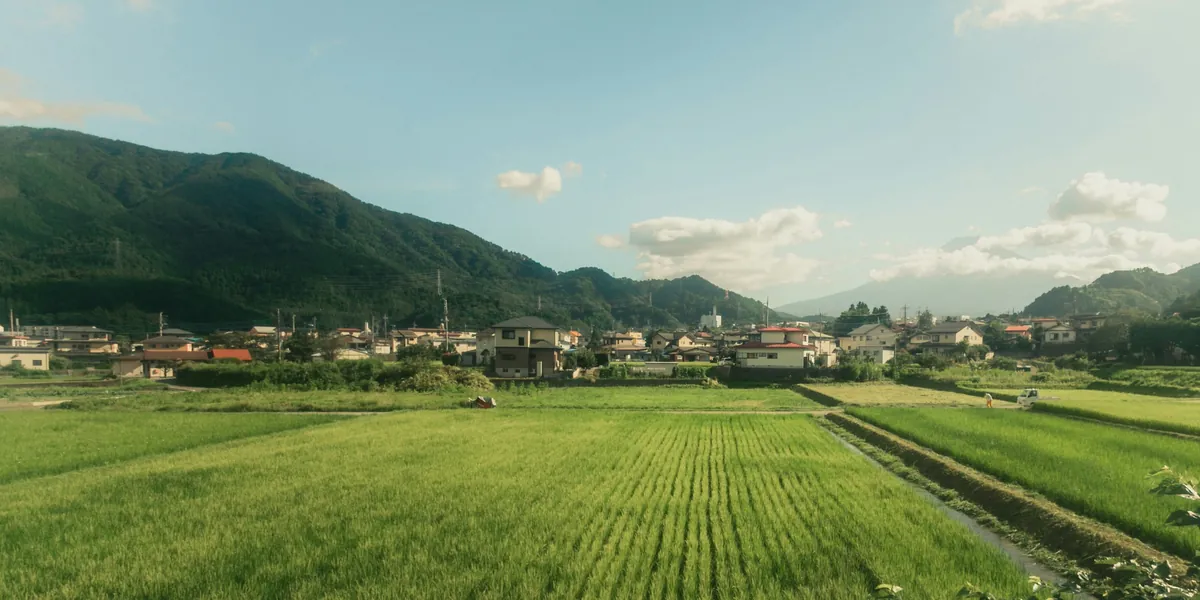
The laptop screen glows softly in the pre-dawn darkness, my fingers tapping out emails as steam rises from a thermos of coffee. Outside the car window, Mount Bandai emerges from the mist, its silhouette sharpening against the pale sky. This is my office this morning—a parking lot at a Fukushima roadside station, somewhere between the life I left in Tokyo and the adventure waiting in Tohoku.
I've been living and working from my car for three weeks now, following Japan's network of michi-no-eki roadside stations from the capital northward into the country's dramatic highlands. What started as a pandemic-era experiment in remote work flexibility has evolved into something more profound: a way of life that trades four walls for endless horizons, routine for spontaneity, and isolation for the unexpected community of Japan's nomadic travelers.
The journey from Tokyo to Tohoku isn't just a road trip—it's a masterclass in mobile living. The route spans roughly 500 kilometers through four prefectures, each roadside station offering not just a place to park, but a fully equipped hub for the modern digital nomad. Free WiFi, EV charging stations, hot springs, restaurants, and the kind of spotless facilities Japan is famous for. All available 24/7, all free (except the onsen and food, of course).
Tokyo to Tohoku: The Digital Nomad's Route
A 500-kilometer journey through Japan's heartland, connecting Tokyo to Tohoku via roadside stations equipped for the modern digital nomad.
Setting Up Your Mobile Office: Finding Your Rhythm in Tochigi
The transition from stationary life to mobile living happens gradually, and my first real lesson came at Mibu roadside station, about 90 kilometers north of Tokyo. I'd left the capital around 3 PM on a Friday, timing my arrival for early evening when the daytime crowds thin out and the parking lot transforms into an impromptu community of road travelers.
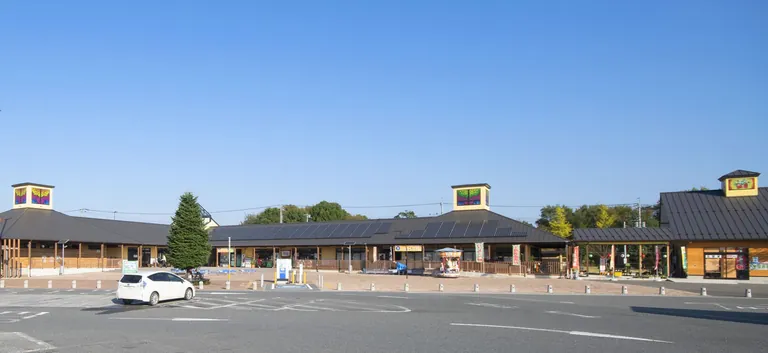
Mibu
1870-2 Kuniya, Mibu Town, Shimotsuga District, Tochigi Prefecture
Discover the Heart of Chiba’s Countryside at Mibu Roadside Station
Mibu became my training ground. The station sits in Tochigi Prefecture's countryside, close enough to Tokyo to feel familiar, far enough to breathe differently. Its free WiFi proved robust enough for video calls—I conducted three client meetings from the café area on my first evening, the laptop perched on a table overlooking the park, with only the occasional curious glance from families grabbing dinner at the restaurant next door.
The key to working from a roadside station is understanding its rhythms. Mornings are quiet—perfect for deep work. I'd wake at 6 AM, before the first commuters arrived, and knock out my most demanding tasks while the parking lot stood silent. The café opens at 9 AM, right when I needed my second coffee. By noon, families would fill the park, their laughter becoming the soundtrack to my afternoon emails.
Mibu taught me my essential setup: laptop stand (a must for ergonomics), noise-canceling headphones (for calls and focus), and power management (I used a portable inverter connected to my car's 12V outlet to keep all devices charged). The park areas became my stretch breaks, the vending machines my afternoon pick-me-up ritual.
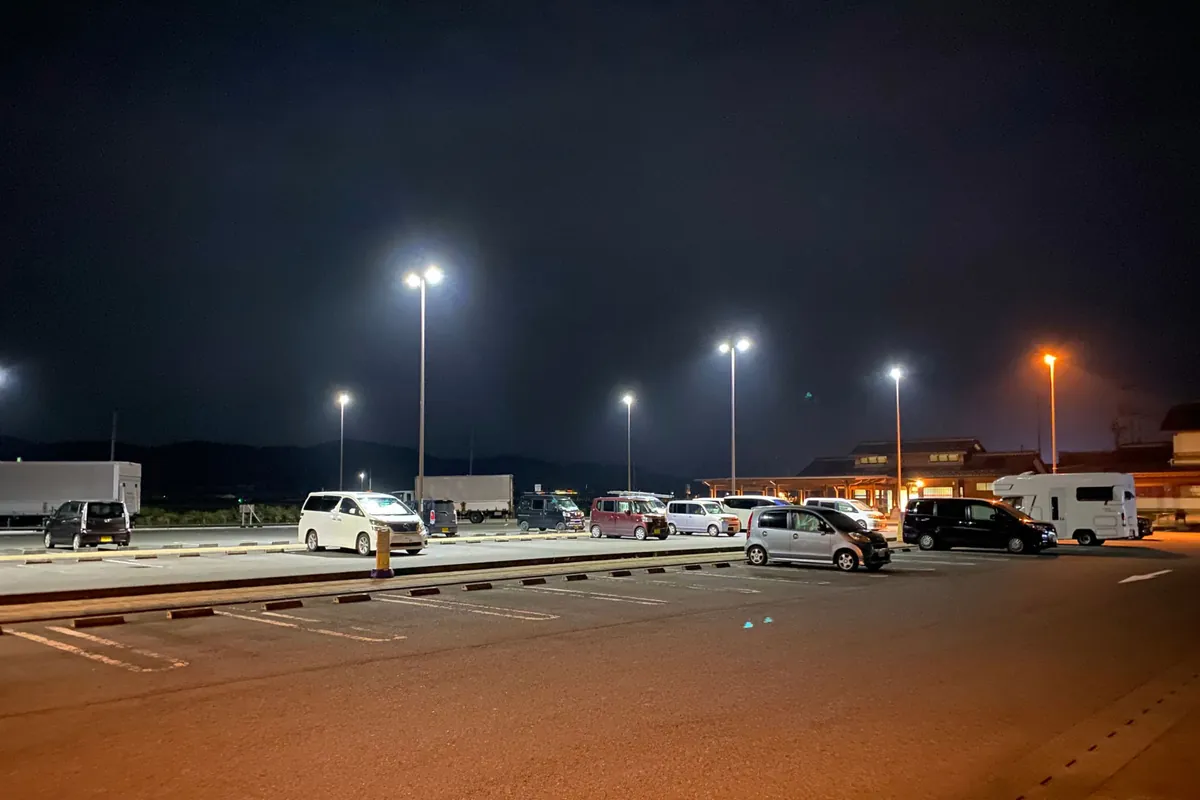
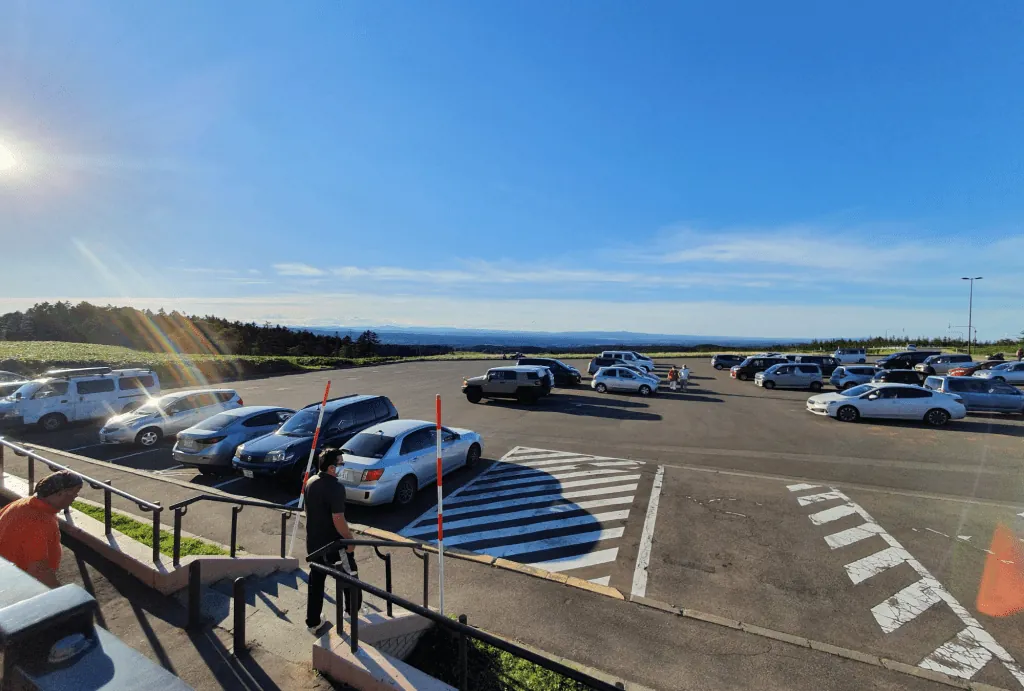
Roadside station parking at dusk with cars and vans
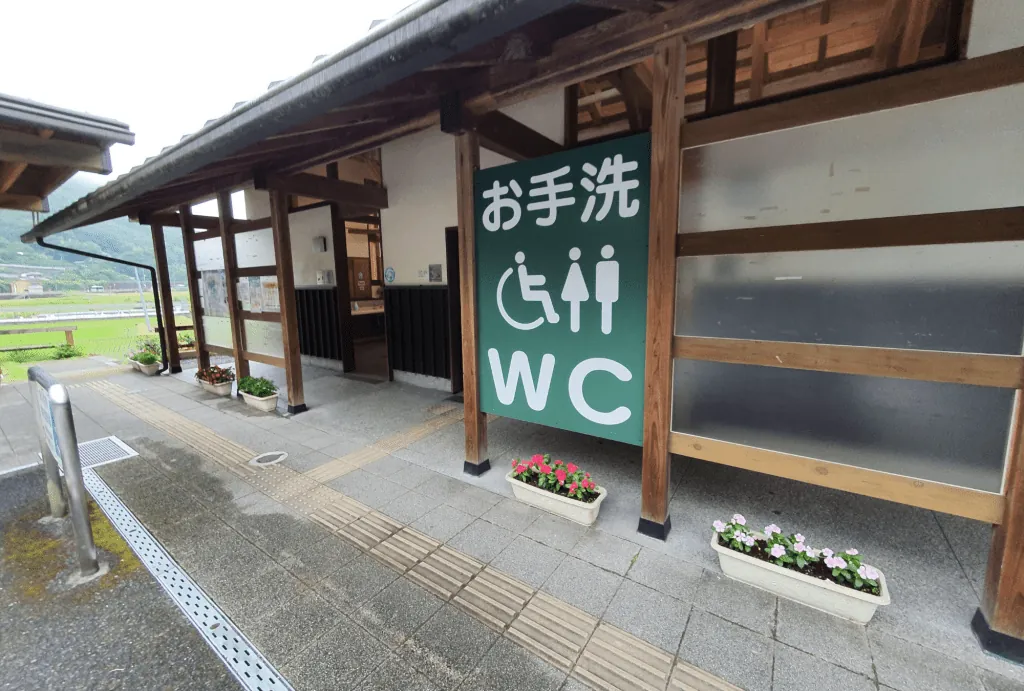
Practical wisdom learned: Arrive between 5-7 PM when day visitors leave but before the overnight crowd settles in. Park near the restrooms but not too close (noise). Use window shades for privacy but don't make it look like a permanent camp—you're a traveler resting, not a resident.
On my first night, an older Japanese man in a white kei-van parked beside me noticed my hesitation. "First time?" he asked in English.
I nodded.
He smiled. "The rules are simple. One night only—never stay in the same place two nights in a row. Leave before the station opens in the morning. No tents, no tables, no cooking outside. Buy something from the shop before you sleep—you're a guest here, not a freeloader. Keep it quiet. Leave no trace."
"And if I don't?" I asked.
His expression turned serious. "Then you ruin it for everyone. These stations tolerate us because we respect the community. One bad camper—someone who treats this like their personal campground—and the whole system could collapse."
The etiquette is simple but sacred: no cooking in the parking lot, no washing dishes in the hand basins, minimal idling (both for the environment and to avoid disturbing others), no tent camping or outdoor furniture, and most importantly, depart by mid-morning. These aren't official campsites, they're rest stops designed for tired drivers to safely sleep a few hours. The tolerance for overnight parking exists because the community self-regulates, and with growing concerns about noise, trash, and unauthorized camping behavior in 2025, following these unwritten rules has never been more critical.
Into Fukushima's Silk Country: Finding Your Daily Routine
Three days into the journey, I rolled into Kawamata, about 150 kilometers north. The landscape had shifted—gone were Tochigi's gentle fields, replaced by Fukushima's forested mountains. Kawamata roadside station sits in the heart of what locals call "silk country," a region where textile traditions stretch back 400 years.
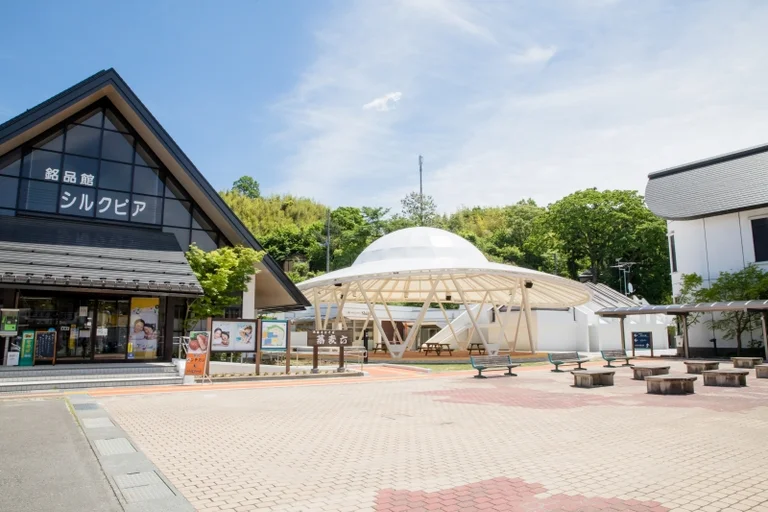
Kawamata
13-1 Azuma, Tsurusawa, Kawamata Town, Date District, Fukushima Prefecture
Discover the Living Legacy of Japan’s Silk Country
This is where I learned that work-life balance on the road isn't about separating the two—it's about weaving them together. Kawamata's Silkpia complex offers hands-on silk weaving workshops. I scheduled my client calls for the morning, then spent my lunch break learning to work a traditional loom under the patient guidance of a 70-year-old artisan whose family had been weavers for seven generations.
"Your hands are too tense," she told me in Japanese, adjusting my grip on the shuttle. "Silk requires patience, not force."
The same principle applies to nomadic work life. Fighting the lifestyle creates friction; flowing with it creates rhythm.
Kawamata became my template for the ideal roadside station workday:
- 6-9 AM: Deep work in the car (quiet, focused, no interruptions)
- 9-11 AM: Video calls and collaborative work from café/rest area (WiFi, professional setting)
- 11 AM-1 PM: Break for cultural experience (workshop, museum, local walk)
- 1-3 PM: Lunch and administrative tasks (emails, scheduling, light work)
- 3-5 PM: Exploration or procurement (local market for fresh produce, sightseeing)
- 5-7 PM: Dinner and evening work if needed
- 7 PM onward: Personal time, reading, early sleep
Kawamata's facilities made it easy to balance work and exploration. While my portable battery bank charged from the car's inverter between work sessions, I'd browse the local products shop, picking up fresh vegetables and handmade soba noodles from nearby farms. These shopping trips became my social life, brief conversations with farmers and artisans offering glimpses into lives very different from my former Tokyo routine.
One vendor, selling Kawamata Shamo chicken, asked what I was doing so far from the city with a laptop and a car full of belongings.
"Working," I said.
"From here?" She looked genuinely confused.
"From anywhere."
She smiled, shaking her head. "The world is changing."
The Consequences of Bad Etiquette
Not everyone understood the unwritten rules. On my fourth night at a different station, I watched a young couple arrive in a rental van around 10 PM. They parked, then immediately set up a portable camping table and chairs in the parking space next to their vehicle. Music played from a Bluetooth speaker. They started cooking on a small gas stove, the smell of frying meat drifting across the lot.
Within twenty minutes, a station security guard appeared. The conversation was brief, apologetic on their part, embarrassed. They packed up everything and drove away into the night, searching for a paid campground that would still accept them.
"First-timers," the kei-van driver from Mibu said the next morning. We'd crossed paths again, a coincidence that felt like fate. "They don't understand that this privilege is fragile. Every year, more stations post 'No Overnight Parking' signs because of people like that."
He gestured to a nearby roadside station map on the wall, several locations marked with red X's. "These used to welcome campers. Not anymore. Too many complaints from locals about noise, trash, people treating public bathrooms like camp kitchens."
I thought about the vendor's words—the world is changing. Yes, but our responsibility was to make sure it changed for the better, not worse. Every meal I bought at a station restaurant, every purchase at the gift shop, every morning I departed quietly before opening—these weren't just personal choices. They were votes for the system's continuation.
Mountain Air and Hot Springs: The Wellness Break in Yamagata
By the time I reached Tendo in Yamagata Prefecture, about 90 kilometers further north, I'd been on the road for ten days. The digital nomad life was exhilarating, but I'd also discovered its hidden cost: the constant compression of living and working in 10 square meters. My neck ached from hunching over the laptop. My legs felt tight from limited movement. I needed more than a parking spot—I needed restoration.
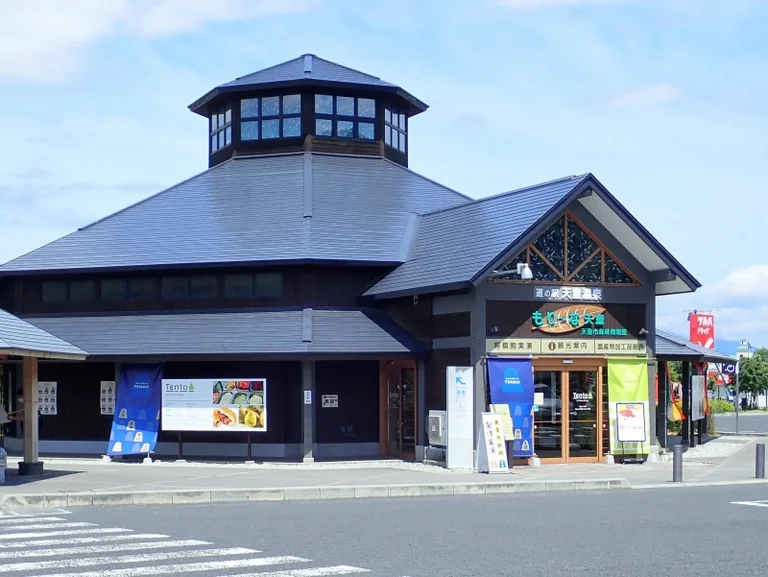
Tendo Onsen
2-chome Kuwa-no-cho, Tendo City, Yamagata Prefecture 3-41
Discover the Heart of Yamagata’s Natural and Cultural Heritage
Tendo Onsen roadside station offers something rare: a hot spring foot bath. Free, outdoors, open to all visitors. I worked from the café in the morning, then spent my lunch break with my feet in mineral-rich water, watching the Zao Mountains emerge from the clouds. It was the most productive break of my entire journey—not in terms of work completed, but in terms of energy restored.
The station exemplifies what makes Japan's roadside network perfect for extended car living. It's not just infrastructure—it's infrastructure with soul. The free WiFi reached even to the outdoor foot bath area. The tourist information center provided multilingual support and recommended hiking trails I could tackle in an afternoon. The market sold La France pears so sweet they tasted like candy, and the local treats included chess piece-shaped sweets honoring Tendo's centuries-old craftsmanship tradition.
I learned about the chess pieces (shogi koma) from a live demonstration by a master craftsman. Each piece is hand-carved from wood and hand-painted with calligraphy, a process requiring years of training. Watching him work—precise, patient, unhurried—reminded me why I'd chosen this lifestyle. Speed isn't the point. Presence is.
Self-care while working remotely from a car requires intentionality. It's easy to let work bleed into every moment, to answer emails at midnight because you're already awake in your "office." Tendo taught me to build rituals: morning stretches before opening the laptop, afternoon foot baths regardless of deadlines, evening walks before dinner.
The seasonal considerations also became apparent in Yamagata. I was traveling in late spring—perfect weather. But the locals warned me about winter, when snow piles meters high and temperatures plunge. "Car camping then?" One shopkeeper laughed. "You'd need a very good sleeping bag."
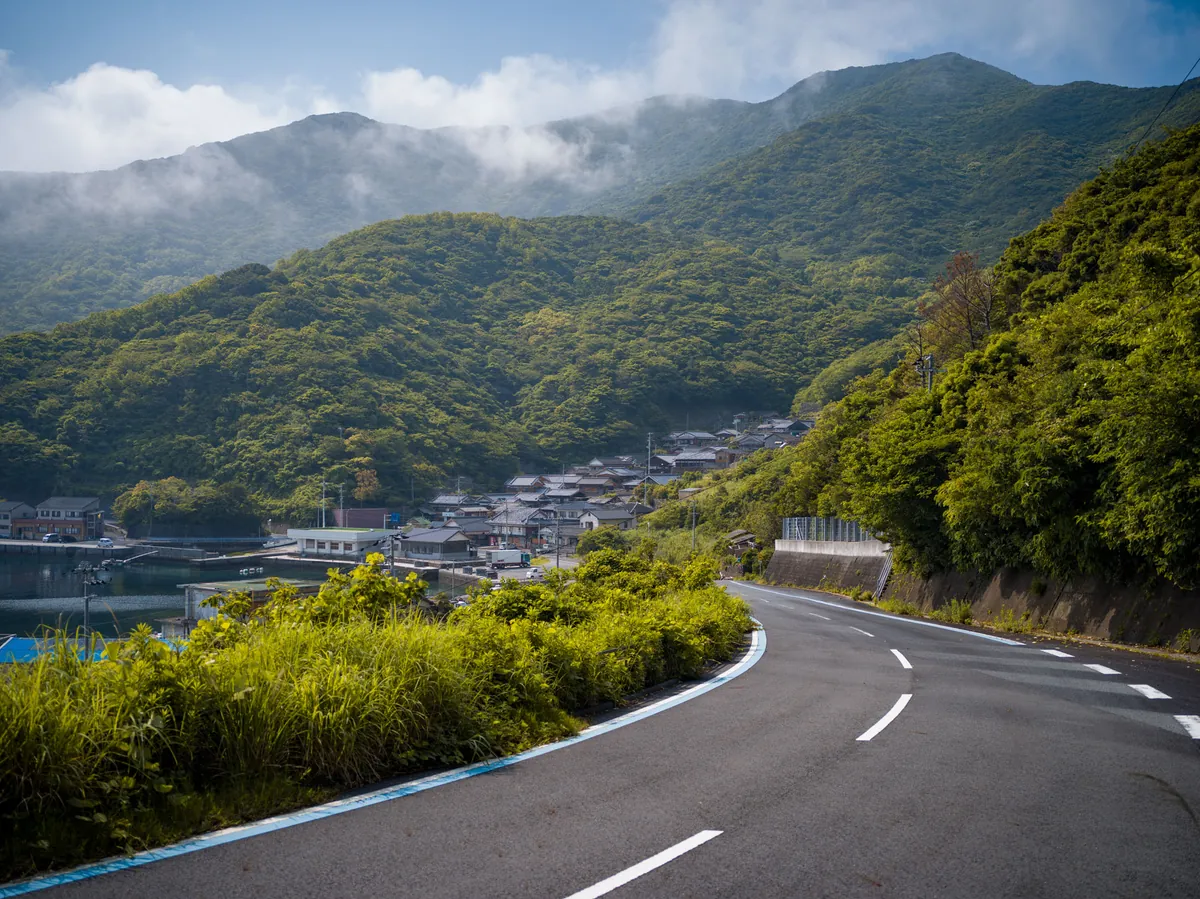
Winding mountain road through rural Japan
I made a mental note: plan the route seasonally. Tohoku in spring and summer, perhaps southern routes in winter.
Deep Into Tohoku: The Northern Milestone in Iwate
Ishitorigaya roadside station in Iwate Prefecture, about 140 kilometers northeast from Tendo, marked my northernmost point. At latitude 39.48°N, I was now further north than Sendai, deep in the Japanese highlands where mountains dominate the horizon and rice fields stretch like green oceans.
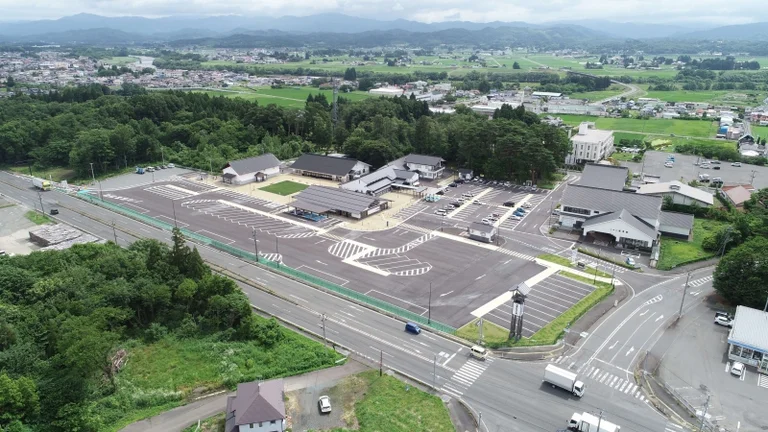
Ishitorigaya
7-17-3 Nakatera Hayashi, Ishitorigaya Town, Hanamaki City, Iwate Prefecture
Discover the Heart of Iwate’s Brewing Heritage
Ishitorigaya celebrates sake. The station's architecture mimics traditional breweries, complete with a 12-meter cedar ball (sugidama) tower—the symbol Japanese sake makers hang outside their shops. Inside the Sake Master Hall, I wandered through exhibits explaining the Southern Toji tradition, where master brewers from this region have supplied their expertise to sake makers across Japan for centuries.
By this point in the journey, I'd found my community. Other car-dwellers and van-lifers congregated at Ishitorigaya, drawn by its reputation for welcoming overnight visitors. I met:
- Kenji, a photographer from Osaka documenting rural Japan, sleeping in a modified kei-truck
- Sarah and Tom, Australian teachers on summer break, touring in a rental campervan
- Yamada-san, a retiree who'd been living full-time in his vehicle for three years, following seasonal work as a handyman
"The key," Yamada-san told me over sake-flavored ice cream from the station's gelato counter, "is to become part of the ecosystem. Buy local products. Eat at the restaurants. Use the facilities respectfully. Then you're not a freeloader—you're a customer."
He paused, searching for the right words. "Japanese people have a concept—meiwaku—avoiding being a burden or inconvenience to others. When you park here overnight, you could be seen as meiwaku if you're not careful. But when you support the local shops, follow the rules, keep quiet—then you become o-kyaku-sama, a valued customer. It's all about balance."
His words crystallized what I'd been learning. Car living in Japan wasn't just about finding free parking—it was about understanding and honoring the cultural context. Every station was someone's community, someone's livelihood. Respecting that made the difference between being tolerated and being welcomed.
I calculated my spending: roughly ¥2,000-3,000 per day on food, coffee, occasional onsen entry fees, and local products. Far less than Tokyo rent and utilities, but enough to contribute meaningfully to each station's local economy. This wasn't sacrifice—it was fair exchange.
Ishitorigaya's point card system epitomized this relationship. Spend ¥1,000, get a stamp. Collect 20 stamps, receive a ¥500 gift card. It's a small gesture, but it signals recognition: you're not invisible, you're valued.
The free WiFi remained excellent, even at my furthest point from Tokyo. I attended virtual meetings with team members who assumed I was in my apartment, never imagining I was parked 500 kilometers north in a lot surrounded by sake breweries and rice paddies. The cognitive dissonance delighted me—my colleagues trapped in their Tokyo routines while I scheduled calls around sunrise hikes and onsen visits.
Essential Tips for Car Living: Lessons Learned on the Road
After three weeks moving between roadside stations, I'd accumulated a practical education in mobile work-life. Here's what I wish I'd known from day one:
Etiquette and Community Rules:
These rules aren't just suggestions—they're the social contract that keeps roadside stations welcoming to overnight travelers. With growing concerns in 2025 about noise, trash, and camping etiquette violations, following these practices is essential:
- One night maximum: Never stay at the same station for consecutive nights—move on each day
- Timing matters: Arrive around closing time (~5-7 PM) when parking quiets down; depart before the station opens (ideally by 9-10 AM)
- No cooking in parking areas: Use station restaurants or eat pre-prepared cold meals in your vehicle
- Never wash dishes in hand basins: Bathrooms are for personal hygiene only—bring wet wipes and disposable items, or wash dishes at paid campgrounds
- Minimize engine idling: Invest in portable battery banks and solar chargers instead of running your engine for power (both eco-friendly and respectful to sleeping neighbors)
- Keep noise low: Quiet hours are 9 PM-7 AM, but be considerate at all times
- No tent camping: Car/van sleeping only—pitching tents, setting up awnings, tables, or BBQ equipment is prohibited
- Leave no trace: Take all trash with you or use designated bins; never leave waste behind
- Support the local economy: Buy food, drinks, or souvenirs from the station before settling in for the night—you're a customer, not a squatter
- Stay discreet: Don't sprawl out across multiple parking spaces or create a "camp" appearance that draws negative attention
- Respect signage: Some stations explicitly prohibit overnight stays—honor these restrictions and move to another location
Work Essentials:
- Portable WiFi as backup: Station WiFi is excellent, but having a 100GB Docomo plan provides security. I used it twice when station networks were overloaded during holidays.
- Power management: Car inverter (150W minimum), portable battery bank (20,000mAh+), solar panel charger (optional but useful). Total investment: ~¥15,000.
- Ergonomic setup: Laptop stand and external keyboard prevent neck strain. Portable lumbar cushion for the driver's seat. Cost: ~¥5,000.
- Noise-canceling headphones: Essential for professional calls in public spaces. I used Sony WH-1000XM4s.
- Cloud storage: Everything critical backed up online. Physical backups stay in Tokyo with family.
Living Essentials:
- Window shades: Privacy and temperature control. Reflective shades also reduce summer heat. Cost: ~¥3,000.
- Portable cooler: Electric cooler (powered by car outlet) keeps perishables fresh. Indispensable. Cost: ~¥8,000.
- Hygiene kit: Wet wipes, dry shampoo, toothbrush and paste, small towel, hand sanitizer, tissues.
- Layered clothing: Even in summer, mountain temperatures drop at night. Fleece jacket and sleeping bag rated for 10°C kept me comfortable.
- Storage organization: Plastic bins for clothes, food, work equipment. Maximizing space is crucial in a sedan.
Legal and Safety:
- Overnight parking: Tolerated but not officially permitted. Respect this gray area by following etiquette strictly. As of July 2025, some Lawson convenience stores offer paid overnight spots as alternatives.
- Emergency contacts: Japan Road Service Association (JAF), local police non-emergency numbers, hospital locations along route.
- Weather monitoring: Download Tenki.jp app for real-time weather, especially important in mountain regions prone to sudden storms.
- Fuel: Never let tank drop below quarter-full in rural areas. Gas stations can be sparse in mountain regions.
Budget Reality Check:
My three-week journey cost approximately ¥120,000 total (~¥5,700/day):
- Food and drinks: ¥3,000/day
- Fuel (regular sedan): ¥2,000/day
- Miscellaneous (onsen, souvenirs, etc.): ¥700/day
Compare this to my former Tokyo life: ¥180,000/month rent + ¥60,000 utilities and food = ¥8,000/day. Car living cost me 30% less than stationary living, while offering infinitely more variety and freedom.
The Return Journey: Flexibility and Freedom
I could have reversed my route, hitting the same stations southbound. Many car-dwellers do exactly that, building relationships with station staff who start to recognize them. "Back again?" the elderly woman at Mibu's farmers market asked when I returned two weeks later. She slipped an extra apple into my bag. "For the road."
But I also experimented with different stations on the return, discovering seasonal variations. Spring brought bamboo shoots and canola flowers. Summer would bring peaches and festivals. Autumn promises foliage and mushroom harvests. Winter demands different planning entirely—fewer mountain stations, more coastal routes, serious cold-weather gear.
The joy of this lifestyle is its flexibility. Bad weather ahead? Extend your stay. Great weather? Drive further. Interesting festival? Change your route. Client emergency? Find the nearest station with excellent WiFi and handle it. The road imposes no schedule except the one you create.
I also learned to balance solitude and connection. Some days I craved the anonymity of a new station where no one knew me. Other days I returned to familiar spots, seeking the comfort of recognition. Both are valuable. Both are available.
Cost comparisons became a running joke among the van-life community. "How much did you spend today?" we'd ask each other at Tendo or Ishitorigaya. The competition wasn't to spend less—it was to spend more wisely. Cheap convenience store meals versus local restaurant specialties. Free parking versus paying for a campground with showers. It's not deprivation, it's intentionality.
Finding Your Own Highway
Three weeks after leaving Tokyo, I sat at Ishitorigaya one final morning, watching the sun burn through the morning fog over the Iwate rice fields. My laptop was open, an article half-finished, but my attention kept drifting to the mountains.
I'd come north seeking a way to merge work with wandering, to test whether freedom and responsibility could coexist in 10 square meters of car interior. The answer, I'd discovered, wasn't simple. Some days were frustrating—dropped WiFi connections, cramped muscles, loneliness at dusk. Other days approached transcendent—finishing a project while overlooking Mount Bandai, soaking tired feet in hot spring water, sharing sake ice cream with fellow travelers under the stars.
The mental clarity of nomadic work life surprised me most. Stripped of possessions, routine, and social obligations, I found focus I'd never achieved in Tokyo. The laptop became a portal to professional responsibility; the windshield became a window to geographic possibility. Between those two frames, I discovered a life that felt, finally, properly sized.
Tohoku's landscapes as office backdrop transformed my relationship with work. I wasn't escaping labor—I was relocating it to a context that made sense. Answering emails while watching dawn light up a volcanic peak felt meaningful in a way answering them from a gray apartment never had.
The community of digital nomads in Japan remains small but growing. We recognize each other by our out-of-prefecture license plates, our laptops in café corners, our practiced ease with roadside station rhythms. We share tips in online forums, leave recommendations in Google Maps reviews, occasionally meet in parking lots and swap stories. It's a tribe without territory, united by movement.
Final practical advice for first-timers:
Start small. Don't commit to three weeks immediately. Try a weekend. Tokyo to Tochigi and back. Two nights. See how you sleep, how you work, how you feel. If it clicks, extend. If it doesn't, no harm done.
Invest in comfort, not luxury. Good sleeping bag, good laptop stand, good headphones. Skip the fancy cooler or elaborate storage systems until you know what you actually need.
Research thoroughly but stay flexible. Have a plan; be ready to abandon it. The best discoveries on my journey were unplanned—a workshop I stumbled into, a mountain trail recommended by a stranger, a festival I'd never heard of.
Respect the ecosystem. You're a guest in these communities, temporary but not invisible. Buy local, follow etiquette, leave no trace. The tolerance for car living depends entirely on travelers proving they're responsible. Remember: one night maximum at each station, depart before opening, no camping equipment, support the shops, and above all—don't be meiwaku (a burden). Be o-kyaku-sama (a valued customer). The difference determines whether this freedom exists for future travelers.
And finally: try it yourself. The road north from Tokyo isn't mythical—it's asphalt and rest stops and WiFi signals and onsen steam. It's available to anyone with a car, a laptop, and the courage to trade certainty for possibility. But with that freedom comes responsibility—to the communities that host you, to the ecosystem that supports you, and to the travelers who will follow in your tire tracks.
I'm writing this from Kawamata again, three months after my first visit. The silk workshop instructor remembered me. "Back for more?" she asked.
"Always," I said.
She smiled and handed me the shuttle. My hands were less tense this time. Patience, not force. The silk shimmered as I worked the loom, sunlight streaming through the window, my laptop waiting in the car for this afternoon's meetings.
This is my office now. This is my life. And the highway keeps calling, north and south, with a thousand stations I haven't visited yet.
The road is waiting. Will you answer?
Featured Stations: In-Depth Highlights
Of the 4 stations on this route, we've highlighted 4 exceptional stops that truly embody the region's unique character. Each offers unique experiences worth making time for.
Mibu
1870-2 Kuniya, Mibu Town, Shimotsuga District, Tochigi Prefecture
Discover the Heart of Chiba’s Countryside at Mibu Roadside Station
Kawamata
13-1 Azuma, Tsurusawa, Kawamata Town, Date District, Fukushima Prefecture
Discover the Living Legacy of Japan’s Silk Country
Tendo Onsen
2-chome Kuwa-no-cho, Tendo City, Yamagata Prefecture 3-41
Discover the Heart of Yamagata’s Natural and Cultural Heritage
Ishitorigaya
7-17-3 Nakatera Hayashi, Ishitorigaya Town, Hanamaki City, Iwate Prefecture
Discover the Heart of Iwate’s Brewing Heritage
Jessica Muller
European travel writer based in Japan for the past four years. Explores rural communities and regional culture across the country, bringing authentic stories of local life to Western readers.