
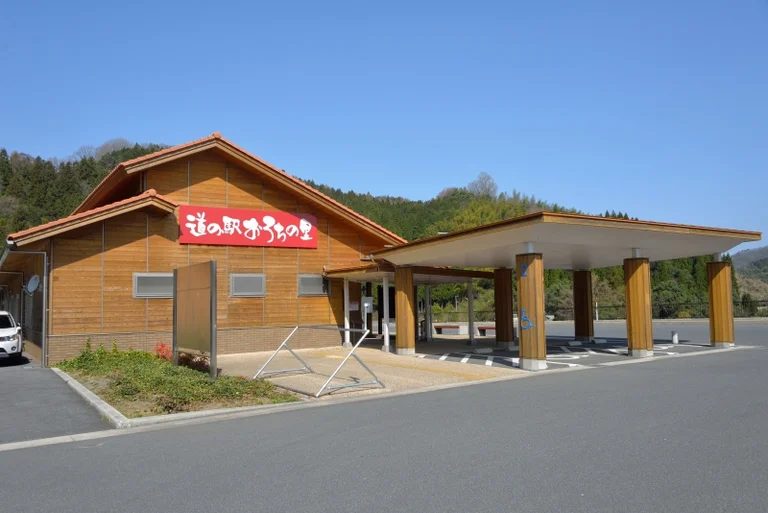
Discover the Spirit of Rural Japan at Orochi no Sato
Nestled in the heart of Minamiboso, Orochi no Sato is a roadside station where nature, culture, and community converge. Set amid rolling farmland and ancient forests, it offers travelers a peaceful retreat rich in local heritage and authentic experiences. More than a stopover, it’s a gateway to the soul of rural Japan, blending tradition with modern hospitality.
What sets Orochi no Sato apart is its deep connection to regional folklore and seasonal craftsmanship. Visitors can explore rotating exhibitions of award-winning photography from the Dream Road Renaissance Contest, celebrate local artistry, and savor farm-fresh produce and handcrafted goods. With thoughtfully designed spaces for rest, reflection, and discovery, it’s a destination that invites you to slow down and truly connect with the land.
Why Visit
Orochi no Sato stands out as the only roadside station in the region featuring an on-site artisanal cheese cellar, where visitors can sample aged Gouda made from local pasture-fed cows. Its signature offering is the seasonal black garlic miso ramen, crafted with wild mountain herbs from the surrounding Orochi Forest. The station also hosts rotating exhibitions of award-winning photographs from the Dream Road Renaissance Contest, displayed in a purpose-built gallery space—making it a cultural destination unlike any other roadside stop.
Insider Tips
Unlock local secrets and smart travel insights for a richer visit to Orochi no Sato roadside station.
- Best Arrival Time: Arrive by 10:00 AM on weekends to secure a spot at the bakery counter where fresh milk bread is sold daily and often sells out by 11:00 AM
- Hidden Gems: Visit the deli counter near the entrance to find the seasonal "Orochi Sato Special" pickled vegetables, available only during spring and summer months
- Weekend Special: On Saturdays and Sundays, the local craft workshop hosts live demonstrations of traditional pottery making between 11:00 AM and 1:00 PM—arrive early to get a close view
- Photo Opportunity: The main courtyard features a large stone sculpture of a mythical serpent, best photographed between 2:00 PM and 4:00 PM when sunlight highlights the carvings
- Local Product Must-Try: Purchase the "Orochi no Sato" brand wild berry jam at the souvenir shop—it is made exclusively from foraged berries collected in nearby forests and is only available during August and September
- Parking Tip: Use the east-side parking area, which is designated for visitors attending the seasonal art exhibitions displayed in the cultural hall
- Event Alert: Check the bulletin board near the ticket counter for announcements about the "Dream Road Renaissance Photo Contest" exhibit, which rotates monthly and features regional photography from across the Chūgoku region
Best Time to Visit
Spring (March–May): Canola flowers bloom in late March to April, and fresh bamboo shoots are available at the market.
Summer (June–August): Local harvests peak with seasonal vegetables and fruits at roadside stalls.
Autumn (September–November): Chestnuts and persimmons are harvested and sold at the roadside station.
Winter (December–February): Seasonal hot dishes and local sake are featured, with winter lighting displays.
Ratings
Family-Friendly Review
Orochi no Sato offers a play area for children, stroller-friendly paths, and family-friendly food options. Interactive cultural exhibits enhance educational value, and safety features include secure parking and accessible facilities.
Food Lover Review
The roadside station features diverse local cuisine, including fresh regional specialties and high-quality artisanal products. The farmers market offers seasonal produce, and dining options provide a genuine culinary experience.
Car Camping Review
Orochi no Sato provides clean restrooms, vending machines, and designated parking. While quiet during evenings, overnight stays are not officially permitted, limiting comfort for extended car camping.
Scenic Beauty Review
The roadside station boasts scenic views of natural landscapes with well-maintained pathways and photo spots. Seasonal changes enhance visual appeal, and the overall atmosphere reflects harmonious integration with nature.